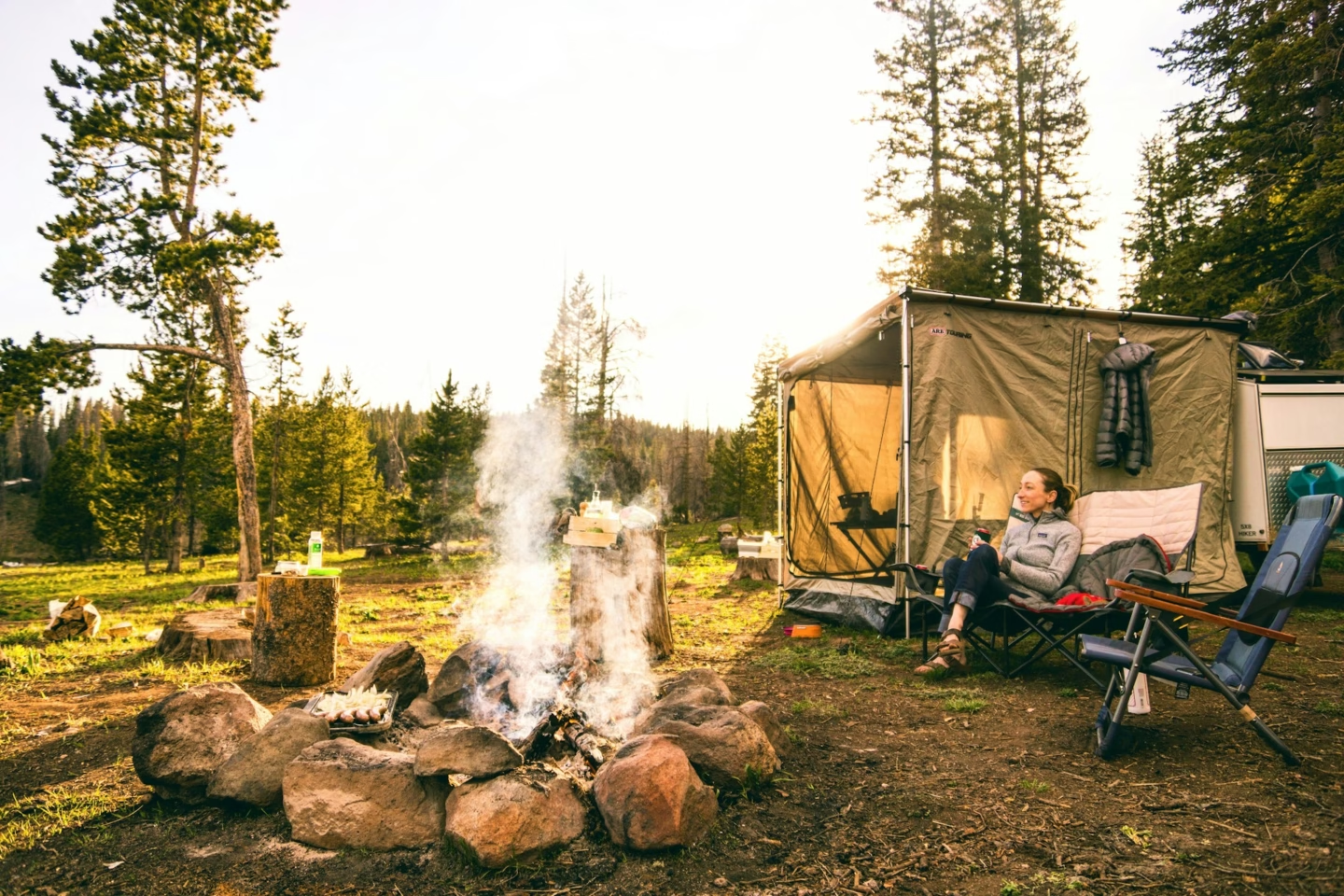


When you're miles away from civilization with nothing but your tent and the stars above, the last thing you want is an emergency. Yet the wilderness can be unpredictable, and even experienced campers face unexpected challenges. From sudden weather changes to wildlife encounters, knowing how to respond when things go wrong can mean the difference between a minor inconvenience and a serious situation.
The good news? Most camping emergencies are preventable with proper preparation and knowledge. This guide will walk you through practical camping safety tips, the gear you need, and how to handle specific emergencies when they occur.
Why Camping Safety Should Be a Priority
Camper's Pick
Best for being genuinely prepared when things go wrong
Wilderness emergencies are rare but real. A satellite communicator, a comprehensive first aid kit, and a fire-starting kit are the three safety items that matter most when you're far from cell service.
- Oakley Shop safety gear at Oakley
- Mountain Hardwear Shop safety gear at Mountain Hardwear
- Columbia Sportswear Shop safety gear at Columbia Sportswear
- Sorel Shop safety gear at Sorel
- Garmin Shop safety gear at Garmin
Many people underestimate the risks that come with spending time in remote areas. Cell service is often nonexistent, help can be hours away, and nature doesn't care if you're prepared or not. A twisted ankle on a trail, a sudden thunderstorm, or an unexpected encounter with wildlife can quickly turn a relaxing trip into a dangerous situation.
The reality is that most camping accidents happen because people skip basic safety precautions. They don't tell anyone where they're going, they pack inadequately, or they simply don't know what to do when something goes wrong. Understanding camping safety isn't about being paranoid—it's about being smart and prepared.
Essential Camping Safety Tips for Preventing Emergencies
Pre-Trip Preparation
Before you even load your car, take time to research your destination thoroughly. Check weather forecasts, understand the terrain, and know what wildlife you might encounter. Always tell someone your exact plans, including where you're camping and when you expect to return. If you don't check in by your planned time, they'll know to alert authorities.
Study maps of the area and identify the nearest ranger stations or emergency services. Download offline maps to your phone since you won't have internet access. Check if your campsite requires permits and familiarize yourself with local regulations and fire restrictions.
Navigating the Wilderness Safely
Stick to marked trails whenever possible. It's easy to get disoriented in the woods, especially in dense forests or areas with similar-looking terrain. Carry a compass and a physical map—don't rely solely on your phone, which can die or break. Learn basic navigation skills before your trip.
Pay attention to trail markers and natural landmarks. Take mental notes of distinctive features along your route so you can find your way back. If you're hiking, turn around periodically to see what the trail looks like from the opposite direction.
Wildlife Safety
Different animals require different responses. Research the wildlife in your camping area and understand proper food storage methods. In bear country, use bear canisters or hang your food properly. Never approach or feed wild animals, no matter how harmless they seem.
Keep a clean camp by storing all scented items (including toiletries) away from your sleeping area. If you encounter wildlife, stay calm, make yourself appear larger, and back away slowly. Never run from predators, as this can trigger a chase response.
Camping Safety Equipment Every Camper Should Have
Quick overview





Basic Safety Gear
Your camping safety equipment should include these essentials:
- First aid kit: Bandages, gauze, medical tape, antiseptic wipes, pain relievers, tweezers, antihistamines, and any personal medications you need
- Water supplies: Extra water plus purification methods like tablets or a filter to prevent dehydration
- Emergency food: Non-cooking options like energy bars, nuts, and dried fruit that won't spoil
- Extra clothing: Dry layers in waterproof bags to combat hypothermia
- Emergency shelter: Bivy sack or emergency blanket as backup protection
- Lighting: Headlamp with extra batteries to keep your hands free
These items form the foundation of wilderness preparedness and can help you handle the most common emergencies.
Fire Safety Equipment
Carry waterproof matches, a lighter, and a fire starter as backup. A small camping shovel helps contain fires and is useful for other tasks. Always keep water nearby when you have a fire going, and never leave fires unattended.
Communication and Signaling Tools
A fully charged phone in a waterproof case is your first line of communication, but don't count on having service. Consider bringing a portable charger or solar charging device. A whistle carries much farther than your voice and requires less energy—three short blasts are the universal distress signal.
A mirror or reflective surface can signal aircraft or distant rescuers. Bright clothing or a brightly colored tarp increases your visibility if you need to be found.
Navigation and Shelter Gear
Beyond your tent, pack an emergency shelter like a bivy sack or emergency blanket. These lightweight items can save your life if you get stuck overnight unexpectedly. A headlamp with extra batteries keeps your hands free, which matters more than you'd think in an emergency.
Your multi-tool or knife serves countless purposes in survival situations. A length of paracord is surprisingly useful for everything from securing shelters to improvising gear repairs.
How to Handle Specific Emergency Situations in the Wilderness
Dealing with Injury or Illness
For minor injuries, clean wounds thoroughly with purified water and apply an antiseptic. Cover with clean bandages and monitor for signs of infection. For sprains, remember RICE: Rest, Ice (or cold water), Compression, and Elevation.
Serious injuries require immediate action. Stop any bleeding by applying direct pressure. Stabilize broken bones before moving the person. If someone shows signs of hypothermia (shivering, confusion, slurred speech), get them dry and warm immediately. Remove wet clothing, wrap them in dry layers, and give warm fluids if they're conscious.
Heat exhaustion and heatstroke are equally dangerous. Move the person to shade, remove excess clothing, and cool them with water. Have them sip water slowly if they're alert.
What to Do If You Get Lost
Stop moving as soon as you realize you're lost. Wandering aimlessly only makes things worse. Follow these steps:
- Stop: Sit down and stay calm. Panicking wastes energy and leads to poor decisions.
- Think: Retrace your mental map. When did you last know where you were?
- Observe: Look around for landmarks, water sources, or signs of trails. Listen for sounds of civilization.
- Plan: Decide whether to stay put or attempt to find your way back to a known location.
Stay where you are if you're injured or night is falling. If you decide to move, try to retrace your steps to the last landmark you recognize. If that's not possible, look for water sources—streams often lead to civilization. Make yourself visible by staying in clearings and using bright materials. Create large SOS signals on the ground using rocks or branches.
Conserve your energy and resources. Stay hydrated and protect yourself from the elements. Three of anything (three fires, three whistle blasts, three piles of rocks) is recognized as a distress signal.
Handling Extreme Weather Events
If thunderstorms approach, seek shelter immediately, but avoid tall trees that could attract lightning. Get to lower ground and crouch on your backpack or sleeping pad to insulate yourself from the ground. Stay away from water and metal objects.
In flash flood conditions, move to higher ground quickly. Never try to cross flowing water that's above your ankles. If you're caught in extreme cold, focus on staying dry and creating insulation between you and the ground.
Staying Calm and Making Clear Decisions in Emergency Situations
The Importance of Staying Calm
Panic burns energy and clouds judgment. When an emergency happens, take a moment to breathe deeply and assess the situation. Fear is natural, but controlled fear is useful—it sharpens your focus and motivates action.
Remind yourself that most survival situations are resolved within 72 hours. You have time to think through your options. Make a plan, even if it's simple, and work through it step by step.
Effective Communication in Emergencies
If you're with others, assign clear roles. One person tends to injuries, another gathers supplies, and someone else signals for help. Clear communication prevents confusion and wasted effort.
If you're alone, talk yourself through the situation out loud. It sounds odd, but verbalizing your plan helps you think more clearly and catches obvious mistakes before you make them.
Creating an Emergency Plan
Before any trip, discuss "what if" scenarios with your camping group. What will you do if someone gets hurt? How will you reunite if you get separated? Where will you meet if you need to evacuate?
Agree on specific safety guidelines for camping that everyone will follow. Set check-in times when everyone reports back to camp. Establish hand signals or whistle codes for common messages. The time to make these decisions is before you need them, not during a crisis.
Preparing for the Unexpected
Camping safety doesn't mean eliminating all risk—that would mean staying home. It means understanding the risks, preparing properly, and knowing how to respond when things don't go according to plan. The camping safety tips covered here give you a foundation for handling wilderness emergencies confidently.
Remember that most camping trips go smoothly. You'll likely never face a serious emergency. But having the right camping safety equipment, knowledge, and mindset means you're ready if you do. That preparedness lets you actually relax and enjoy nature instead of worrying about worst-case scenarios.