

Camping offers year-round opportunities to connect with nature, and each season brings distinct rewards. Summer provides warm evenings around campfires, fall delivers spectacular foliage displays, winter creates pristine snow-covered solitude, and spring awakens landscapes with wildflowers and wildlife activity.
The best places for camping trips change dramatically with seasons—destinations perfect for summer might be inaccessible in winter, while locations that suffer from summer crowds become peaceful retreats during shoulder seasons. Understanding which destinations shine during specific times of year helps you plan trips that maximize enjoyment while avoiding unfavorable conditions that would undermine your experience.
Why Seasonal Camping is an Unmatched Experience
Camper's Pick
Best for being ready wherever the season takes you
The best camping destinations change with the seasons — and so does the gear you need. The camping & hiking collection below is organized by season and activity type, making it easy to prep for a spring creek camp, a summer alpine trip, or a fall foliage basecamp.
- Oakley Shop season-ready camping gear at Oakley
- Mountain Hardwear Shop season-ready camping gear at Mountain Hardwear
- Columbia Sportswear Shop season-ready camping gear at Columbia Sportswear
- Sorel Shop season-ready camping gear at Sorel
- Garmin Shop season-ready camping gear at Garmin
The Joy of Camping in Every Season
Each season offers unique camping experiences impossible to replicate at other times. Summer camping allows swimming in lakes, extended daylight for activities, and warm nights under stars. Fall camping provides comfortable temperatures, fewer insects, and stunning autumn colors, transforming forests into displays of red, orange, and gold.
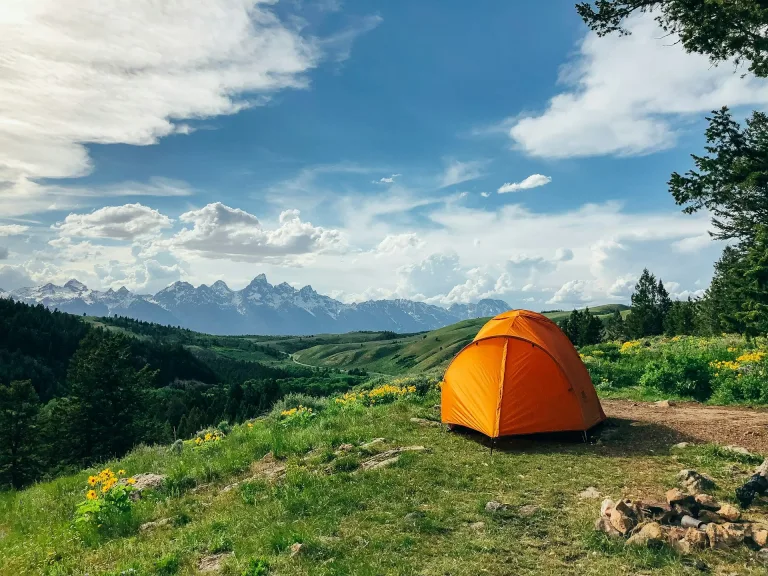
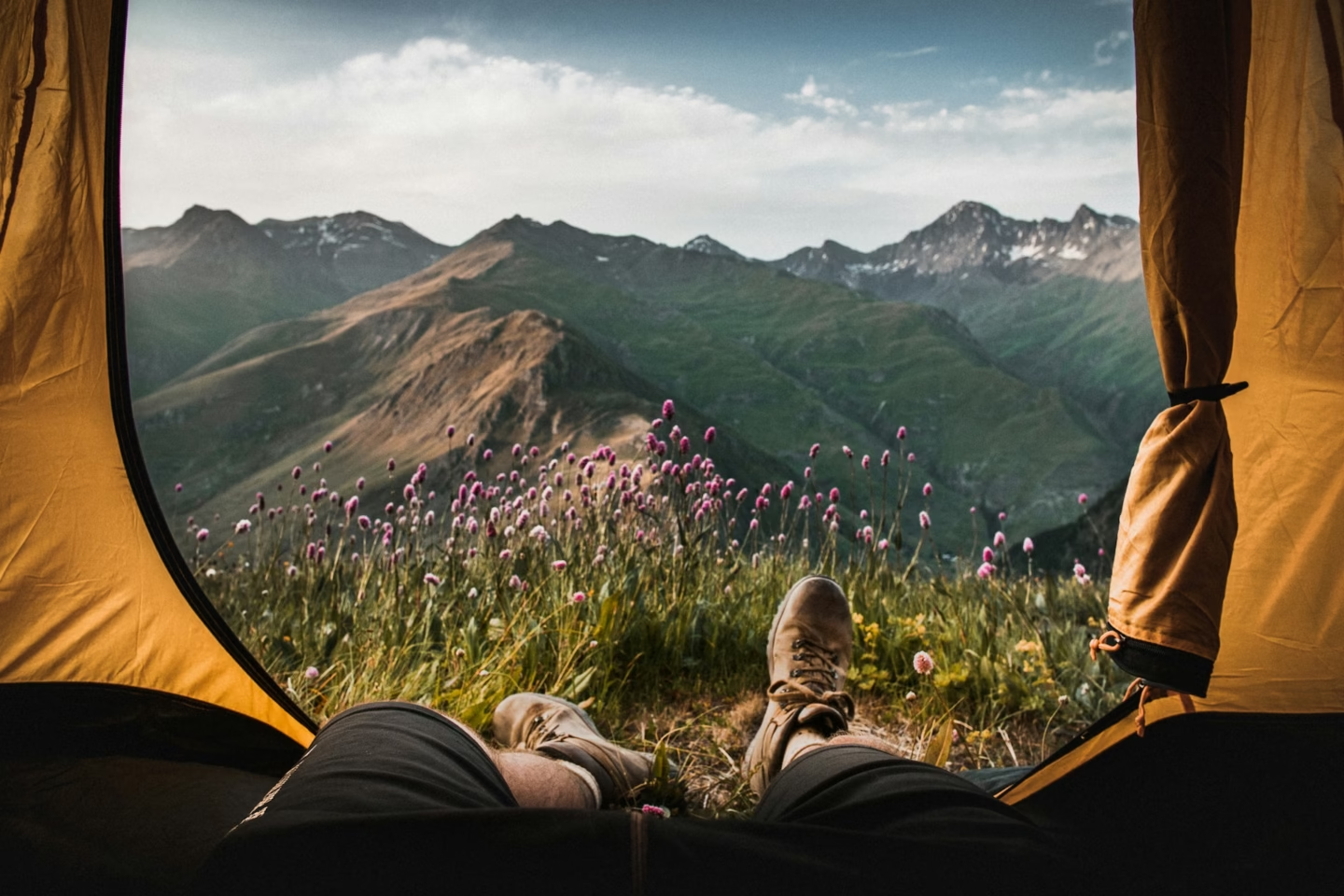
Winter camping, while challenging, rewards prepared campers with solitude in empty campgrounds, pristine snow-covered scenery, and wildlife tracking opportunities through fresh snow. Spring camping features migrating birds, blooming wildflowers, rushing waterfalls from snowmelt, and moderate temperatures perfect for hiking.
Choosing the Right Destination Based on Season
Not all campgrounds operate year-round. Many close during winter due to snow making roads impassable or because facilities freeze. Research operational seasons before planning trips to avoid arriving at closed campgrounds.
Weather patterns vary regionally—destinations comfortable in one season might be miserable in another. Desert camping works well during winter when temperatures moderate, but summer heat becomes dangerous. Mountain camping excels during summer but requires specialized gear and skills during winter.
Understanding seasonal characteristics of potential destinations helps you select the best places for camping trips that align with your preferences, skills, and available gear.
Best Places for Summer Camping Trips
National Parks and Forests
Yellowstone National Park offers iconic scenery, abundant wildlife, and extensive campground options. Reservations fill months in advance for peak summer, so book early. Yosemite National Park provides dramatic granite cliffs, waterfalls, and valleys perfect for summer exploration, though crowds are substantial.
Acadia National Park on Maine's coast combines mountain and ocean camping with moderate summer temperatures and beautiful coastal scenery. Olympic National Park features diverse ecosystems from rainforests to alpine meadows, all accessible during the summer months.
Lakeside Destinations
Lake Tahoe, straddling California and Nevada, offers crystal-clear waters, mountain scenery, and numerous campgrounds supporting swimming, boating, and hiking. Crater Lake National Park provides stunning volcanic lake views with excellent camping facilities around the rim.
The Boundary Waters Canoe Area Wilderness in Minnesota delivers remote camping accessible by canoe, combining paddling with pristine wilderness camping free from crowds found at more accessible destinations.
Best Places for Fall Camping Trips
Foliage Destinations
Great Smoky Mountains National Park becomes particularly spectacular during the fall when hardwood forests explode in autumn colors. Campgrounds remain open through October, and reduced crowds make this an ideal season for visiting America's most-visited national park.
Shenandoah National Park, along Virginia's Blue Ridge Mountains, provides stunning fall foliage views from Skyline Drive with numerous campgrounds offering access to hiking trails through colorful forests.
Southwestern Desert Camping
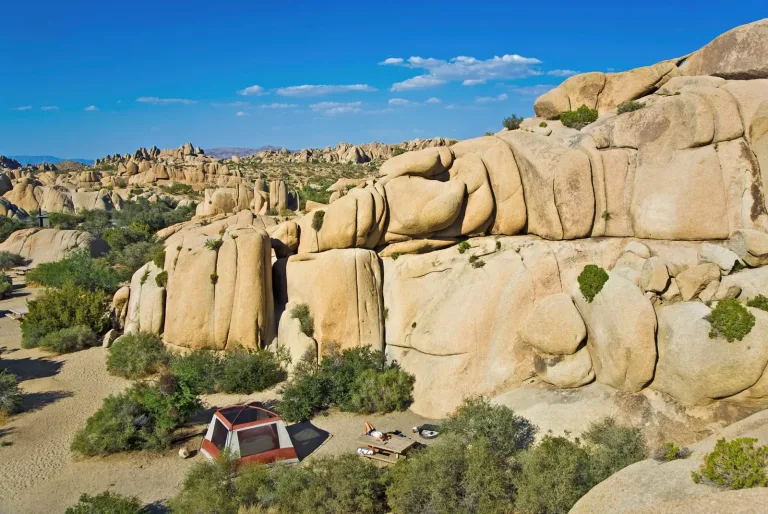
Joshua Tree National Park in California's Mojave Desert offers comfortable fall temperatures after brutal summer heat. Unique Joshua trees and rock formations create distinctive scenery perfect for photography and climbing.
Big Bend National Park in Texas provides remote desert camping with fall temperatures making hiking comfortable. This isolated park offers dark skies perfect for stargazing without light pollution.
Best Places for Winter Camping Trips
Southern Destinations
Everglades National Park in Florida offers mild winter weather when summer's heat and insects make camping unpleasant. Winter provides ideal conditions for paddling, wildlife observation, and exploring this unique ecosystem.
Death Valley National Park, while extreme in summer, becomes accessible during winter when temperatures moderate. This lowest point in North America offers surreal desert landscapes best experienced in cooler months.
Snow Camping Locations
Rocky Mountain National Park in Colorado provides winter camping for prepared campers willing to tackle snow and cold. Cross-country skiing and snowshoeing replace summer hiking, offering different perspectives on familiar trails.
Yosemite remains partially open during winter, offering dramatically different experiences as waterfalls freeze and snowfall transforms familiar valleys into winter wonderlands.
Quick overview





Best Places for Spring Camping Trips
Wildflower Destinations
Anza-Borrego Desert State Park in California explodes with wildflowers during spring following wet winters. Desert blooms create carpets of color across landscapes that are barren during other seasons.
Great Basin National Park in Nevada offers spring camping with moderate temperatures and opportunities to see ancient bristlecone pines as snow melts from higher elevations.
Waterfall and River Camping
Yosemite waterfalls reach peak flow during spring as snowmelt feeds them. Camping during April and May provides dramatic waterfall displays impossible to see during drier months.
Grand Canyon National Park becomes particularly appealing during spring when temperatures moderate and the Colorado River flows strongly with snowmelt from the Rocky Mountains.
Camping with Special Considerations: Best Camping Places for Families
Top Family-Friendly Campgrounds
When identifying the best camping places for families, prioritize campgrounds with amenities that support children's needs. Clean bathroom facilities, nearby activities, and campgrounds designed for family camping make trips more enjoyable for everyone.
Campgrounds with Activities for All Ages
Jellystone Park campgrounds across the United States provide family-oriented camping with activities, playgrounds, and entertainment specifically designed for children. These commercial campgrounds sacrifice wilderness solitude for convenience and kid-friendly amenities.
KOA (Kampgrounds of America) locations offer family-friendly facilities, pools, playgrounds, and organized activities that keep children engaged. While less wild than national park camping, these campgrounds work well for families new to camping.
Camping Safety Tips for Families
Teach children basic camping safety—staying near adults, fire safety, wildlife precautions, and what to do if separated from parents. Practice these lessons before trips so children understand expectations.
Bring first aid supplies and know the locations of the nearest medical facilities. Children experience more minor injuries during camping due to unfamiliar environments and increased physical activity.
How to Choose the Best Camping Place for Your Experience
Identifying Your Camping Preferences
Consider what you value most in camping experiences. Do you prioritize solitude or appreciate campgrounds with other families nearby? Do you want primitive camping requiring self-sufficiency, or do you prefer developed campgrounds with bathrooms and showers?
The activities available matter significantly. If hiking is your primary interest, choose destinations with extensive trail networks. Water enthusiasts should select lakeside or riverside campgrounds. Photography enthusiasts might prioritize scenic vistas and sunrise/sunset locations.
Gear and Preparation for Different Seasons
Understanding what the best places to go for camping require equipment-wise helps you pack appropriately. Summer camping demands different gear than winter trips. Seasonal preparation prevents arriving unprepared for conditions you'll encounter.
Summer gear focuses on sun protection, insect repellent, and cooling strategies. Fall camping requires warmer sleeping bags and rain gear as the weather becomes less predictable. Winter camping demands specialized cold-weather equipment, including four-season tents, sub-zero sleeping bags, and insulated sleeping pads. Spring camping needs rain protection and layers addressing variable temperatures.
Researching Campgrounds and Activities
Read recent reviews from other campers about specific campgrounds before booking. Reviews reveal current conditions, highlight potential issues, and provide insights that marketing materials omit.
Verify reservation requirements and book early for popular destinations during peak seasons. The best places for camping fill months in advance for summer weekends and holidays.
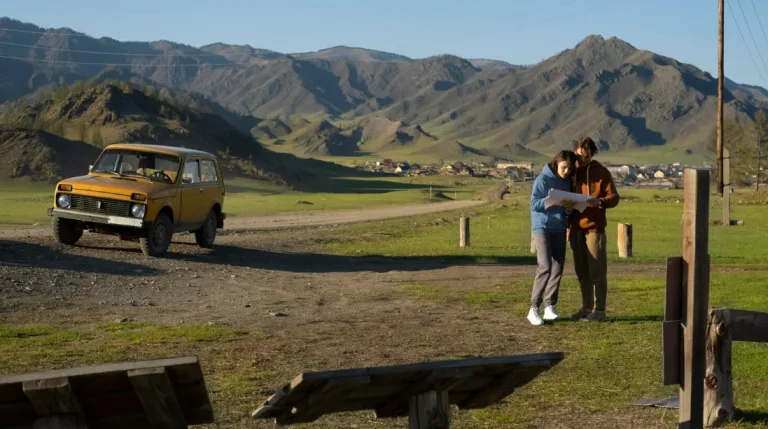
Research activities available near campgrounds. Are hiking trails maintained? Do lakes allow swimming? Are there ranger programs or guided activities? Understanding options helps you plan daily activities that make trips memorable.
Planning Your Seasonal Camping Trips
When selecting from the best places for camping trips in any season, consider these factors:
- Operating seasons for campgrounds and access roads
- Typical weather conditions and temperature ranges
- Crowd levels during your planned travel dates
- Available activities matching your interests
- Facilities and amenities appropriate for your group
- Distance from home and driving time required
- Permit or reservation requirements
- Costs, including entrance fees and camping fees
- Cell phone coverage and emergency services access
- Wildlife considerations require special food storage
Making the Most of Every Season
The best places for camping exist throughout the year across diverse climates and landscapes. Summer's traditional camping season offers comfortable conditions and maximum facility availability, but shoulder seasons provide advantages, including smaller crowds, dramatic seasonal changes, and often better weather for outdoor activities.
Winter camping, while demanding specialized skills and gear, rewards prepared campers with experiences impossible during other seasons. The best places for camping trips transform dramatically with seasons—destinations you've visited in summer become entirely new experiences under winter snow or surrounded by fall foliage.