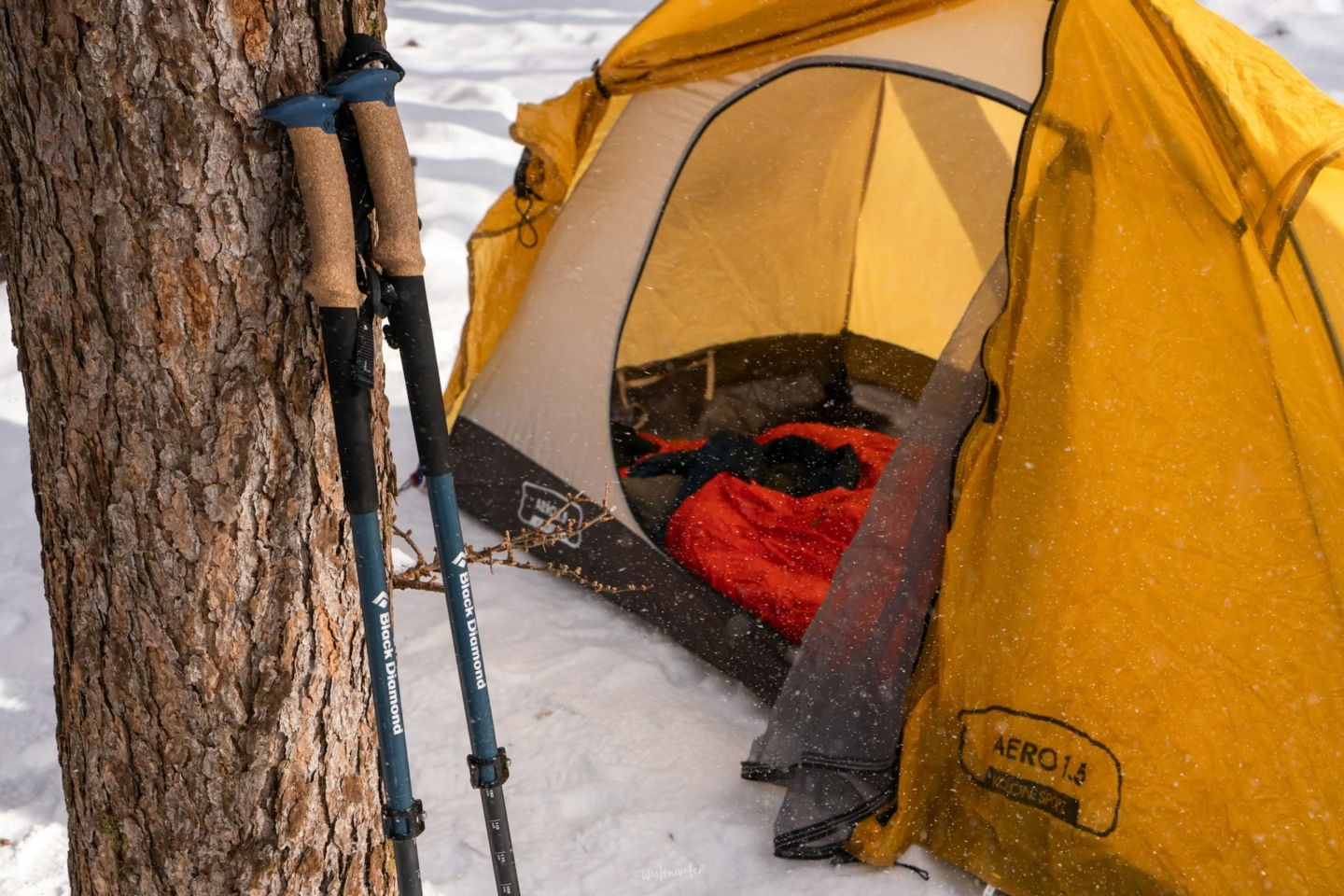


Cold weather camping offers unique rewards—pristine snow-covered scenery, peaceful solitude, and the satisfaction of thriving in challenging conditions. However, winter camping demands specialized equipment that protects you from harsh elements while maintaining comfort and safety. The gear that works perfectly during summer trips often fails catastrophically when temperatures drop below freezing.
Understanding how to choose cold weather camping gear appropriate for your specific conditions, experience level, and planned activities makes the difference between memorable winter adventures and dangerous, miserable experiences. This guide helps you select equipment that keeps you warm, dry, and safe while exploring winter wilderness.
Key Considerations When Choosing Cold Weather Camping Gear
Winter Camper's Pick
Best for choosing gear that performs when temperatures drop
Cold weather camping gear isn't just heavier versions of three-season gear — it's a different category entirely. Below is a winter camping section that covers four-season tents, expedition sleeping bags, and high-R-value pads with detailed technical specs to help you buy right the first time.
- Oakley Shop cold-weather camping gear at Oakley
- Mountain Hardwear Shop cold-weather camping gear at Mountain Hardwear
- Columbia Sportswear Shop cold-weather camping gear at Columbia Sportswear
- Sorel Shop cold-weather camping gear at Sorel
- Garmin Shop cold-weather camping gear at Garmin
Temperature Rating and Weather Conditions
Understanding temperature ratings helps you select appropriate cold weather camping gear for your planned destinations. Sleeping bags display temperature ratings indicating the coldest conditions where they'll keep average sleepers warm. Choose bags rated at least 10-15 degrees Fahrenheit colder than expected nighttime lows to provide safety margins for unexpected temperature drops or if you sleep cold.
Weather conditions beyond temperature affect gear requirements. Wet snow and rain demand waterproof equipment and moisture-resistant insulation. Dry, extreme cold requires maximum insulation values. High winds necessitate wind-resistant fabrics and sturdy tent designs. Research typical conditions for your destination and season before selecting gear.
Durability and Performance
Winter conditions stress equipment far beyond summer use. Strong winds test the tent pole strength and fabric integrity. Ice and snow abrade materials. Repeated freezing and thawing cycles degrade some fabrics and coatings. Camping cold weather gear must withstand these stresses reliably.
Examine construction quality carefully when evaluating equipment. Reinforced stitching, robust zippers with cold-weather lubricants, and quality materials indicate gear built for serious winter use. Budget equipment using minimal materials and construction often fails when you need it most.
Weight and Portability
Weight matters significantly if you're backpacking to winter campsites. Cold weather camping gear typically weighs more than summer equivalents due to heavier insulation, stronger materials, and additional features needed for winter conditions. Balance warmth and protection against pack weight realistically.
Compression affects portability as much as weight. Bulky equipment that doesn't compress well consumes the pack space needed for other essentials. Down insulation compresses better than synthetic alternatives, offering advantages for backpacking despite higher costs.
Essential Cold Weather Camping Gear
Cold Weather Sleeping Bags and Insulation
Sleeping bags represent the most critical cold weather camping gear category. Winter bags use substantially more insulation than three-season bags, with temperature ratings below 0°F for extreme conditions. Down insulation provides the best warmth-to-weight ratio and compressibility, but loses effectiveness if wet. Synthetic insulation weighs more and compresses less but maintains warmth when damp.
Mummy-style bags with hoods minimize dead air space and heat loss. Draft collars and tubes along zippers prevent cold air infiltration. Quality bags feature differential cut construction—outer shells larger than inner shells to prevent insulation compression where body pressure occurs.
Winter Tents
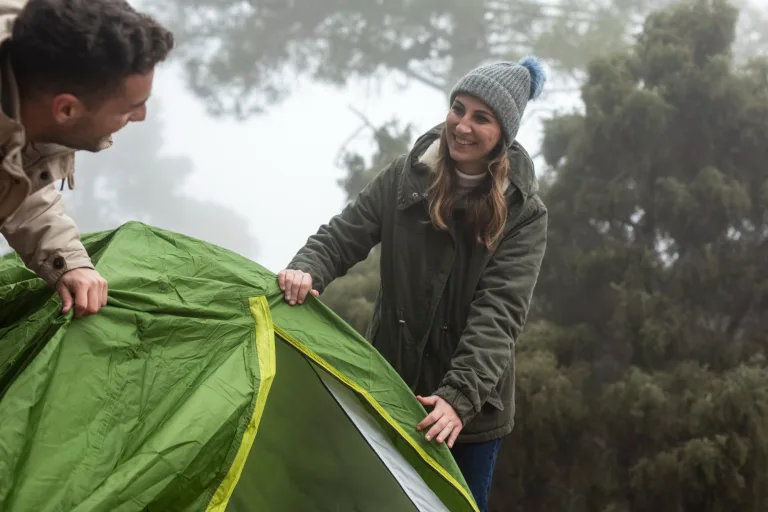
Four-season tents designed for winter conditions feature stronger poles, heavier fabrics, and designs that withstand wind and shed snow effectively. Look for geodesic or tunnel designs offering excellent structural strength. Minimize mesh panels—they provide cooling ventilation in summer but allow excessive heat loss in winter.
Single-wall tents save weight but suffer from condensation issues as moisture from your breath condenses on cold tent fabric. Double-wall tents with separate rainflies and inner tents manage condensation better but weigh more. Choose based on your priorities regarding weight versus moisture management.
Clothing Layers
Layering systems form the foundation of the best cold weather camping gear strategies. Base layers made from merino wool or synthetic materials wick moisture away from skin. Mid-layers like fleece or down jackets provide primary insulation. Outer shell layers block wind and shed moisture.
Avoid cotton entirely—it absorbs moisture, loses insulating value when wet, and dries extremely slowly. Even small amounts of cotton in sock blends or glove liners can create problems during extended winter trips.
Cold Weather Footwear and Accessories
Insulated, waterproof boots rated for cold temperatures keep feet warm and dry. Pac boots with removable liners work well for extreme cold. Ensure adequate room for thick socks—tight boots restrict circulation and make feet colder.
Gaiters prevent snow from entering boots and keep pants dry. Full-length gaiters offer maximum protection for deep snow or mountaineering. Ankle gaiters provide lighter-weight protection for less demanding conditions.
Winter Cooking Gear
Cold-weather stoves and extra fuel belong on every cold-weather camping gear for cold weather checklist. Canister stoves lose pressure and efficiency in freezing temperatures. Liquid-fuel stoves work reliably in extreme cold and perform better in wind. Bring 50-100% more fuel than summer trips require since cold reduces stove efficiency.
Insulated cozy wraps for fuel canisters improve cold-weather performance. Some campers sleep with fuel canisters to keep them warm overnight. Wind screens protect flames and dramatically improve fuel efficiency.
Advanced Cold Weather Gear for Extreme Conditions
Quick overview





Winter Sleeping Systems
Vapor barrier liners (VBL) worn inside sleeping bags prevent body moisture from reaching bag insulation. They feel clammy but maintain insulation effectiveness during extended trips in extreme cold. Expedition sleeping bags rated to -40°F or colder feature massive amounts of insulation for polar or high-altitude conditions.
Sleeping bag overbags add warmth to existing sleeping bags, allowing versatile systems adaptable to varying conditions. Hot water bottles placed in sleeping bags before bed provide warmth during the coldest part of the night.
Extreme Cold-Weather Clothing
Expedition-weight base layers provide maximum moisture wicking and insulation. Down suits or belay parkas offer exceptional warmth during stationary periods in extreme cold. Mountaineering-grade hardshells withstand harsh conditions that destroy lighter shells.
Heated insoles or heated glove liners provide supplemental warmth using battery power. While adding weight and complexity, they offer genuine advantages for cold-sensitive individuals or extreme conditions.
Emergency Gear
Emergency bivvy bags weigh ounces but provide crucial backup shelter if you can't reach your tent. Chemical hand and toe warmers generate heat for hours and can prevent frostbite during unexpected cold exposure.
Emergency communication devices like satellite messengers allow summoning help from remote locations. Personal locator beacons provide one-button SOS capability. Winter conditions increase injury and emergency risks, making reliable communication options particularly valuable.
Tips for Using Cold Weather Camping Gear Effectively
Setting Up and Using Your Tent in the Snow
Clear snow from your tent site down to ground level or pack it firmly before setup. Loose, unpacked snow compresses overnight, creating uneven, uncomfortable surfaces. Build snow walls upwind of your tent for additional wind protection.
Use snow stakes or create snow anchors by burying stuff sacks filled with snow. Regular tent stakes don't hold well in snow. Guy out all tent lines to maximize stability—winter winds can be fierce.
Cooking and Staying Warm in Extreme Cold
Never cook inside your tent due to carbon monoxide risks and moisture generation. Cook in vestibules or outside regardless of the cold. Shield stoves from wind using windscreens or natural terrain features.
Eat high-calorie foods frequently to maintain body heat. Your body generates warmth by metabolizing food, making nutrition particularly important during cold weather camping. Hot meals and beverages provide both calories and immediate warmth.
Layering and Adjusting Your Clothing
Adjust layers proactively before you overheat or get cold. Remove insulation before starting an activity that will generate heat. Add layers before you start feeling cold rather than waiting until you're already chilled.
Ventilate actively by opening jacket zippers, removing hats, or rolling up sleeves when you start warming up. Managing moisture from sweat matters as much as staying warm initially.
Building Your Cold Weather Camping Kit
Choosing the right cold weather camping gear requires understanding your specific needs, expected conditions, and camping style. Prioritize sleeping system warmth, effective shelter, proper clothing layers, and reliable cooking equipment. These categories form the foundation of winter camping comfort and safety.
Start with essential items and gradually add specialized gear as you gain experience and identify specific needs. Not every winter camper requires the most extreme cold weather camping gear—match your equipment to realistic assessments of conditions you'll actually encounter.