Winter camping presents unique challenges that separate it from fair-weather outdoor recreation. Temperatures drop well below freezing, snow blankets the ground, and daylight hours shrink dramatically. The margin for error narrows considerably when cold weather can turn minor mistakes into dangerous situations.
Yet winter camping also offers exceptional rewards—pristine snow-covered scenery, peaceful solitude in empty campgrounds, and the deep satisfaction of thriving in demanding conditions. Success in cold-weather camping depends entirely on preparation, proper gear, and understanding how to stay warm and dry when temperatures plummet. These winter camping tips help you pack appropriately and prepare thoroughly for memorable experiences in winter wilderness.
Why Winter Camping Can Be a Unique and Rewarding Adventure
Winter Camper's Pick
Best for staying genuinely warm below freezing
Winter camping comfort comes down to three things: a four-season tent, a sleeping bag rated well below your expected low, and a sleeping pad with a high R-value. This camping section lets you filter all three by temperature rating so you buy for actual conditions, not best-case scenarios.
- Oakley Shop winter camping gear at Oakley
- Mountain Hardwear Shop winter camping gear at Mountain Hardwear
- Columbia Sportswear Shop winter camping gear at Columbia Sportswear
- Sorel Shop winter camping gear at Sorel
- Garmin Shop winter camping gear at Garmin
Winter transforms familiar landscapes into entirely new environments. Snow muffles sound, creating profound quiet rarely experienced in busy summer campgrounds. Wildlife activity becomes easier to track through fresh snow. Frozen lakes and snow-covered trails offer access to areas unreachable during warmer months.
The physical and mental challenges of winter camping build confidence and self-reliance. Successfully managing cold conditions, solving problems with frozen equipment, and staying comfortable despite harsh weather create accomplishments that summer camping rarely provides. Many outdoor enthusiasts consider winter their favorite camping season precisely because of these challenges.
Key Considerations Before Going Winter Camping
Assessing Your Experience Level
One of the most important pieces of winter camping advice involves honestly evaluating your skills before attempting cold-weather trips. Winter camping demands more from participants than summer outings. Experienced warm-weather campers should start with short, accessible winter trips close to civilization before progressing to remote winter expeditions.
Consider taking winter camping courses or guided trips to learn essential skills from experts. Techniques for staying warm, managing moisture, and handling winter emergencies differ significantly from summer practices. Learning from experienced winter campers accelerates your skill development while reducing risks.
Start with mild winter conditions rather than the coldest, harshest weather. Temperatures slightly below freezing teach winter camping fundamentals without the extreme challenges of deep cold. Build experience gradually, attempting more difficult conditions as your skills and gear collection improve.
Choosing the Right Campsite for Winter Conditions
Location selection matters tremendously for winter comfort and safety. Avoid valley bottoms and low-lying areas where cold air settles overnight, creating the coldest microclimates. Camp on slight elevations or hillsides where temperatures stay moderately warmer.
Seek natural windbreaks like dense trees, large rocks, or terrain features that block prevailing winds. Wind dramatically increases heat loss and makes already cold conditions feel much colder. Protected sites require less energy expenditure to stay warm.
Research accessibility before winter trips. Snow and ice can make roads impassable or close facilities you planned to use. Verify that your destination remains accessible during winter and that you have appropriate vehicle equipment if driving through snow.
Essential Gear for Winter Camping
Quick overview





Winter Sleeping Gear
Your sleeping system represents the most critical gear category for winter camping comfort. Standard three-season sleeping bags fail in genuinely cold conditions. Winter bags rated for temperatures at least 10-15 degrees Fahrenheit colder than expected nighttime lows provide necessary insulation with safety margins for unexpected temperature drops.
Down sleeping bags offer exceptional warmth-to-weight ratios and compress smaller for easier packing. However, down loses insulating value if it gets wet, making moisture management critical. Synthetic bags weigh more and pack larger but maintain warmth even when damp, offering advantages in wet snow conditions.
Cold-Weather Clothing Essentials
Layering systems form the foundation of effective winter camping tips for staying warm. Base layers made from merino wool or synthetic materials wick moisture away from skin while providing initial insulation. Never wear cotton—it absorbs moisture, loses all insulating value when wet, and dries extremely slowly.
Insulating mid-layers trap warm air and provide most of your thermal protection. Fleece jackets, synthetic insulated jackets, or down puffy coats serve as effective mid-layers. Bring multiple options so you can adjust insulation based on activity level and temperature changes.
Outer shell layers block wind and shed precipitation while allowing moisture from your body to escape. Waterproof, breathable jackets and pants protect against snow and rain without trapping sweat inside your clothing layers.
Winter Tent and Shelter
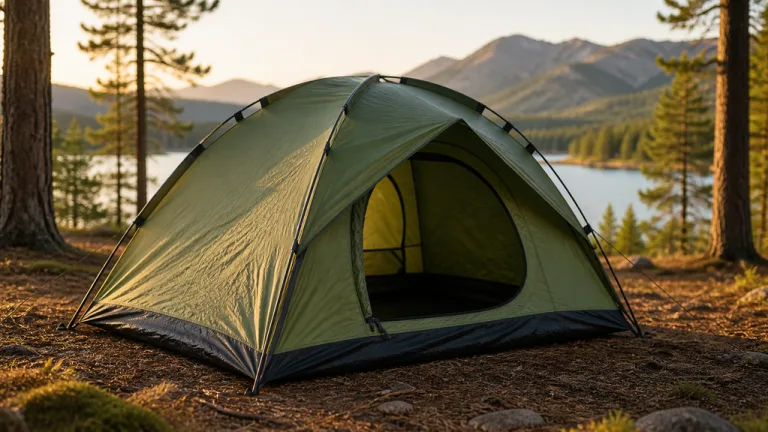
Four-season tents designed specifically for winter conditions feature stronger poles, heavier fabrics, and designs that withstand wind and shed snow effectively. These tents minimize mesh panels that provide cooling ventilation in summer but allow heat loss in winter. Geodesic dome designs offer excellent stability in high winds and shed snow efficiently.
Tent size affects warmth—smaller tents trap body heat better than large ones. However, you need adequate space for gear that can't stay outside in the snow. Balance warmth retention against practical space requirements for your group and equipment.
Bring adequate snow stakes or learn to create snow anchors using buried stuff sacks or snow-filled bags. Regular tent stakes don't hold well in snow, and winter winds can blow poorly secured tents away.
Cooking and Hydration Tips for Winter Camping
Cooking in Cold Conditions
Cooking requires more effort and fuel during winter camping. Cold temperatures reduce stove efficiency, and wind increases fuel consumption dramatically. Bring significantly more fuel than summer trips would require—often 50-100% more, depending on conditions.
Choose stoves designed for cold-weather use. Canister stoves struggle in freezing temperatures unless you keep the fuel warm. Liquid-fuel stoves work reliably in extreme cold and perform better in high winds. Some winter campers bring both types for redundancy.
Prepare meals requiring minimal preparation and cleanup. Your hands won't tolerate extended exposure to cold air and water during food prep. Simple, one-pot meals work best for winter camping. Hot foods and beverages provide both nutrition and warmth that cold snacks can't match.
Staying Hydrated in Cold Weather
Hydration remains critical despite cold conditions, making you less thirsty. Dehydration impairs your body's ability to regulate temperature and increases frostbite risk. Force yourself to drink water regularly, even when you don't feel thirsty.
Prevent water from freezing by insulating bottles or keeping them inside your jacket next to your body heat. Wide-mouth bottles allow breaking ice if the water freezes partially. Some campers add a small amount of salt or sugar to lower the water's freezing point slightly.
Drink warm beverages frequently—hot chocolate, tea, coffee, or soup provides hydration plus warmth. Your body doesn't need to expend energy warming cold water to body temperature, and hot drinks feel comforting in cold conditions.
Tips for Winter Tent Camping
Proper Tent Setup for Winter Conditions
Location selection and setup procedures differ significantly from summer camping. Clear snow from your tent site down to ground level or pack it firmly before setting up. Camping on loose, unpacked snow creates uneven, uncomfortable surfaces that compress overnight.
Build snow walls or windbreaks upwind of your tent if camping in exposed locations. Even modest windbreaks significantly improve comfort by blocking wind that drives cold through the tent fabric and zippers.
Create a vestibule area for removing snow-covered boots and outerwear before entering your sleeping space. Bringing snow inside your tent increases interior moisture dramatically, making everything damp and reducing insulation effectiveness.
Ventilation and Moisture Control
Moisture management represents one of the most important winter camping tips. Your breath contains significant moisture that condenses on cold tent walls, creating ice buildup. This condensation drips on you and your gear as temperatures fluctuate, soaking sleeping bags and clothing.
Maintain adequate ventilation even in extremely cold conditions. Crack the tent vents and doors slightly to allow moisture-laden air to escape. Yes, this allows some heat loss, but preventing condensation matters more than maximizing warmth.
Packing Checklist for Winter Camping
Essential items for comfortable, safe winter camping include:
- Four-season tent with snow stakes
- Winter-rated sleeping bag (rated 10-15°F below expected lows)
- High R-value sleeping pad (5.0 or higher)
- Moisture-wicking base layers (merino wool or synthetic)
- Insulating mid-layers (fleece or down)
- Waterproof, breathable shell jacket and pants
- Insulated, waterproof winter boots
- Liner gloves and heavy mittens
- Warm hat and neck gaiter or balaclava
- Gaiters to keep snow out of boots
- Cold-weather stove and extra fuel
- Insulated water bottles or bottle covers
- High-calorie food, including fats and proteins
- Hand and toe warmers
- Headlamp with lithium batteries works better in cold)
- First aid kit with cold-injury supplies
- Emergency shelter and fire-starting materials
- Navigation tools (map, compass, GPS)
Preparing for Safe Winter Camping
These winter camping tips provide foundations for comfortable, safe cold-weather outdoor experiences. Winter camping demands more preparation, heavier gear, and greater attention to detail than summer trips. Moisture management, nutrition, hydration, and proper layering separate comfortable winter camping from miserable suffering.
Don't let challenges discourage you from trying winter camping. Start with short trips close to home, camp during milder winter conditions initially, and gradually build skills and confidence through experience. Each winter camping trip teaches lessons that improve your preparation and comfort on future outings.