

Stepping into the wilderness without proper preparation turns what should be an enjoyable outdoor experience into a struggle against discomfort, hunger, or even danger. The difference between a memorable camping trip and a miserable one often comes down to what you pack.
Forgetting critical items means improvising solutions that rarely work as well as the proper gear, while bringing unnecessary equipment adds weight and bulk that makes travel exhausting. A well-planned camping essentials list ensures you have everything needed for safety and comfort without carrying excess baggage.
Why a Camping Essentials List is Crucial
Creating and following a camping essentials list prevents the common mistake of forgetting critical items until you need them. There's nothing quite like arriving at your campsite and realizing you left your sleeping bag at home, or discovering your flashlight batteries died with no replacements. These oversights transform relaxing trips into frustrating ordeals.
A proper list of camping essentials also prevents overpacking. First-time campers often bring far too much gear, hauling items they never use while their backs ache from the weight. Experienced campers learn to pack only what they'll actually need, making travel easier and leaving more room for truly important items.
Camper's Pick
Best for covering every must-have in one order
The ten camping essentials rarely change, but the quality and weight of each item varies enormously by brand. The camping section below covers all ten categories with side-by-side comparisons and verified buyer reviews so you're not guessing on gear that matters.
- Oakley Shop camping essentials at Oakley
- Mountain Hardwear Shop camping essentials at Mountain Hardwear
- Columbia Sportswear Shop camping essentials at Columbia Sportswear
- Sorel Shop camping essentials at Sorel
- Garmin Shop camping essentials at Garmin
10 Essential Items You Must Include on Your Camping Essentials List
1. Shelter: Tent or Hammock
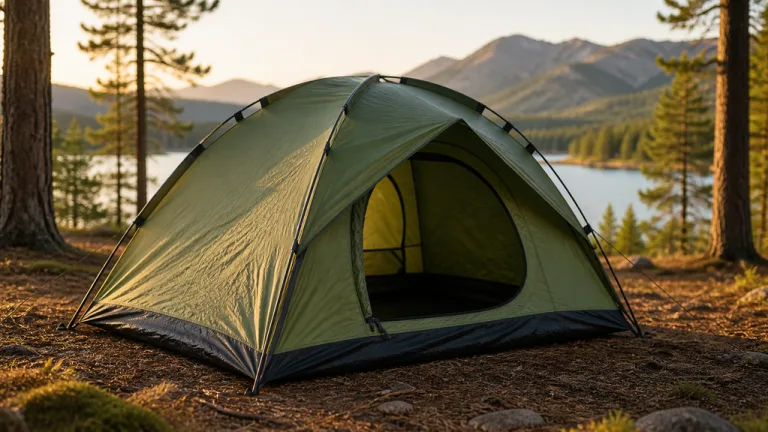
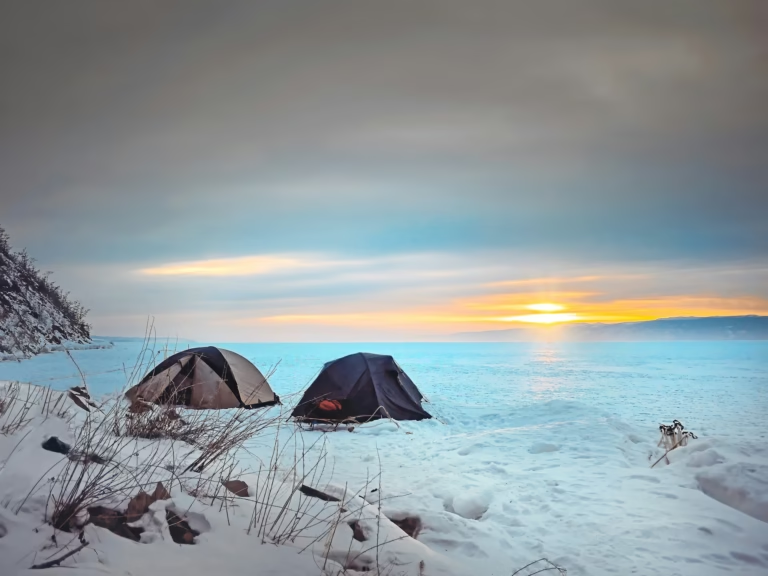
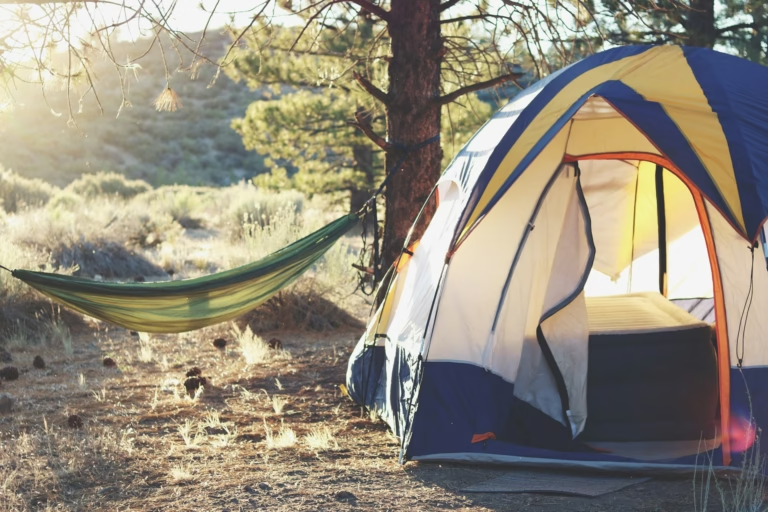
Shelter protects you from the weather, insects, and wildlife while providing a dedicated space to sleep safely. Most campers choose tents sized for their group—two-person tents for couples, four-person tents for families. Consider weight if backpacking, and prioritize weather resistance if camping in rainy or windy conditions.
Hammocks with integrated bug nets and rain flies offer lightweight alternatives to tents, though they require trees or other anchor points. Ground sleepers need tents with solid floors and good waterproofing. Test your shelter at home before your trip to understand the setup and identify any missing components like stakes or guylines.
2. Sleeping Bag & Sleeping Pad
Quality sleep determines how much you enjoy camping. Sleeping bags rated for temperatures colder than you expect prevent miserable cold nights. Temperature ratings indicate the lowest temperature at which you'll stay warm, so choose conservatively. Three-season bags handle spring through fall in most climates, while winter bags provide extra insulation for cold conditions.
Sleeping pads matter as much as bags. They insulate you from cold ground and provide cushioning that makes sleep possible. Foam pads cost less and never fail, while inflatable pads pack smaller and offer more comfort but risk punctures. Your camping essentials list should include both a sleeping bag and a pad matched to expected conditions.
3. Cooking Equipment: Portable Stove and Utensils
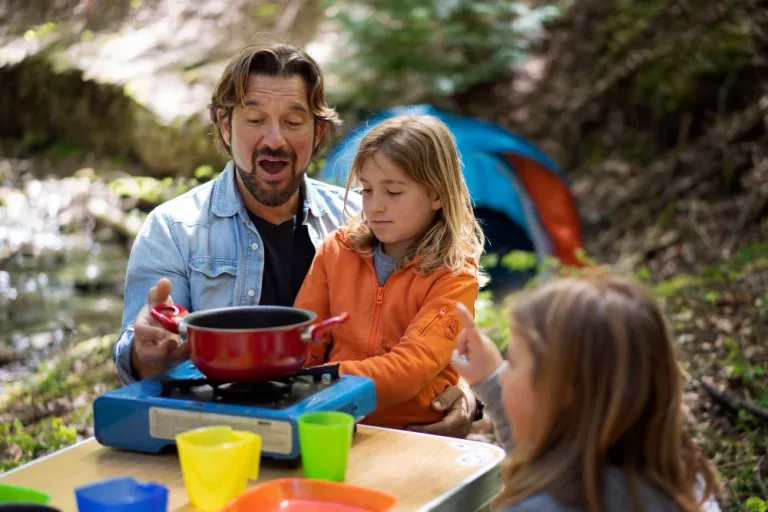
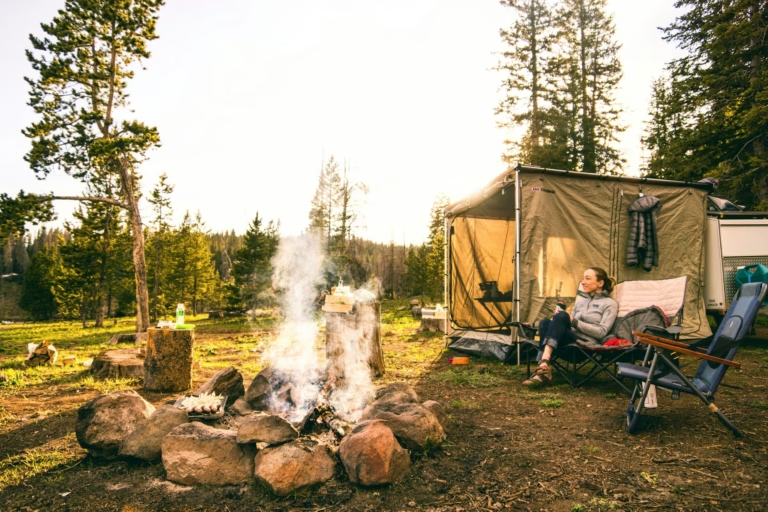
Hot meals and beverages dramatically improve camping experiences. Portable camping stoves provide reliable cooking without depending on campfires, which may be prohibited during dry seasons. Canister stoves work well for most camping, offering easy operation and good flame control. Bring fuel appropriate for the trip length—canisters aren't refillable, so estimate consumption carefully.
Basic cooking utensils include a pot for boiling water, a pan for cooking, a spatula or spoon for stirring, and eating utensils. Lightweight camping cookware nests together to save space. Don't forget items like a can opener, cutting knife, and cleaning supplies for washing dishes.
4. Food & Snacks
Plan meals carefully to bring enough food without excessive weight. Pre-packaged camping meals offer convenience and minimal preparation, though they cost more than planning your own menus. Simple meals requiring only boiling water—pasta, instant rice, oatmeal—work well and pack light.
Snacks provide energy between meals and on the trail. Trail mix, energy bars, jerky, and dried fruit travel well and don't require cooking. Store food properly to avoid attracting wildlife—use bear canisters where required or hang food bags away from camp. Include more food than you think you'll need since outdoor activity increases appetite, and you might extend your trip.
5. Water Filtration System or Water Treatment Tablets
Staying hydrated matters tremendously outdoors, but natural water sources often contain harmful bacteria or parasites. Water filtration systems or purification tablets make wild water safe to drink, eliminating the need to carry all your water.
Pump filters work reliably but require effort. Gravity filters process large volumes with minimal work, making them popular for group camping. UV purifiers kill pathogens quickly but need batteries. Chemical tablets work everywhere and weigh almost nothing, but require wait times and may affect taste. Your camper essentials list should include whichever system matches your preferences and destination.
6. Clothing for All Weather Conditions
Weather changes quickly outdoors, so your list of camping essentials must include clothing for various conditions. Layering provides flexibility—base layers wick moisture, insulating layers trap warmth, and outer shells block wind and rain.
Pack extra clothes beyond what seems necessary. Getting wet without dry alternatives creates an anguishing hypothermia risk, especially in cool conditions. Synthetic or wool fabrics dry faster and insulate better when wet compared to cotton, which loses all insulating value and dries slowly.
Don't forget accessories: a hat for sun protection, a warm hat for cold nights, gloves if temperatures might drop, and extra socks since dry feet prevent blisters and stay warmer. Bring waterproof rain gear, even if forecasts show sunny weather; predictions aren't always accurate, and afternoon storms appear suddenly.
Quick overview





7. First Aid Kit
Injuries happen outdoors—cuts, scrapes, blisters, burns, sprains, and insect bites all occur with some regularity. A proper first aid kit lets you treat minor injuries before they become serious problems. Pre-assembled kits provide good starting points, but customize them for your specific needs.
Basic supplies include adhesive bandages in various sizes, gauze pads and tape, antiseptic wipes, antibiotic ointment, pain relievers, anti-inflammatory medication, antihistamines for allergic reactions, blister treatment, tweezers for splinters, and any personal prescription medications. Include a first aid guide if you're not trained in wilderness medicine.
8. Fire Starting Tools
Reliable fire-starting tools belong on every camping essentials list. Fires provide warmth, cooking capability, water purification through boiling, and psychological comfort. Multiple ignition methods ensure you can start fires even if your primary method fails.
Waterproof matches or a quality lighter provide easy ignition. Fire starters made from wax-soaked materials catch easily and burn long enough to ignite damp wood. Many campers also carry magnesium fire starters that work when wet, providing backup when other methods fail.
Understand fire regulations for your destination—some areas prohibit fires during dry seasons or require using only established fire rings. Always fully extinguish fires before leaving camp or sleeping.
9. Headlamp or Flashlight
Darkness falls early in forests, and campsites rarely offer ambient lighting. Hands-free illumination from headlamps lets you cook, set up camp, use the bathroom, or respond to nighttime situations while keeping both hands available.
Modern LED headlamps provide excellent brightness with long battery life. Bring extra batteries since cold temperatures drain them faster than normal. Some campers carry backup flashlights in addition to headlamps for redundancy. Red light modes preserve night vision better than white light and don't disturb other campers.
10. Multi-Tool or Swiss Army Knife
Multi-tools pack numerous functions into compact, lightweight packages. Basic needs include knife blades for cutting, scissors for precise cuts, screwdrivers for equipment repairs, can openers for food, and pliers for various tasks. These tools handle countless unexpected situations—tightening loose tent stakes, repairing broken equipment, preparing food, or cutting cordage.
Quality multi-tools last for years with proper care. Choose tools with functions you'll actually use rather than maximum features you'll never need. A simple knife with a few useful tools often serves better than elaborate devices with dozens of rarely-used implements.
Tips for Packing and Organizing Your Camping Essentials
Create a Master Checklist
Develop a comprehensive camping essentials list that you refine over multiple trips. Digital lists on your phone let you check off items as you pack, ensuring nothing gets forgotten. Organize your list by categories—shelter, sleep system, cooking, clothing, safety—making it easier to verify you've covered everything.
Review and update your list after each trip. Note items you didn't use and consider leaving them at home next time. Add anything you wished you'd brought. This continuous improvement creates a personalized list of essentials for camping that matches your specific needs.
Pack Strategically
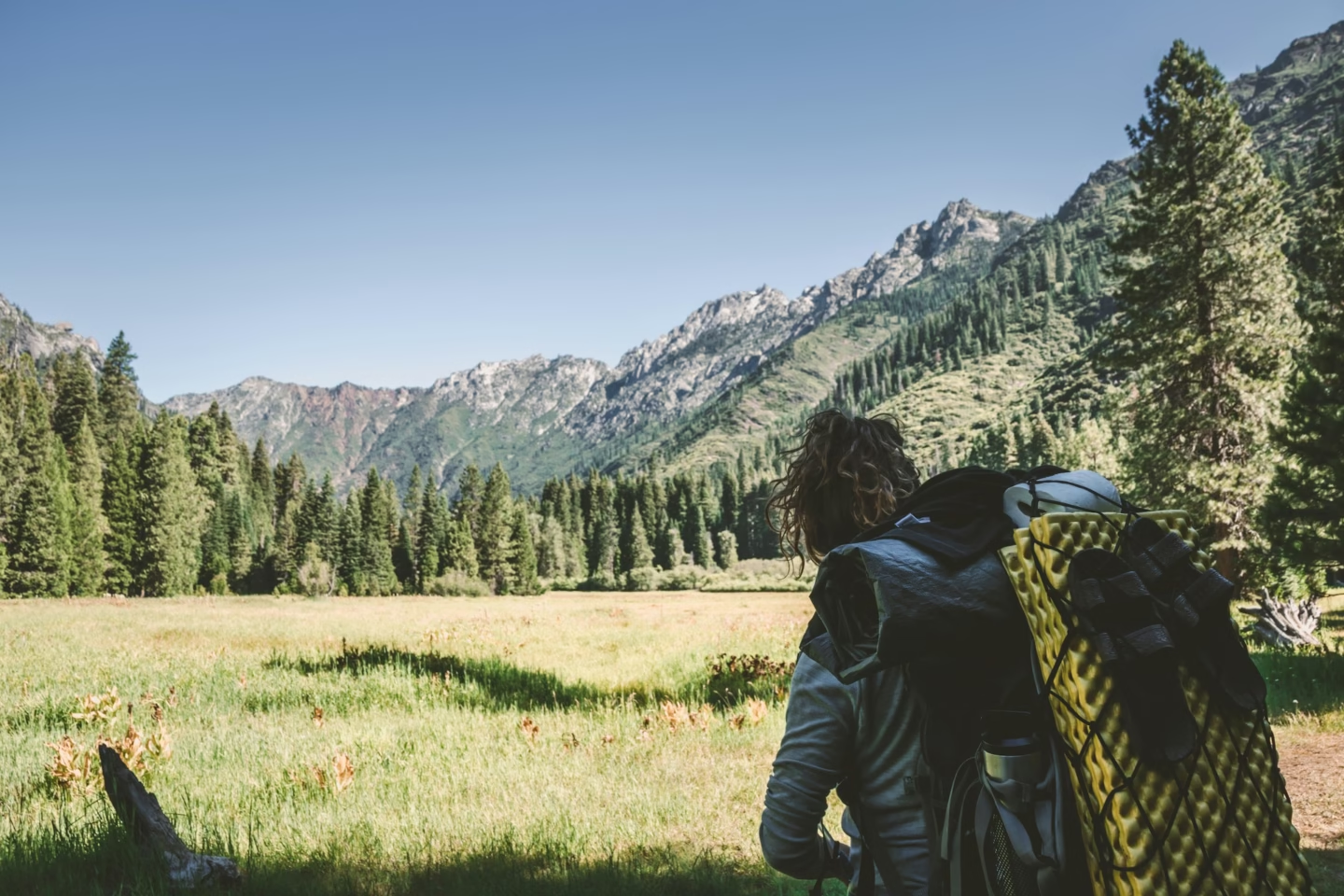
Organize gear logically to access items when needed without unpacking everything. Keep frequently used items easily accessible. Store clothes in waterproof bags to ensure dry changes if other gear gets wet. Place heavy items low and close to your back if backpacking to improve balance and reduce strain.
Pack your tent and sleeping gear first since you'll need them last when you arrive and first when you leave. Keep cooking equipment together so you're not searching for individual items at mealtime. Group your first aid kit, flashlight, and knife where you can grab them quickly in emergencies.
The Foundation of Great Camping Experiences
This camping essentials list covers the fundamental items every camper needs for safe, comfortable outdoor experiences. Shelter, sleep system, cooking equipment, food, water treatment, appropriate clothing, first aid supplies, fire starting tools, lighting, and a multi-tool form the foundation that lets you handle expected needs and unexpected challenges.
Your specific camper essentials list will evolve based on personal preferences, camping style, and lessons learned from experience. Start with these ten categories, customize for your destinations and seasons, and refine continuously.