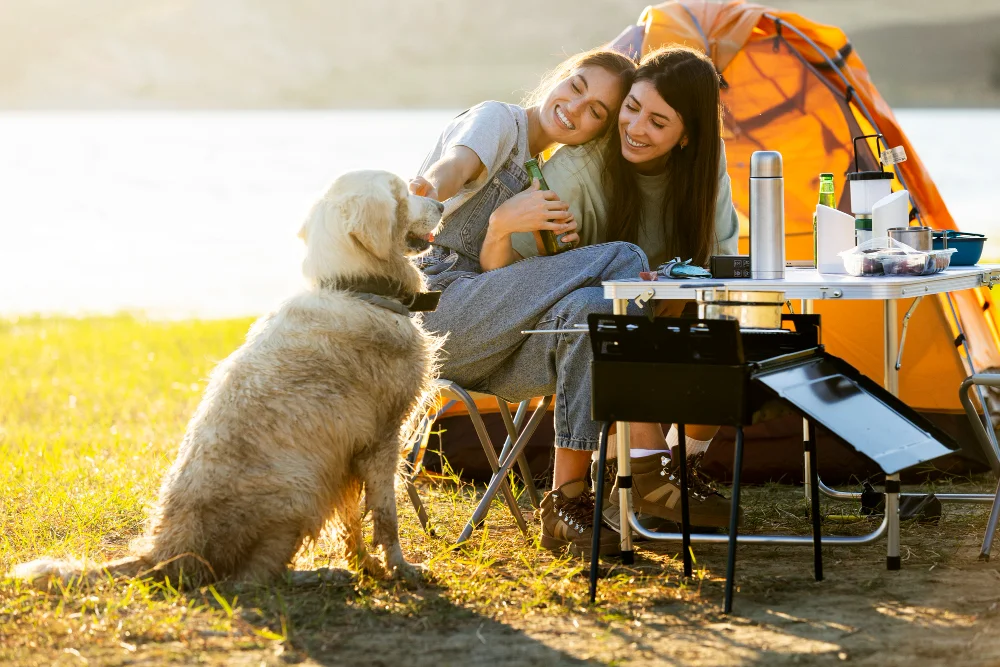


Camping with your dog can create unforgettable memories and strengthen the bond you share. There's something special about watching your furry companion explore new trails, sniff unfamiliar scents, and curl up beside the campfire under the stars.
However, taking your dog camping requires more planning than a solo trip. Dogs face unique challenges in outdoor environments—from wildlife encounters to temperature extremes—that require thoughtful preparation to ensure everyone has a safe, enjoyable experience.
Tip #1: Choose a Dog-Friendly Campsite
Camper's Pick
Best for camping trips your dog will love too
A happy camp dog needs a few extra items: a long tie-out line, a collapsible bowl, a compact dog first aid kit, and a sleeping pad that's all theirs.
- Oakley Shop camping gear at Oakley
- Mountain Hardwear Shop camping gear at Mountain Hardwear
- Columbia Sportswear Shop camping gear at Columbia Sportswear
- Sorel Shop camping gear at Sorel
- Garmin Shop camping gear at Garmin
Not all campsites welcome dogs, and those that do often have specific rules and restrictions. Before booking, research whether your chosen destination allows pets and what limitations apply. Some campgrounds restrict dogs to certain areas, require leashes at all times, or have breed or size restrictions.
Look for campgrounds with amenities that make camping with dogs easier—designated dog areas, nearby trails where dogs are permitted, and waste disposal stations. Reading recent reviews from other pet owners provides insight into how dog-friendly a location truly is. Consider the terrain too—gentle trails suit older dogs better than rugged mountain terrain, and water-loving dogs appreciate campgrounds near dog-friendly lakes or streams.
Tip #2: Prepare a Dog-Specific Packing List
One of the most important tips for camping with dogs involves thorough packing. Your dog needs enough food for the entire trip, plus extra, collapsible water and food bowls, and any medications they take regularly. Bring your dog's leash, collar with ID tags, and a backup leash in case one breaks. A long lead or tie-out cable gives your dog more freedom around the campsite while keeping them secure.
Pack plenty of waste bags and comfort items like your dog's regular bed or a camping-specific dog bed for insulation from cold ground. Favorite toys offer entertainment and stress relief.
Tip #3: Keep Your Dog Leashed and Under Control
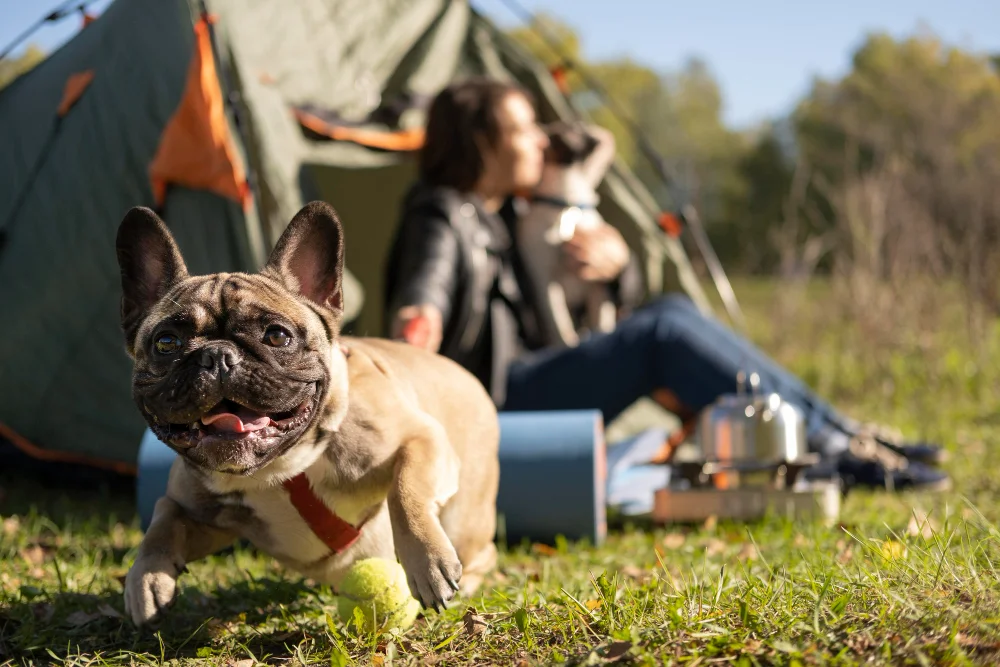
Even well-trained dogs can react unpredictably to wildlife, other dogs, or unfamiliar situations. Keeping your dog leashed protects them, wildlife, other campers, and respects campground rules that almost universally require leashes.
A standard six-foot leash works for walking, while a longer tie-out lets your dog move around at the campsite. Never leave your dog tied up unattended for extended periods—they could tangle the line, encounter wildlife, or escape if frightened.
Tip #4: Ensure Your Dog's Comfort and Safety at the Campsite
Choose a spot for your dog's bed that's protected from direct sun and sheltered from wind. Remove hazards from your campsite area before letting your dog explore—check for sharp objects, toxic plants, or holes that could cause injury.
Be aware of steep drop-offs, bodies of water, or busy roads nearby. Establish a routine by designating specific areas for bathroom breaks, feeding, and rest. Dogs find comfort in predictability, helping them adjust to the new environment more quickly.
Tip #5: Protect Your Dog from the Elements
Weather protection is among the critical camping tips with dogs that many owners overlook. In hot weather, ensure constant access to fresh water and shade. Avoid hiking during the hottest parts of the day, and watch for signs of overheating—excessive panting, drooling, or lethargy.
Cold weather camping requires dog coats for short-haired breeds and extra bedding for insulation. Protect paws year-round with booties—hot pavement can burn pads, while ice and rough terrain can cause injuries.
Don't forget sun protection for dogs with light-colored or thin coats. Dog-safe sunscreen on exposed areas like noses prevents painful burns. Check regularly for ticks and remove them promptly.
Quick overview





Tip #6: Plan for Outdoor Adventures and Activities
Research dog-friendly trails and activities near your campsite before arriving. Not all hiking trails allow dogs, and some restrict them during certain seasons. Start with shorter, easier trails to gauge your dog's stamina, especially if they're not regular hikers. Bring plenty of water for both of you—dogs need frequent hydration breaks during physical activity.
Swimming offers excellent exercise and cooling relief, but use a dog life jacket for safety around water. These tips for camping with a dog ensure outdoor activities remain fun rather than stressful. Pay attention to your dog's body language and energy levels, taking breaks whenever they show signs of fatigue.
Tip #7: Maintain Your Dog's Routine
Dogs thrive on routine, and maintaining familiar schedules helps them adjust to camping. Feed your dog at their regular times using their usual food—sudden diet changes can cause digestive upset.
Keep exercise and rest patterns similar to home schedules when possible. Regular bathroom breaks at predictable intervals prevent accidents and keep your dog comfortable. Replicate bedtime routines at the campsite, as familiar rituals signal that, despite the different environment, they're safe.
Tip #8: Bring a Dog First Aid Kit
Medical emergencies can happen anywhere, and being prepared is one of the most important camping with dogs tips for safety. Assemble a dog-specific first aid kit with these essentials:
- Gauze pads and rolls for wound care
- Adhesive tape and animal-specific bandages
- Antiseptic wipes and antibiotic ointment
- Tweezers for removing splinters or ticks
- Digital thermometer
- Emergency vet contact information
- Prescription medications your dog takes
- Benadryl for allergic reactions (check dosage with your vet)
- Hydrogen peroxide to induce vomiting if needed
- Copies of vaccination records
Know basic canine first aid before your trip. Understanding how to recognize and respond to common camping injuries—cuts, insect stings, snake bites, or heat exhaustion—can prevent minor issues from becoming serious.
Tip #9: Respect Wildlife and Other Campers
Responsible pet ownership matters even more in shared outdoor spaces. Among the essential tips for camping with dogs is understanding that your dog's behavior affects others' experiences. Keep your dog quiet, especially during early morning and evening hours. Pick up after your dog every single time, even on trails. Dog waste doesn't decompose like wild animal droppings and can contaminate water sources.
Prevent your dog from approaching wildlife, which stresses animals and can be dangerous. Store dog food securely to avoid attracting wildlife to your campsite. Respect other campers' boundaries—not everyone loves dogs. Keep your dog in your designated campsite area and ask before allowing your dog to approach other campers or their pets.
Tip #10: Know Your Dog's Limits
Perhaps the most important of all tips for camping with a dog is understanding and respecting your individual dog's capabilities and temperament. Not every dog is suited for every type of camping. A senior dog with arthritis might love car camping with short walks but struggle with backcountry hiking. A young, energetic dog might find a quiet campground frustrating.
Consider your dog's socialization level. If your dog is reactive or anxious around strangers or other animals, choose quieter, less crowded campgrounds. Physical limitations matter too—brachycephalic breeds struggle more with heat and exertion, while very small dogs tire quickly on long hikes. Adjust your camping plans to fit your dog's realistic abilities rather than pushing them beyond comfortable limits.
Watch for signs your dog isn't enjoying the experience—excessive panting despite cool temperatures, reluctance to walk, hiding, or unusual clinginess can all indicate stress. It's okay to cut a trip short if your dog genuinely isn't handling camping well.
Making Memories That Last
Camping with your dog offers unique opportunities for bonding and shared experiences in nature. When you follow solid tips for camping with dogs—from choosing appropriate locations and packing properly to maintaining routines and respecting your dog's limits—you set the stage for successful trips that you'll both remember fondly.
The key to enjoyable camping lies in thorough preparation. Understanding what camping tips with dogs apply to your specific situation helps you plan appropriately. Start with shorter, simpler camping trips to build your confidence and your dog's camping skills. As you both gain experience, you can tackle more ambitious outings.
The effort invested in following these tips for camping with a dog pays off in magical moments—your dog's joy at discovering a new trail, the contentment of lying together watching the sunset, and the peaceful companionship of nights spent under the stars. With proper planning and realistic expectations, camping with your dog strengthens your relationship and creates memories that last long after you've returned home.