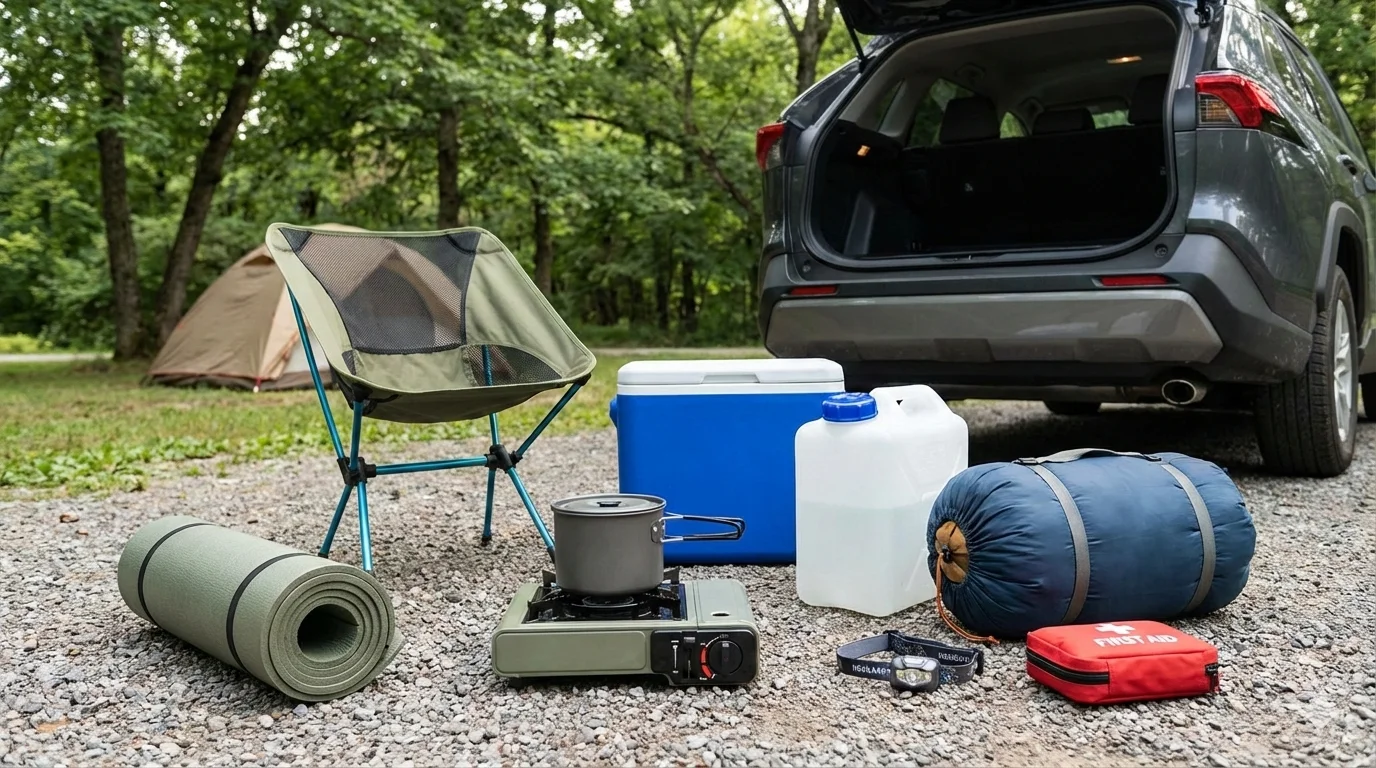


Car camping offers the perfect blend of outdoor experience and convenience. Unlike backpacking, where every ounce matters, car camping lets you bring comfortable equipment that makes your time outdoors more enjoyable.
You can pack larger tents, proper sleeping pads, cooking equipment, and all the extras that transform a basic camping trip into a comfortable outdoor getaway. The flexibility of having your vehicle nearby means you're not limited to minimalist gear and can adapt to changing weather conditions throughout the year.
Essential Car Camping Gear for All Seasons
Camper's Pick
Best for a car camping kit that works in any season
Car camping's advantage is you're not counting ounces, which means you can bring the gear that makes each season genuinely comfortable.
- Oakley Shop camping gear at Oakley
- Mountain Hardwear Shop camping gear at Mountain Hardwear
- Columbia Sportswear Shop camping gear at Columbia Sportswear
- Sorel Shop camping gear at Sorel
- Garmin Shop camping gear at Garmin
Shelter and Sleeping Equipment
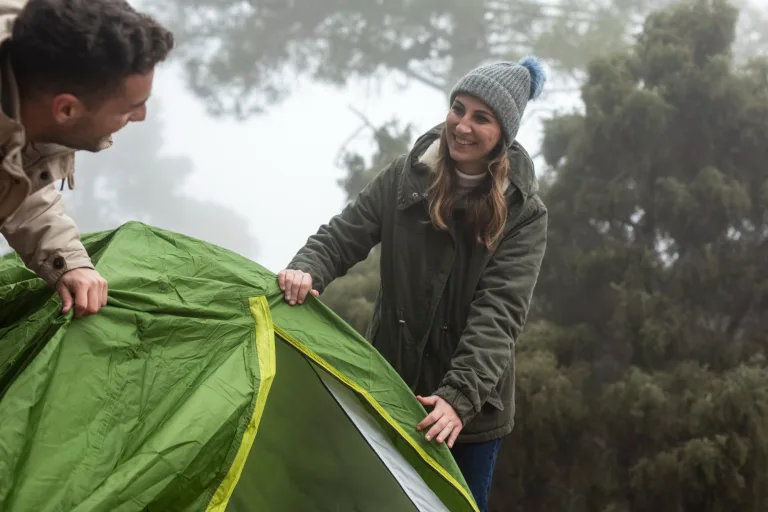
Your shelter and sleeping system form the foundation of any car camping gear list. A quality tent sized appropriately for your group provides protection from the elements in every season. Look for tents with good ventilation for summer and solid weather resistance for spring and fall rain. A rainfly that extends well beyond the tent body keeps you dry during storms.
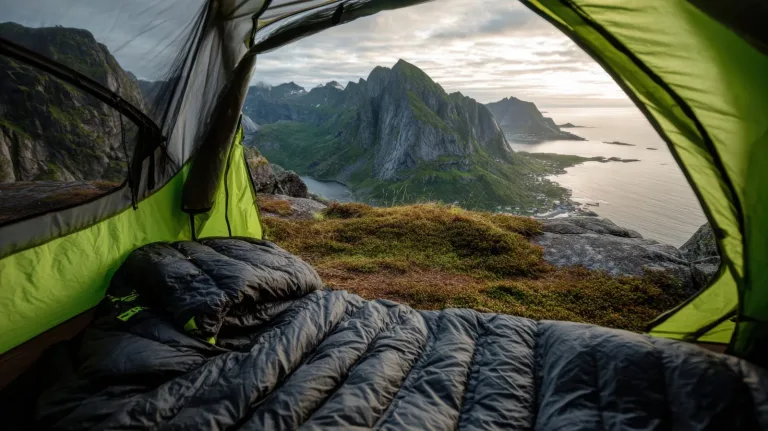
Sleeping bags rated for different temperature ranges let you camp comfortably year-round. A 20-30°F sleeping bag handles most three-season camping, while a 0°F or lower bag becomes necessary for winter trips. Sleeping pads provide insulation from cold ground and cushioning for comfort. Closed-cell foam pads are inexpensive and virtually indestructible, while inflatable pads offer superior comfort and packability.
Clothing for All Seasons
Layering systems work best for adapting to variable conditions throughout the day and across seasons. Base layers wick moisture away from skin, mid-layers provide insulation, and outer layers protect from wind and precipitation. Synthetic or merino wool base layers outperform cotton, which holds moisture and loses insulating properties when wet.
Pack versatile pieces that work across multiple seasons. Lightweight fleece or down jackets compress well and provide warmth when temperatures drop. A quality rain jacket and rain pants keep you dry during unexpected storms. Don't forget extra socks and underwear—having dry clothes to change into improves comfort dramatically.
Cooking and Food Storage
Car camping allows you to bring proper cooking equipment rather than ultralight backpacking stoves. A two-burner camp stove provides flexibility for preparing full meals. Propane stoves are convenient and work reliably in most conditions, though they lose efficiency in extreme cold. Bring extra fuel canisters—running out of fuel ruins meal plans.
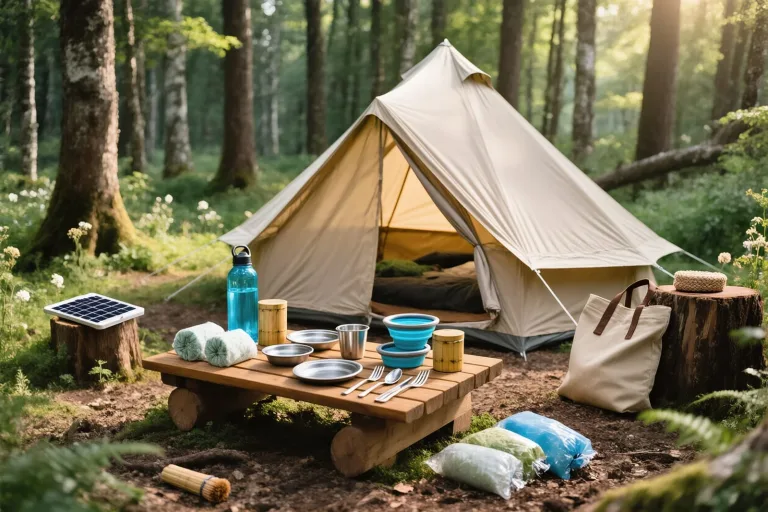
A cooler keeps perishable food fresh for several days. Hard-sided coolers offer better insulation than soft coolers, and pre-chilling your cooler before adding ice maximizes cooling efficiency. Pack a complete camp kitchen: pots and pans, utensils, plates and bowls, dish soap and sponges, trash bags, and paper towels or camp towels.
Lighting and Power Supply
Good lighting transforms your campsite after dark. Headlamps provide hands-free lighting for cooking, setting up tents, or nighttime bathroom trips. Lanterns light up the entire campsite and create a welcoming atmosphere. LED lanterns offer excellent battery life, and many include rechargeable options.
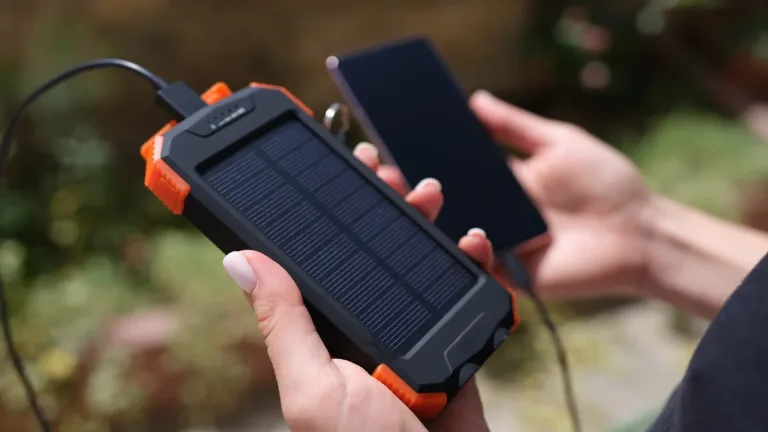
Power banks keep phones and other devices charged. Solar chargers work well for extended trips, though they require sunny weather to be effective. Some campers invest in portable power stations that can run small appliances and recharge multiple devices—particularly useful for cold-weather camping when electronics drain faster.
Comfort and Convenience Gear
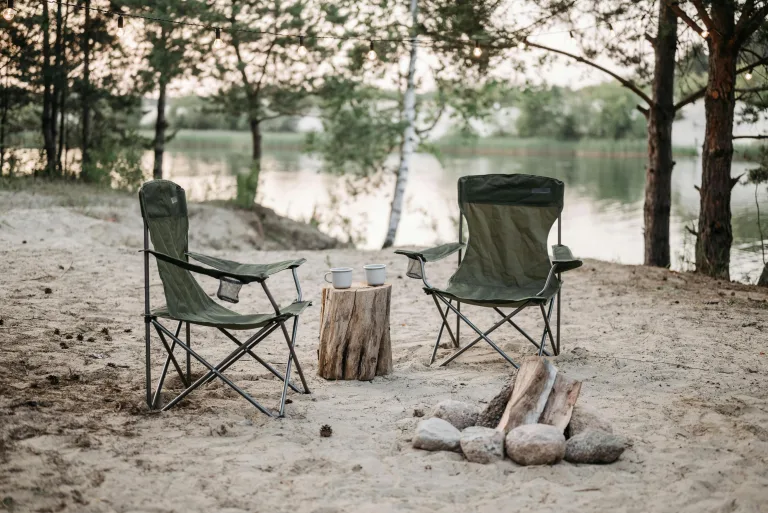
This is where car camping shines—you can bring comfort items that make outdoor living more pleasant. Camp chairs provide comfortable seating around the fire or at your campsite. Tables keep cooking surfaces clean and organized. A canopy or tarp creates shade on hot days and provides shelter from rain while you cook or relax outside your tent.
Entertainment options like books, games, or musical instruments enhance downtime. Bringing a small rug or carpet for inside your tent keeps things cleaner and adds insulation. The best car camping gear balances necessity with comfort, taking advantage of not needing to carry everything on your back.
Car Camping Gear for Hot Weather
Staying Cool and Comfortable
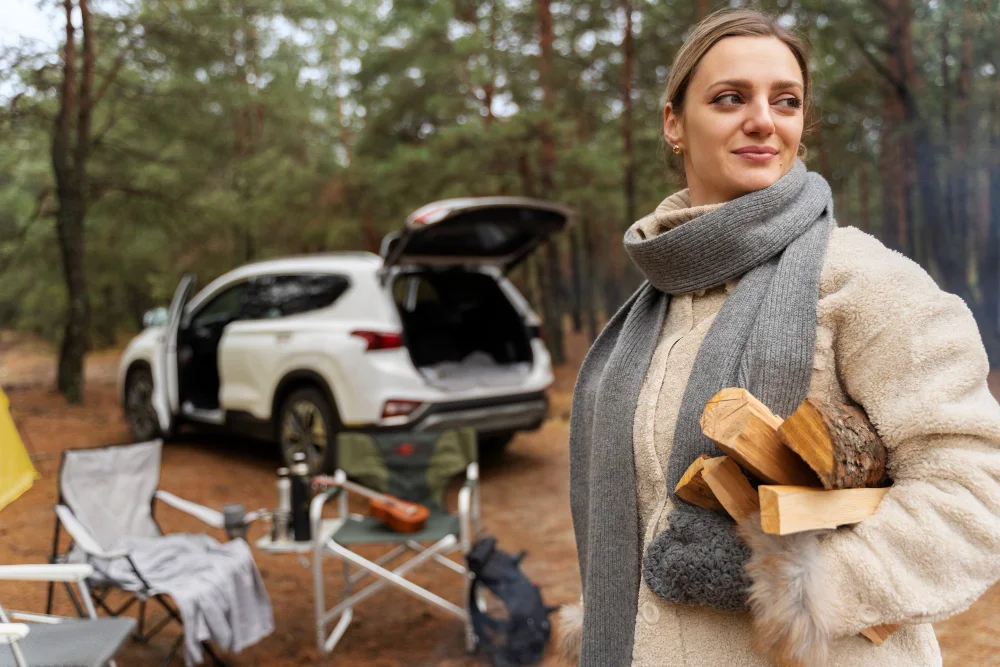
Hot weather camping requires gear focused on ventilation, shade, and hydration. Choose a tent with maximum mesh panels for airflow. Setting up your tent in shade keeps interior temperatures manageable, though be aware that shade moves throughout the day. A battery-powered fan creates air circulation inside the tent, making summer nights more bearable.
Bring plenty of water storage—more than you think you'll need. Collapsible water containers work well for car camping since they take up minimal space when empty. A sun shelter or large tarp creates shaded space for daytime activities. Consider bringing a spray bottle for cooling mist or bandanas that can be dampened with cool water.
Hot Weather Clothing and Footwear
Lightweight, breathable clothing in light colors reflects heat better than dark colors. Quick-dry fabrics handle sweat better than cotton. Wide-brimmed hats provide sun protection for the face and neck. Don't forget sunscreen, sunglasses, and lip balm with SPF.
Sandals or camp shoes that can get wet provide relief from hiking boots and work well around water. However, always keep closed-toe shoes available for hiking and protection from hot ground or sharp objects.
Quick overview





Car Camping Gear for Cold Weather
Keeping Warm and Cozy
Cold weather dramatically changes your gear for car camping requirements. A four-season tent handles snow loads and wind better than three-season tents. However, many car campers successfully use three-season tents with proper preparation and site selection.
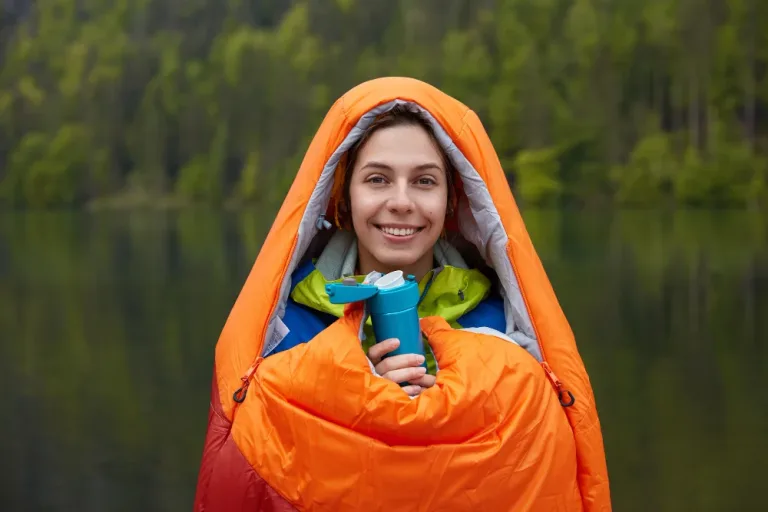
Your sleeping system becomes critical in cold weather. A sleeping bag rated well below the expected low temperature provides a safety margin. Sleeping bag liners add 10-15°F of warmth. Insulated sleeping pads with high R-values prevent heat loss to cold ground—this matters more than most people realize. Some campers use two pads stacked for extra insulation.
Hand and foot warmers provide quick relief from the cold. Hot water bottles placed inside sleeping bags create warm spots and help you fall asleep comfortably. A warm hat and sleeping in base layers retain body heat through the night.
Winter Clothing and Footwear
Layering becomes even more important in cold weather. Down or synthetic insulated jackets provide excellent warmth-to-weight ratios. Insulated pants or snow pants add leg warmth, which is often overlooked by beginners. Gloves, warm hats, and neck gaiters prevent heat loss from extremities.
Insulated boots rated for the expected temperatures keep feet warm. Bring extra socks and change them if they become damp from sweat. Gaiters keep snow out of boots when walking through deep snow.
Car Camping Gear List Essentials
Creating a comprehensive car camping gear list ensures you don't forget important items. Here's a checklist covering year-round essentials:
- Tent with rainfly and footprint
- Sleeping bags appropriate forthe season
- Sleeping pads or air mattresses
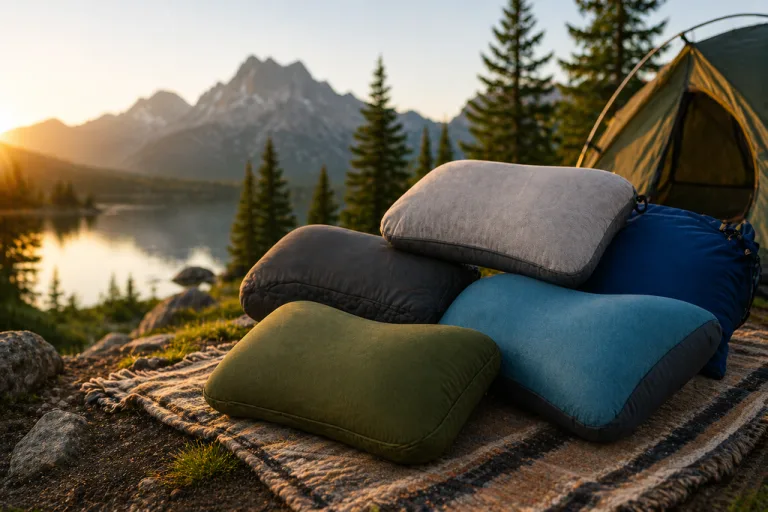
- Pillows and extra blankets
- Camp stove and fuel
- Cookware, utensils, and dishes
- Cooler with ice
- Water containers and filtration
- Headlamps and lanterns with extra batteries
- First aid kit
- Multi-tool or knife
- Fire starter and matches
- Duct tape and repair supplies
- Trash bags
- Toiletries and toilet paper
- Appropriate clothing layers
- Rain gear
- Sun protection
- Camp chairs and a table
- Entertainment items
Car Camping Safety Considerations
Weather and Environment Awareness
Checking weather forecasts before your trip and monitoring conditions during your stay prevents unpleasant surprises. The weather can change rapidly, especially in the mountains. Knowing when storms approach gives you time to secure your campsite or relocate if necessary.
Understanding seasonal hazards in your camping area keeps you safe. Summer brings thunderstorms, heat exhaustion risks, and increased insect activity. Winter camping involves hypothermia risks, shorter daylight hours, and potential for getting stuck in snow. Spring and fall feature unpredictable weather with possible temperature swings of 30-40°F between day and night.
Emergency Gear
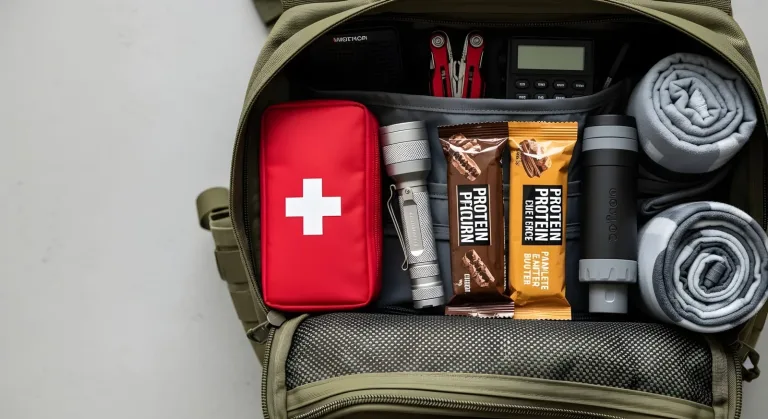
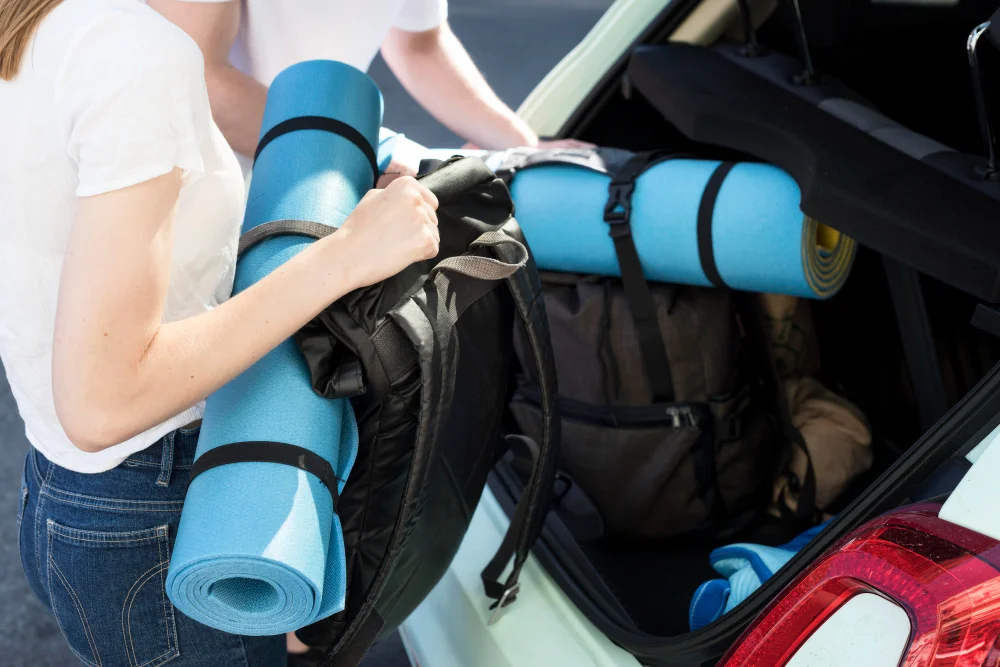
The best car camping gear includes items you hope never to use. A well-stocked first aid kit handles minor injuries and illnesses. Include any personal medications and know how to use everything in the kit. An emergency shelter, like a space blanket, provides backup if the primary shelter fails.
Communication devices ensure you can call for help if needed. Cell phones work in many campgrounds, but remote areas may have no signal. Consider a satellite communicator for true backcountry car camping. Keep your vehicle well-maintained with emergency supplies—jumper cables, spare tire, basic tools, and emergency food and water in the car.
Final Thoughts
Having the right car camping gear for all seasons transforms outdoor experiences from uncomfortable to enjoyable. The beauty of car camping lies in not needing to compromise on comfort or safety due to weight restrictions. You can bring quality equipment that keeps you warm, dry, and comfortable regardless of conditions.
Building your collection of gear for car camping takes time and investment. Start with essentials and add season-specific items as you camp more frequently throughout the year. Quality gear lasts for years when properly maintained, making initial investments worthwhile.