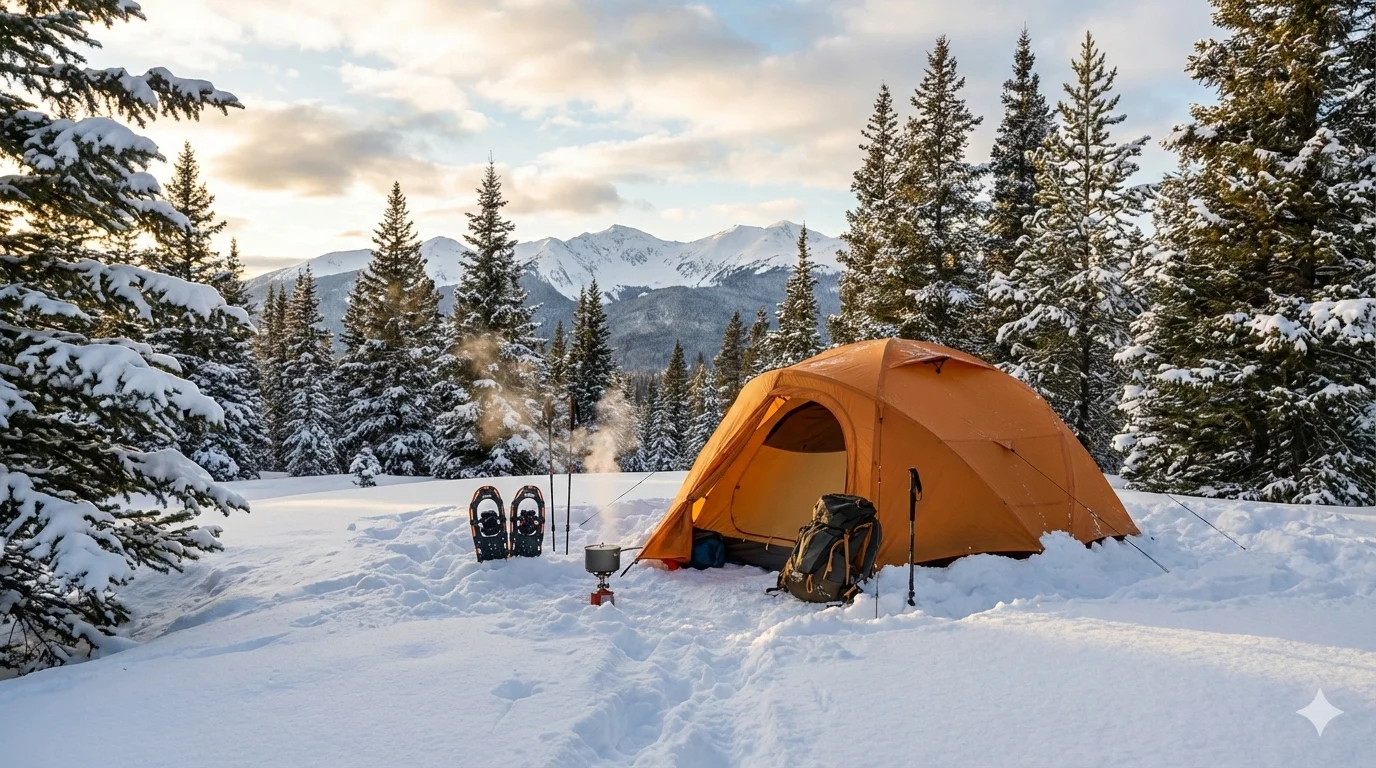


Winter tent camping offers a unique and rewarding experience that few outdoor enthusiasts take on. The quiet stillness of snow-covered landscapes, crisp air, and absence of crowds create an environment unlike any other season.
However, camping in a tent in the winter demands careful preparation, specialized gear, and knowledge of cold-weather safety. The stakes are higher in winter—mistakes that might cause mild discomfort in summer can become dangerous when temperatures drop below freezing.
Essential Gear for Winter Tent Camping
Camper's Pick
Best for a tent camping setup that handles genuine winter
Winter tent camping requires purpose-built gear — not just extra layers. A four-season tent with a geodesic pole structure, a sleeping bag rated to -20°F or lower, and a closed-cell foam pad under your inflatable are the three non-negotiables. REI's winter camping section covers all three with technical filters.
Winter Camping Tent Selection
Choosing the right winter camping tent makes the difference between a miserable night and a comfortable one. Four-season tents are specifically designed to handle snow loads, high winds, and extreme cold. These tents feature stronger poles, fewer mesh panels, and more robust fabric than three-season tents. The design sheds snow effectively and maintains structural integrity in wind.
However, true four-season tents aren't always necessary. Many winter campers successfully use quality three-season tents in moderate winter conditions. The key is understanding your tent's limitations. If you're camping below treeline in calm weather with light snow, a three-season tent may suffice. Exposed locations, heavy snow, or severe wind require proper winter tents for camping.
Choose a tent slightly larger than you might for summer camping. You'll store gear inside to prevent freezing, and the extra space prevents claustrophobia during long winter nights. A vestibule provides protected space for boots, packs, and cooking equipment.
Sleeping Systems for Winter Conditions
Your sleeping system represents the most critical component of winter tent camping gear. A sleeping bag rated at least 10-15°F below the expected low temperature provides a safety margin. The sleeping pad might be even more important—use one with an R-value of 4 or higher. Many winter campers stack two pads for extra insulation. Cold ground conducts heat away rapidly, and no amount of sleeping bag warmth compensates for a poor pad.
Sleeping bag liners add 10-15°F of warmth. A warm hat is non-negotiable—you lose significant body heat through your head. Some campers sleep in their base layers, while others prefer less clothing to avoid overheating and sweating.
Clothing and Layering Systems
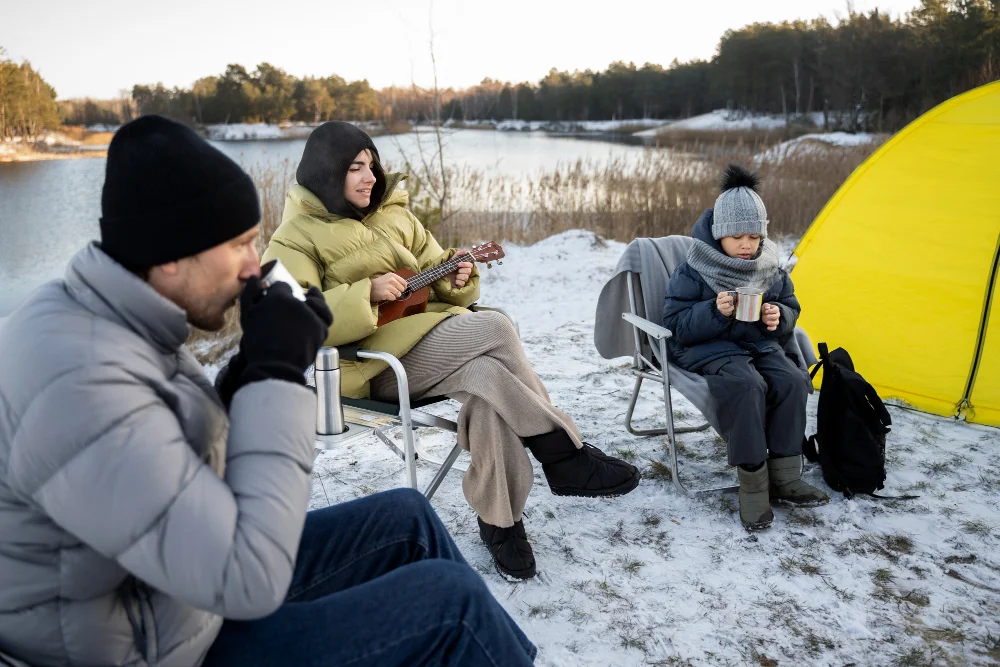
Proper layering is fundamental to winter tent camping success. Avoid cotton entirely—once wet, it provides no insulation. Use moisture-wicking base layers, insulating mid-layers like fleece or down, and weatherproof outer layers. Bring more layers than you think you'll need.
Winter boots must keep feet warm and dry while providing traction. Insulated boots rated for expected temperatures prevent cold feet that can ruin a trip. Gaiters keep snow out of boots. Pack extra socks and change them if they become damp. Gloves, mittens, and neck gaiters complete your cold-weather clothing system.
Cooking Gear for Winter Camping
Standard propane canister stoves lose efficiency or fail completely in freezing temperatures. Liquid fuel stoves that run on white gas perform reliably in extreme cold and are the preferred choice for serious winter tent camping. Bring more fuel than summer camping requires—melting snow for water consumes significant fuel, and cold weather reduces efficiency.
Wide-mouth bottles prevent drinking water from freezing. Store water bottles upside down—water freezes from the top, so an upside-down bottle remains drinkable even if ice forms. Some campers keep water bottles inside sleeping bags overnight to prevent freezing.
Winter Camping Safety Tips
Staying Warm and Dry
Managing moisture is critical for winter tent camping safety. Sweat soaks into clothing layers and reduces insulation while increasing heat loss. Adjust layers frequently to maintain a comfortable temperature without overheating. Remove layers before you start sweating, not after.
Wet gear becomes dangerous in freezing temperatures. Dry gloves, socks, and base layers overnight by sleeping with them. Start each day with dry clothing against your skin. Eat and drink regularly to maintain body heat—your body burns significantly more calories staying warm in cold weather. Dehydration impairs cold tolerance, so drink water even when you don't feel thirsty.
Managing Snow and Winter Hazards
Understanding snow conditions keeps you safe while camping in a tent in the winter. Avalanche awareness is absolutely necessary if you're camping in mountainous terrain. Take an avalanche safety course, check local forecasts, and avoid camping on or below avalanche-prone slopes.
Breaking trail through deep snow exhausts energy rapidly. Snowshoes or skis make travel feasible in deep snow. Building snow walls around your tent blocks wind and creates a more comfortable microclimate.
Recognizing and Preventing Cold Injuries
Essential winter camping safety knowledge includes:
- Frostbite affects exposed skin and extremities—fingers, toes, ears, nose, and cheeks
- Early frostbite signs include numbness, tingling, and pale or waxy skin
- Prevent frostbite by keeping extremities covered and avoiding tight clothing that restricts circulation
- Hypothermia occurs when core body temperature drops dangerously low
- Early hypothermia symptoms include uncontrollable shivering, confusion, and slurred speech
- Prevention includes staying dry, eating regularly, and avoiding exhaustion
- If hypothermia occurs, stop immediately, get into dry clothing, eat food, drink warm liquids, and get into shelter
- Severe hypothermia requires immediate medical attention
Winter landscapes look dramatically different from summer. Familiar trails become unrecognizable under snow. Bring detailed maps, a compass, and a GPS device. Travel during daylight hours whenever possible—winter days are short, so plan accordingly.
Setting Up Camp for Winter Conditions
Choosing the Right Campsite
Site selection matters enormously for winter tent camping. Look for natural windbreaks like stands of trees or terrain features that block prevailing winds. Avoid valley bottoms where cold air settles, creating significantly colder temperatures than higher ground.
Stay clear of hazards like dead trees that might drop limbs under snow weight, areas beneath cornices that could collapse, or anywhere with avalanche risk. Camp on compacted snow rather than fresh powder when possible. South-facing slopes receive more sun and tend to be warmer, but consider wind protection and safety when selecting your specific location.
Proper Ventilation and Condensation Management
Condensation becomes a major problem during winter tent camping. Your breath and body release moisture that condenses on cold tent walls, creating frost or water droplets that drip on you and your gear. Keep vents open even in extreme cold—proper ventilation prevents dangerous moisture buildup. Never fully seal your tent.
Never cook inside your tent unless it's specifically designed for internal cooking with proper ventilation. Carbon monoxide poisoning is a real risk and has killed campers. Cook in the vestibule with the tent open, or better yet, cook completely outside when conditions allow.
Tent Setup in Snow
Setting up camp quickly becomes more important in winter. Practice setup at home so you can do it smoothly in the field. Stomp down snow where your tent will sit to create a firm platform. Let it set for 30 minutes before pitching your tent—the snow compacts and hardens.
Use snow stakes or bury deadman anchors (stuff sacks filled with snow) for secure tent anchoring. Regular tent stakes don't hold well in snow. Create a vestibule area for gear storage and brush snow off clothing and gear before entering your tent to minimize interior moisture.
Preparing for Success
Winter tent camping rewards those who prepare thoroughly and respect the conditions. Success comes from understanding the unique challenges, investing in appropriate gear, and developing skills specific to cold-weather camping. Start with shorter trips close to your vehicle or civilization before attempting remote winter expeditions.
Test all gear before your trip, including setting up your tent in cold conditions. Inform someone of your plans and expected return. Pack a comprehensive winter first aid kit and bring communication devices. Know how to recognize and treat cold-weather injuries, and understand when to turn back or cut a trip short for safety.