

There's something special about spending a night under the stars, cooking over an open fire, and waking up to birdsong instead of alarm clocks. Camping offers a refreshing escape from daily routines and a chance to reconnect with nature. However, the difference between a memorable outdoor experience and a miserable one often comes down to preparation and having the right gear.
For those new to camping, knowing what to bring can feel overwhelming. Too much gear weighs you down and clutters your campsite, while too little leaves you uncomfortable or unprepared for unexpected situations. This guide covers the camping essentials for beginners that will set you up for success on your first trips into the wilderness.
Top 10 Camping Essentials Every Beginner Should Pack
Beginner Essentials Pick
Best for a no-stress introduction to camping gear
The ten camping essentials are the same whether you're car camping or backpacking — but the right versions differ significantly. REI's beginner section breaks down each essential by use case and budget, so your first kit is genuinely useful rather than generic.
Understanding what constitutes basic camping essentials for beginners helps you build a solid foundation for outdoor trips. These ten items represent the core gear every camper needs regardless of destination or season.
1. Tent and Shelter
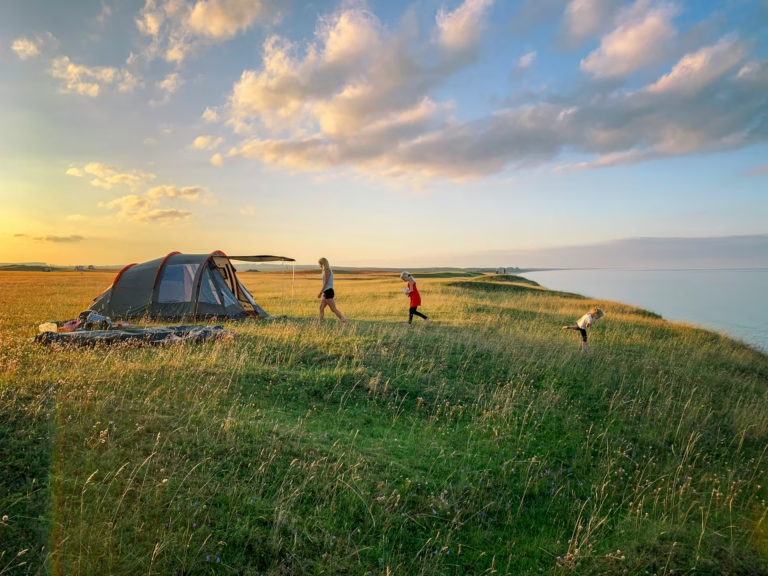
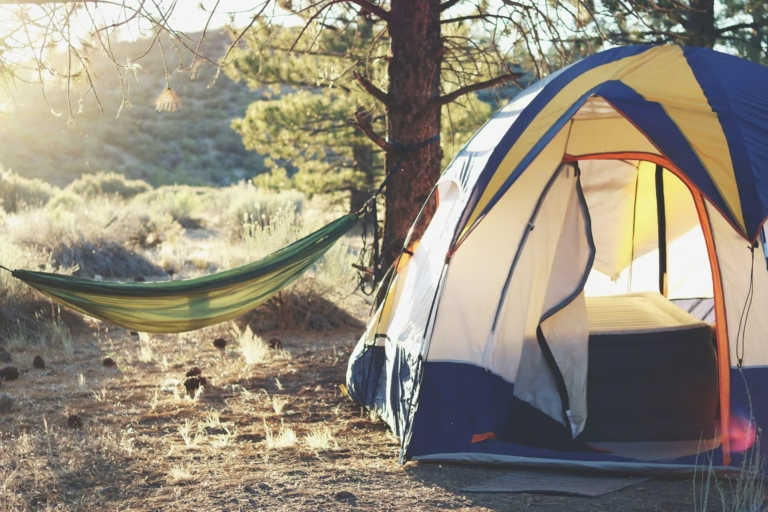
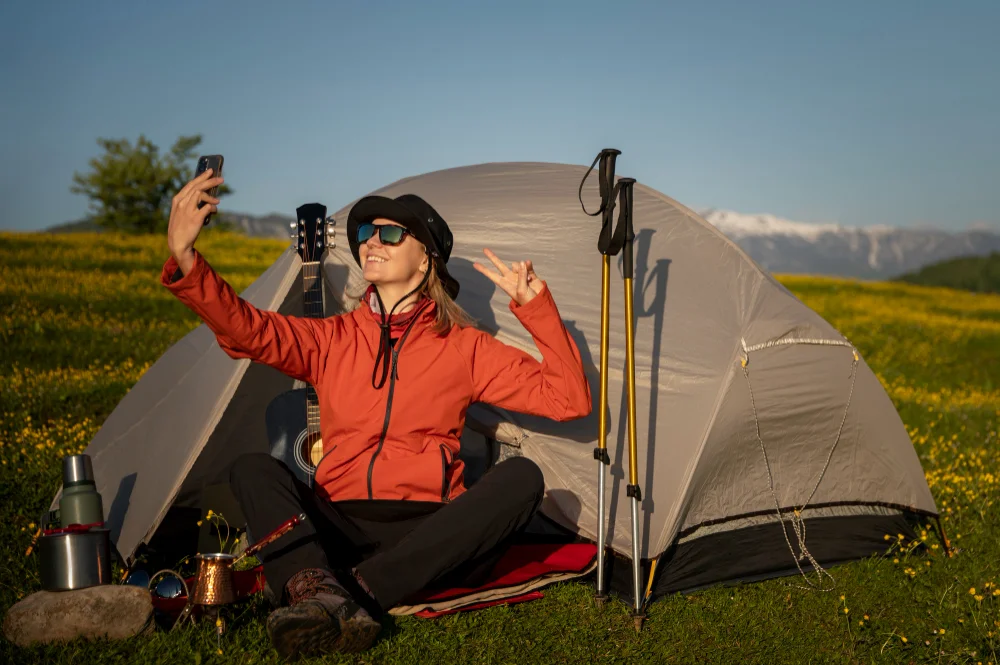
Your tent is your home away from home in the outdoors. For beginners, camping essentials, choose a tent that's easy to set up, weatherproof, and appropriately sized. A two-person tent works for solo campers who want extra space, while families need larger options.
Look for tents with simple pole systems and clear setup instructions. Practice pitching your tent at home before your trip so you're not struggling with unfamiliar equipment at the campsite in fading light. Make sure your tent includes a rainfly for weather protection and adequate ventilation to prevent condensation.
2. Sleeping Bag and Sleeping Pad
Quality sleep is critical for enjoying your camping trip. Your sleeping bag should be rated for temperatures lower than what you expect to encounter—it's better to be too warm than too cold. Sleeping bags come in different shapes, with rectangular bags offering more room and mummy bags providing better warmth retention.
Don't overlook the sleeping pad. Sleeping directly on the ground is uncomfortable and cold since the ground conducts heat away from your body. Foam pads are affordable and durable, while inflatable pads offer more comfort but require careful handling to avoid punctures.
3. Backpack or Hiking Pack
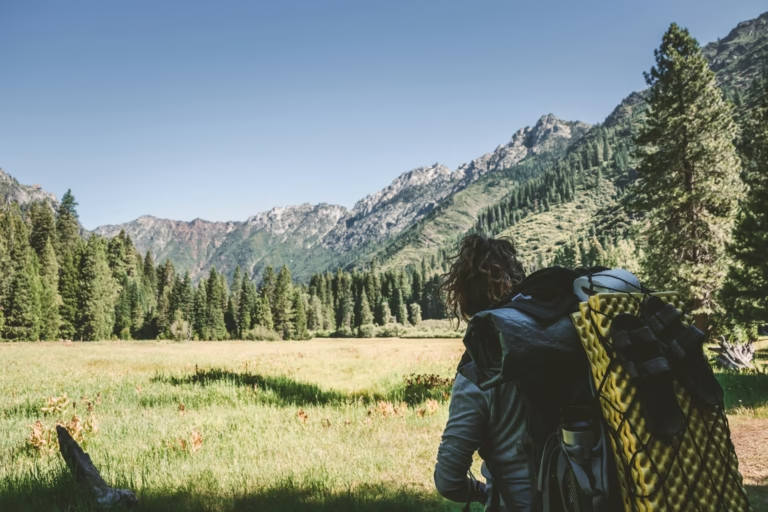
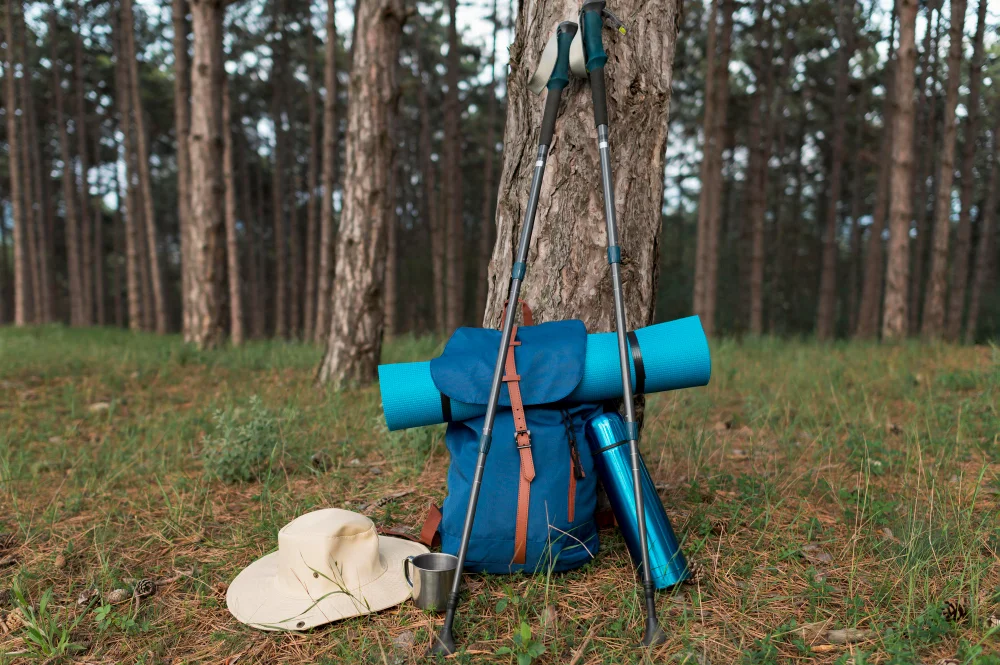
Even for car camping, you need something to carry gear from your vehicle to the campsite. For backpacking trips, your pack becomes one of the most important camping essentials for beginners. Choose a pack with appropriate capacity for your trip length—30-40 liters for day trips or weekend camping, 50-70 liters for longer expeditions.
Look for backpacks with padded shoulder straps, hip belts that transfer weight to your hips, and multiple compartments for organization. The fit matters tremendously—an ill-fitting pack causes discomfort and pain even with light loads.
4. Cooking Gear
Eating well in the outdoors requires appropriate cooking equipment. At minimum, you need a portable camp stove, fuel, cookware, utensils, plates or bowls, and cups. Simple two-burner propane stoves work well for car camping, while backpackers need lightweight single-burner systems.
A basic pot for boiling water, a pan for cooking, and a lightweight plate and utensil set cover most cooking needs. Don't forget matches or a lighter, and bring a small bottle of dish soap and a sponge for cleanup. These items form part of the essential camping gear for beginners that directly impact your comfort and nutrition.
5. Food and Water Storage
Proper food storage keeps your meals fresh and protects against wildlife. Coolers work for car camping, while backpackers need bear-resistant containers or bear bags in areas with active bear populations. Plan meals in advance and pack appropriately portioned ingredients to minimize waste and weight.
Water is heavy, so you typically can't carry everything you'll need for multi-day trips. Bring water bottles or hydration bladders plus a water filtration system or purification tablets. Even at established campgrounds, having backup water purification proves valuable.
6. Lighting and Navigation
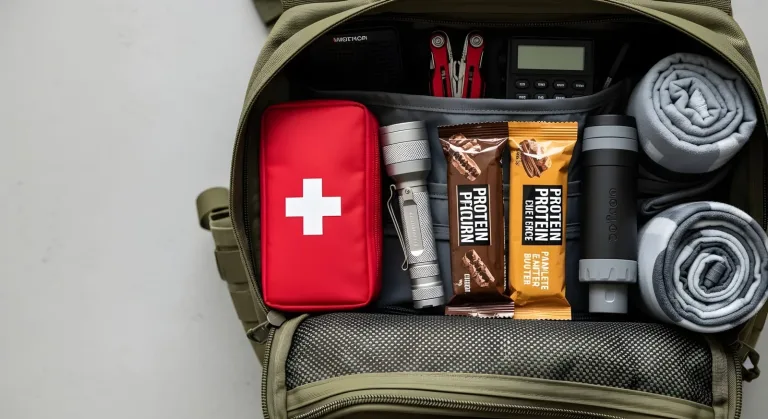
Once the sun sets, proper lighting becomes necessary for safety and convenience. Headlamps are superior to flashlights because they keep your hands free for tasks. Bring extra batteries or ensure your lamp is fully charged before leaving.
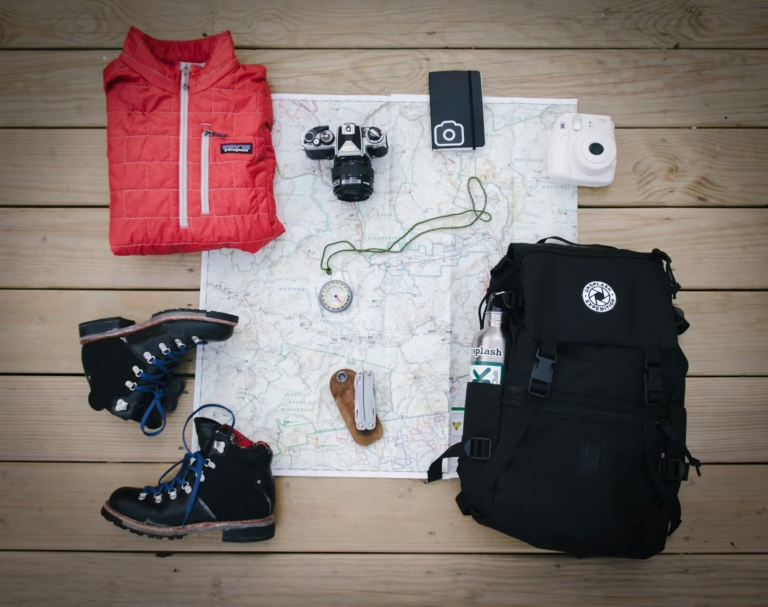
For navigation, basic camping essentials for beginners include a map of your camping area, a compass, and increasingly, a GPS device or smartphone with downloaded offline maps. Don't rely solely on your phone—batteries die, and electronics fail. Always carry backup navigation tools.
7. Clothing for All Conditions
Weather changes quickly in the outdoors. Layer your clothing so you can add or remove pieces as temperatures shift. The basic layering system includes a moisture-wicking base layer, an insulating mid-layer, and a waterproof outer shell.
Pack extra socks—keeping your feet dry prevents blisters and discomfort. Bring a warm hat and gloves,s even in summer, er since nights can be surprisingly cold. Sun protection,n including a hat with a brim, sunglasses, and sunscreen, is necessary year-round. Rain gear should be included in every packing list for camping essentials for beginners.
8. First Aid Kit
Accidents happen in the outdoors, often far from medical facilities. A well-stocked first aid kit addresses common camping injuries and illnesses. At minimum, include:
- Adhesive bandages in various sizes
- Gauze pads and medical tape
- Antiseptic wipes and antibiotic ointment
- Pain relievers and anti-inflammatory medication
- Tweezers for splinters
- Blister treatment
- Any personal medications you require
Pre-assembled first aid kits designed for camping save time and ensure you don't forget important items. Check your kit before each trip and replace used or expired supplies.
9. Multi-Tool or Knife
A quality multi-tool or fixed-blade knife serves countless purposes from food preparation to gear repairs. Multi-tools offering pliers, screwdrivers, can openers, and blades in one compact package provide maximum versatility. For camping essentials for beginners, a reliable multi-tool often proves more useful than a simple knife alone.
Learn how to use your knife or multi-tool safely. Keep blades sharp—dull blades are more dangerous because they require more force and are more likely to slip.
10. Fire Starter Kit
Even if your campsite has a fire ring, starting fires can be challenging, especially in damp conditions. Pack waterproof matches, a lighter, and fire starters like cotton balls soaked in petroleum jelly or commercial fire-starting cubes.
Include newspaper, dry tinder, and kindling if you're not confident about finding suitable materials at your campsite. Remember that in some areas during dry seasons, campfires may be prohibited due to fire danger. Always check regulations before your trip.
How to Organize and Pack Your Camping Gear Efficiently
Having the right camping essentials for beginners means nothing if you can't find them when needed or if your pack is so heavy you can barely lift it. Smart packing makes a significant difference in your camping experience.
Packing Tips for Beginners
Start by laying out all your gear before packing anything. This lets you see what you're bringing and reconsider items that might be unnecessary. Group items by category—cooking gear together, clothing together, sleeping gear together—which makes locating specific items easier at camp.
Pack items you'll need during the hike in accessible locations. Rain gear, snacks, water, and your map should be easy to reach without unpacking your entire bag. Items needed only at camp, like your sleeping bag and tent, can go deeper in your pack.
Use stuff sacks or compression bags to organize and compress soft items like clothing and sleeping bags. This creates more space and keeps things organized. Waterproof bags protect electronics and clothing from unexpected rain.
How to Maximize Space in Your Backpack
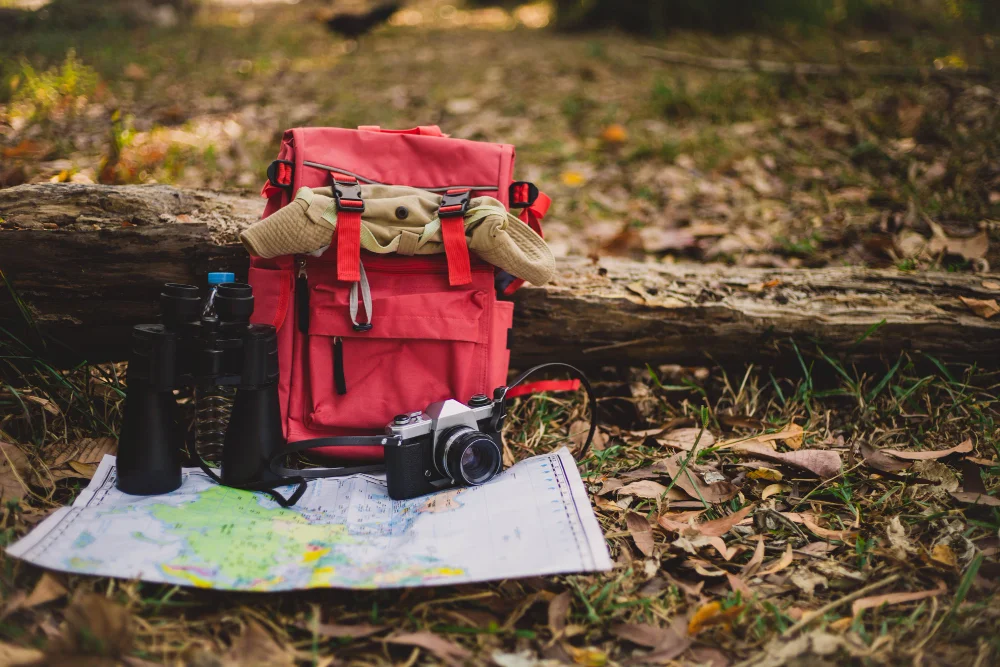
Strategic packing maximizes space while maintaining balance and comfort. Place heavy items close to your back and centered between your shoulder blades. This positioning keeps the weight over your hips, where it's easier to carry. Lighter items can go toward the outside of the pack and in the top or bottom sections.
Fill empty spaces with soft items like clothing. Stuff socks inside cooking pots or shoes to use every bit of available space. Attach items like sleeping pads to the outside of your pack if internal space is limited, but be cautious about having too many external attachments that can catch on branches or throw off your balance.
Create a packing list for camping essentials for beginners that you use for every trip. After each camping experience, update the list based on what you actually used and what you wished you had brought. Over time, you'll develop a personalized system that works perfectly for your needs.
Conclusion
Success in camping starts with having the right gear and knowing how to use it. The camping essentials for beginners covered in this guide—tent, sleeping bag and pad, backpack, cooking gear, food and water storage, lighting and navigation, appropriate clothing, first aid kit, multi-tool, and fire starter—form the foundation for comfortable and safe outdoor experiences.
As you gain experience, you'll refine your gear choices and discover personal preferences. Some campers prefer minimalist setups while others enjoy bringing extra comfort items. The key is starting with these essential camping gear items for beginners and building from there.