

Choosing the right tent can make or break your family camping experience. A quality family tent provides shelter, comfort, and a sense of home in the outdoors. It protects against the weather, offers privacy for changing and sleeping, and creates a cozy gathering space when outdoor activities pause. However, not all tents are created equal, and what works for solo backpackers or couples rarely meets the needs of families with children.
Finding the best tent for family camping requires understanding which features truly matter when you're managing kids, gear, and the unpredictability of outdoor life. The right tent balances spaciousness with portability, durability with affordability, and ease of setup with weather protection. This guide helps families identify the features that matter most and choose tents that will serve them well across many camping trips.
Essential Features Every Family Tent Should Have
When evaluating the best camping tents for families, certain features consistently prove valuable across different camping styles and destinations.
Camper's Pick
Best for a tent your whole family will actually fit in comfortably
The best family camping tent has a near-vertical wall design, a large vestibule for muddy boots, and enough ceiling height to change clothes without crouching.
- Oakley Shop family camping equipment at Oakley
- Mountain Hardwear Shop family camping equipment at Mountain Hardwear
- Columbia Sportswear Shop family camping equipment at Columbia Sportswear
- Sorel Shop family camping equipment at Sorel
- Garmin Shop family camping equipment at Garmin
Spacious Interior with High Ceiling
Space matters tremendously in family tents. Children need room to move around, store toys, and play during bad weather. Adults need space to change clothes comfortably and organize gear without everything piling on top of each other. Look for tents sized larger than you think necessary—a six-person tent comfortably sleeps four people with gear.
Peak height affects how comfortable the tent feels. Tents with center heights of at least six feet allow adults to stand upright, making changing clothes and moving around much easier. This feature becomes particularly valuable during rainy days when everyone spends extended time inside.
Multiple Rooms or Dividers
Privacy matters when camping with kids. The best tents for family camping often feature separate rooms or removable dividers creating distinct sleeping areas. Parents appreciate having their own space separate from children, while older kids value privacy from younger siblings.
Room dividers also help with organization. One room can serve as a sleeping area while another functions as a gear storage or play space. This separation keeps the tent more organized and prevents everyone from living in one chaotic pile of sleeping bags and belongings.
Easy Setup and Take-Down
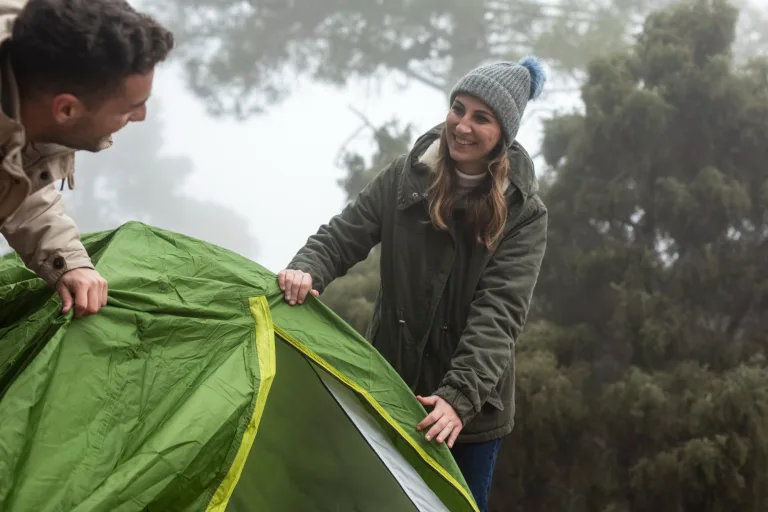
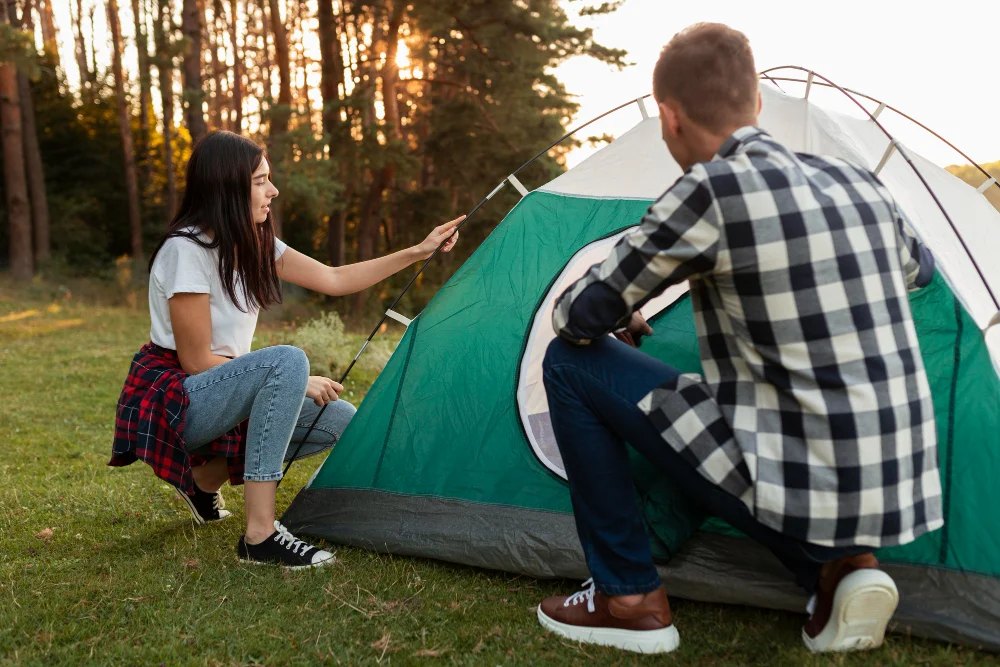
Setting up camp with children around requires tents that go up quickly and intuitively. Complex pole systems frustrate tired parents while kids impatiently ask when they can go play. Color-coded poles, clip-on attachments, and clear instructions make setup manageable even for camping newcomers.
Consider how many people are needed for setup. Some large family tents require two adults working together, which can be challenging if you're camping solo with kids. The best family tents for camping balance size with a manageable solo setup when necessary.
Durability and Weather Resistance
Family tents endure harder use than adult tents. Kids zip and unzip doors repeatedly, drop things on fabric, and lean against walls. Quality materials and reinforced stress points ensure tents survive years of family use.
Weather protection proves critical for comfort and safety. Full-coverage rainflies that extend to the ground prevent wind-driven rain from entering. Bathtub-style floors with raised edges keep water from seeping in during storms. Sealed seams prevent leaks at stitching points where water otherwise penetrates.
Ventilation and Airflow
Poor ventilation leads to condensation, stuffiness, and uncomfortable sleeping conditions. The best tent for family camping includes multiple mesh windows and ceiling vents that can be opened or closed based on conditions. Cross-ventilation prevents condensation buildup that dampens sleeping bags and makes everything feel clammy.
Mesh doors and windows also provide bug protection while maintaining airflow. Being able to keep doors open for a breeze without letting mosquitoes in makes camping infinitely more pleasant, especially in warm weather.
Storage Space and Organizational Features
Families accumulate gear—toys, clothes, cooking equipment, and countless other items that need organized storage. Interior pockets keep flashlights, phones, and small items accessible without cluttering floor space. Gear lofts suspended from tent ceilings hold items you want off the ground but within reach.
Vestibules—covered areas outside the main tent but under the rainfly—provide mudroom space for storing dirty shoes, wet clothes, or camping equipment you want protected from weather but not inside living spaces. Large vestibules significantly enhance organization and cleanliness.
Stability and Wind Resistance
Strong winds can destroy poorly designed tents. Look for geodesic or semi-geodesic pole structures that distribute wind loads effectively. Stakes and guy lines properly positioned provide stability in various wind conditions. The best camping tents for families maintain structural integrity even when the weather turns challenging.
Freestanding tents that hold their shape without stakes offer setup flexibility and easy repositioning. However, always stake tents properly regardless of design—sudden storms can turn unstaked tents into tumbleweeds rolling across campgrounds.
Types of Family Tents for Different Camping Needs
Different tent designs suit different camping styles and family preferences.
Quick overview





Dome Tents
Dome tents feature arched poles crossing at the top, creating rounded structures. These designs shed wind and rain effectively while maximizing interior space relative to the floor footprint. Dome tents typically offer good stability and straightforward setup, making them popular choices for the best tent for family camping.
However, dome tents often have sloped walls that reduce usable space near the edges. The rounded shape may also limit headroom except at the center. These trade-offs are acceptable for many families given the other benefits domes provide.
Cabin Tents
Cabin tents feature near-vertical walls and flat roofs, maximizing interior volume and headroom. These designs feel most like actual rooms, with space to move comfortably throughout the entire floor area. Many cabin-style tents include room dividers and are specifically designed as the best tents for family camping.
The downside is that cabin tents catch wind more than dome designs and typically require more time and effort to set up properly. They also tend to be heavier and bulkier than other designs, making them better suited for car camping than backpacking.
Tunnel Tents
Tunnel tents use parallel hoops creating long, tube-like structures. These designs offer excellent space efficiency and good headroom throughout. Tunnel tents work particularly well for larger families needing maximum interior volume.
Setup requires proper orientation into prevailing winds for stability. Tunnel tents also typically require staking before they become fully rigid, unlike freestanding designs. Despite these considerations, many families find tunnel tents among the best family tents for camping due to their spaciousness.
Instant/Quick Setup Tents
Instant tents feature pre-attached poles and simplified deployment mechanisms. Some designs pop up in seconds while others unfold and lock into place in minutes. These tents prioritize convenience, making them attractive options when camping with impatient children.
The trade-off is that instant tents sometimes sacrifice durability or weather resistance compared to traditional designs. They also tend to be heavier and bulkier when packed. However, for families who camp frequently and value setup speed, instant tents can be the best tent for family camping despite minor compromises.
Tips for Maintaining Comfort and Safety in Your Family Tent
Choosing the right tent is only part of creating positive camping experiences. How you use and maintain that tent affects comfort and longevity.
Keeping Kids Safe and Entertained
Establish tent rules from the first camping trip. No running or rough play inside tents prevents damage and injuries. Teach children to zip doors carefully without catching fabric. Make unzipping and zipping doors a game where kids practice the correct technique.
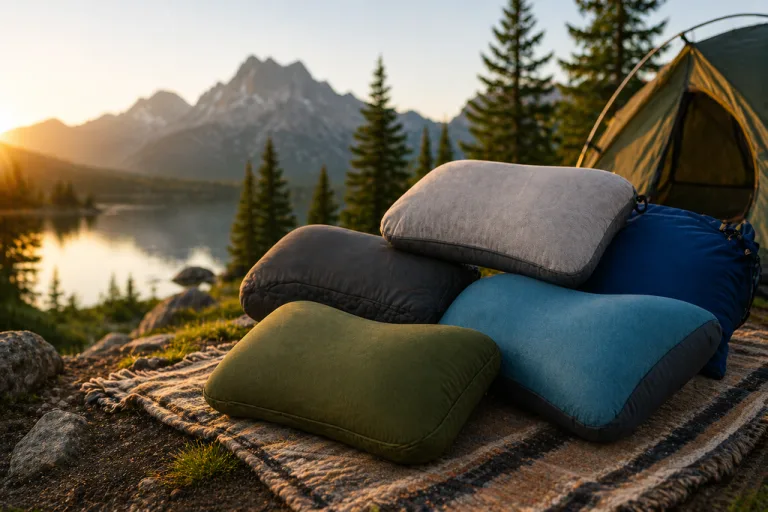
Create designated spaces within the tent for different activities. A reading corner with sleeping pads and pillows provides a quiet space. A play area with toys keeps entertainment contained. Clear organization prevents tripping hazards and helps kids find their belongings.
Bring battery-powered lanterns rather than relying solely on headlamps. Ambient lighting makes the tent feel cozier and reduces shadows that might frighten young children at bedtime. Glow sticks provide gentle nightlights while also entertaining kids.
Staying Warm and Dry
Proper tent site selection affects comfort significantly. Choose level ground free from rocks and roots. Avoid low spots where water might pool during rain. Clear the area of sticks and debris that could puncture the tent floors.
Use a ground cloth or footprint under your tent to protect the floor from abrasion and moisture. This extra layer significantly extends tent life while improving insulation. Inside the tent, sleeping pads provide insulation from cold ground—never sleep directly on tent floors even in summer.
Protecting Your Tent from Damage
Practice setup at home before camping trips. Familiarity with your tent's system prevents frustration and mistakes that could damage materials. Knowing exactly how your tent goes together also speeds setup at the campsite.
Clean tents thoroughly after trips before storing them. Dirt, tree sap, and other residues degrade materials over time. Set up tents at home to dry completely before storage—putting away damp tents leads to mildew and material degradation. Store tents loosely rather than compressed tightly for extended periods.
Conclusion
Selecting the best tent for family camping requires carefully evaluating features that directly impact comfort, convenience, and safety. Spacious interiors with high ceilings, multiple rooms for privacy, easy setup systems, durable weather-resistant materials, effective ventilation, smart storage solutions, and stable designs that withstand wind represent the most valuable features families should prioritize.
Different tent styles—domes, cabins, tunnels, and instant designs—each offer distinct advantages. The best camping tents for families balance these various features based on specific needs, including the number of children, camping locations, frequency of use, and budget constraints.