

When the sun sets at your campsite, reliable lighting transforms from luxury to necessity. Whether you're cooking dinner, reading in your tent, navigating to the bathroom, or simply enjoying evening conversations around camp, adequate lighting ensures safety, comfort, and functionality. Poor lighting leads to accidents, frustration, and diminished enjoyment of your outdoor experience.
A quality camping lamp provides illumination exactly when and where you need it. The right light helps you set up camp before darkness falls, prevents stumbles over tent stakes during midnight bathroom runs, and creates cozy ambiance for evening gatherings. With countless options available, understanding what features matter most helps you choose lighting that meets your specific camping needs without wasting money on unnecessary bells and whistles.
Key Features to Look for in the Best Camping Lamp
Evaluating camping lamps requires examining several important characteristics that determine performance, convenience, and longevity.
Camper's Pick
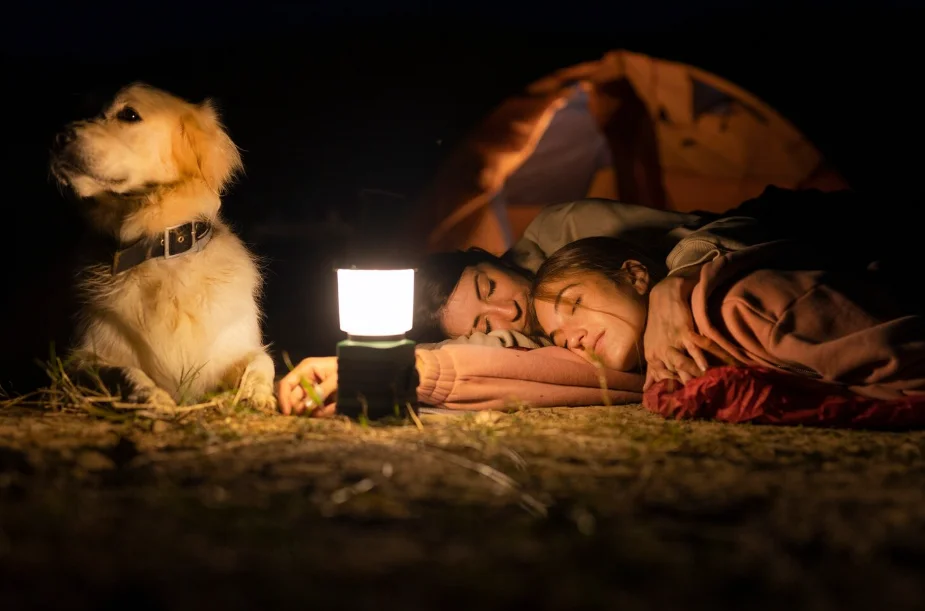
Best for camp lighting that won't keep the whole site awake
The right camp light depends on how you use it: a high-lumen lantern for the cooking area, a rechargeable headlamp for nighttime trips to the bear box, and a low-mode reading light for the tent.
- Oakley Shop camping equipment at Oakley
- Mountain Hardwear Shop camping equipment at Mountain Hardwear
- Columbia Sportswear Shop camping equipment at Columbia Sportswear
- Sorel Shop camping equipment at Sorel
- Garmin Shop camping equipment at Garmin
Brightness and Light Output
Brightness, measured in lumens, determines how much area your camping lamp illuminates. Higher lumens create brighter light covering larger spaces, while lower lumens provide gentler illumination for reading or ambient lighting.
Most camping lamps offer 100-1000 lumens. Around 100-200 lumens works for reading or lighting small tent interiors. 300-500 lumens suits general campsite lighting for cooking and camp tasks. 500+ lumens illuminates larger areas or serves group camping needs.
The best camping lamp provides adjustable brightness levels, allowing you to dial down intensity when full power isn't needed. Multiple brightness settings conserve battery life and prevent excessive glare when you only need gentle lighting.
Power Source Options
Camping lamps use various power sources, each with advantages and limitations. Battery-powered lamps using disposable batteries offer reliability and simple operation—when batteries die, you swap in fresh ones. However, disposable batteries create environmental waste and ongoing costs.
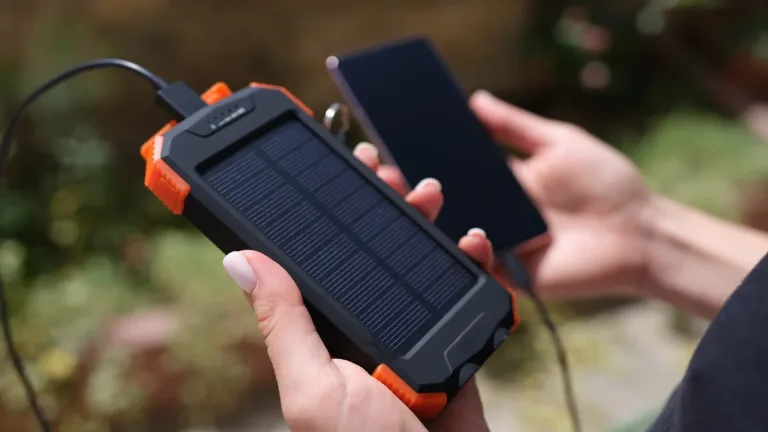
A rechargeable camping lamp eliminates disposable battery waste while reducing long-term costs. USB charging makes recharging convenient from power banks, car chargers, or solar panels. Some models include built-in solar panels for off-grid charging, though these typically charge slowly and require direct sunlight.
Hybrid models accepting both rechargeable and disposable batteries provide maximum flexibility. You can use rechargeable batteries normally, but carry disposable backups for emergencies when recharging isn't possible.
Durability and Weather Resistance
Camping environments subject gear to drops, bumps, rain, dust, and temperature extremes. A camping lamp needs a construction that withstands these conditions without failing.
Look for impact-resistant housings that survive drops onto rocks or hard ground. Rubberized exteriors provide shock absorption and secure grip even when wet. Water resistance ratings indicate protection levels—IPX4 resists splashing from any direction, IPX7 survives temporary submersion.
Portability and Size
Weight and packed size affect how easily you transport your camping lamp. Car campers can accommodate larger, heavier lamps without concern, while backpackers need compact, lightweight options that don't burden already heavy packs.
Collapsible designs minimize packed size. Some lamps compress to smaller profiles for transport, then expand to full size for use. Hanging hooks, built-in magnets, or integrated handles enhance portability and placement options.
Consider whether you'll carry the lamp frequently or if it will mostly remain at camp. Frequent movement requires comfortable carrying features, while stationary use prioritizes brightness and runtime over portability.
Battery Life and Charging Options
Runtime determines how long your camping lamp operates before requiring recharging or battery replacement. Specifications typically list runtime at different brightness levels—maximum brightness drains batteries much faster than lower settings.
Quality camping lamps provide 4-6 hours at the highest brightness and 20-50+ hours at the lowest settings. These ranges accommodate multi-day trips without recharging if you manage brightness appropriately.
Ease of Use and Versatility
Simple controls allow operation even in darkness or while wearing gloves. Large, clearly marked buttons beat tiny switches or confusing sequences. Memory functions that remember your last-used brightness setting prevent having to cycle through modes to find your preferred level.
Versatile mounting options expand how you can use your camping lamp. Hanging hooks suspend lamps from tent ceilings or tree branches. Magnetic bases attach to metal surfaces. Stable bases prevent tipping when placed on tables or the ground. Removable sections that become flashlights or detachable light panels add functionality.
Types of Camping Lamps to Consider
Different lamp styles suit different camping situations and preferences.
LED Camping Lamps
LED technology dominates modern camping lighting due to efficiency, brightness, and longevity. An LED camping lamp consumes less power than incandescent alternatives while producing more light and generating minimal heat. LEDs also withstand impacts better than fragile filament bulbs.
Color temperature affects ambiance—warm white (2700-3000K) creates cozy, traditional campfire-like lighting while cool white (5000-6500K) provides bright, functional task lighting. Some camping lamps offer adjustable color temperature, letting you choose based on activity and preference.
Lantern-Style Camping Lamps
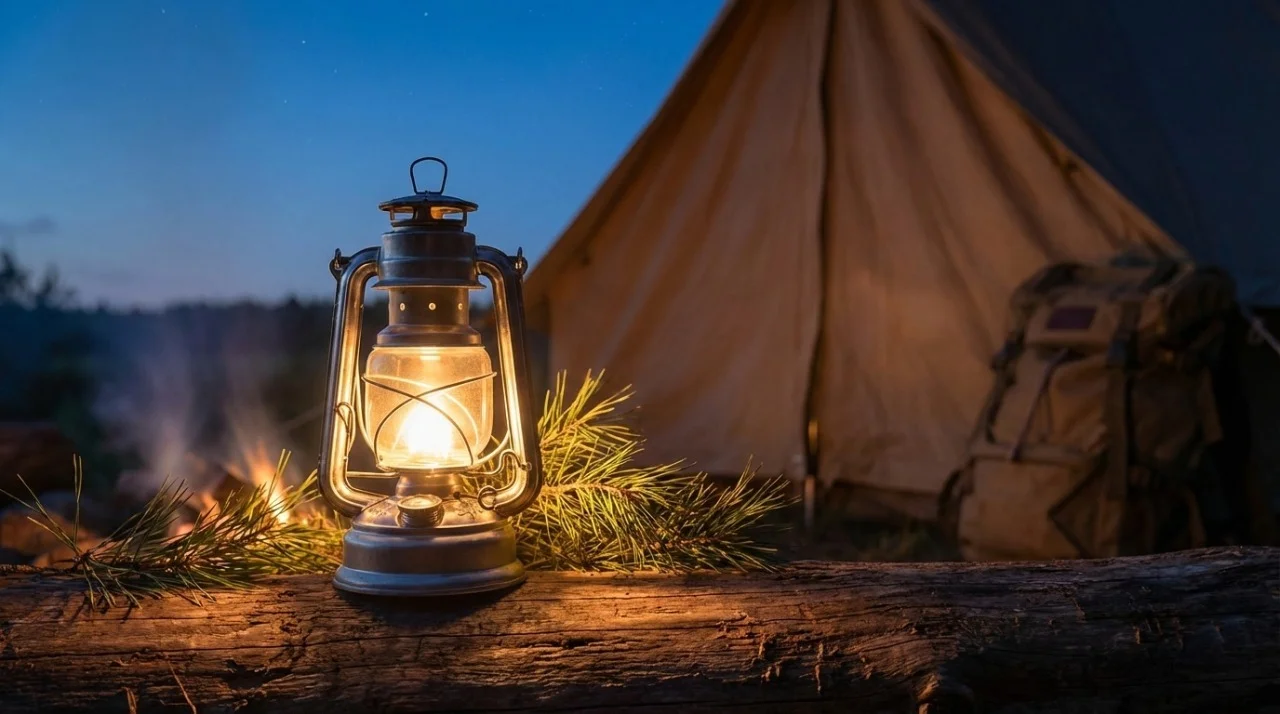
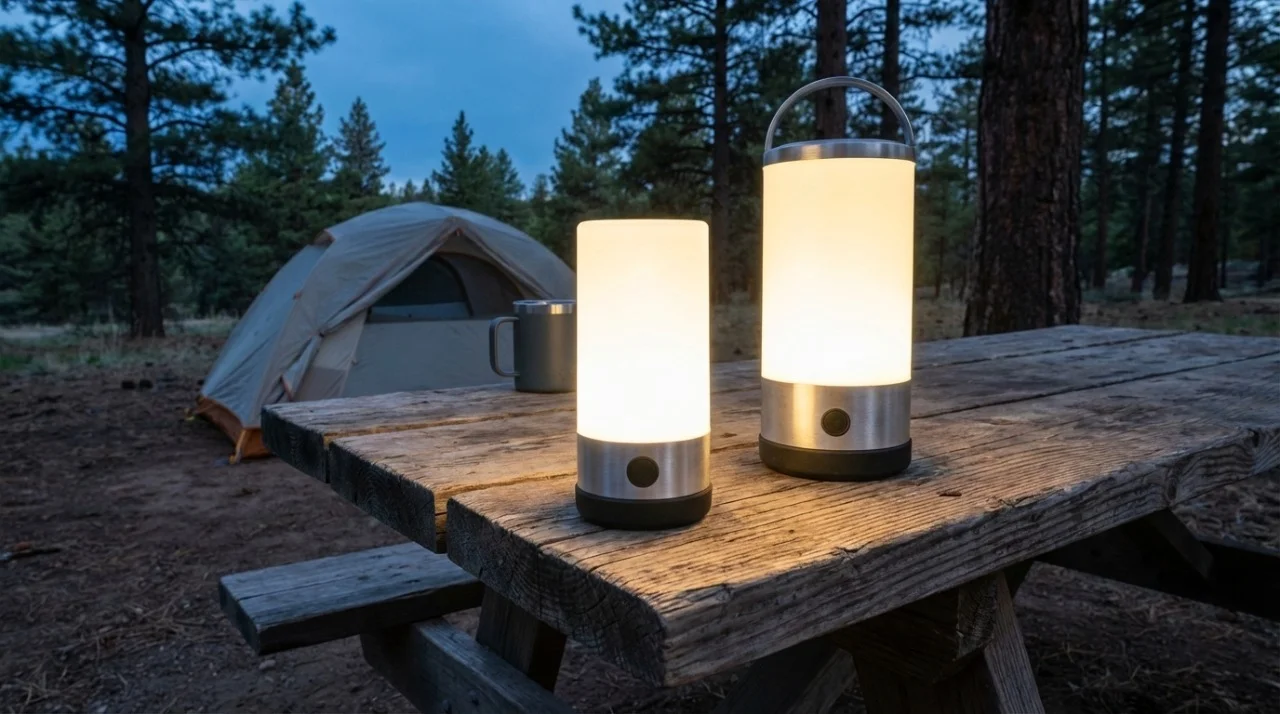
Traditional lantern designs with 360-degree light distribution illuminate entire areas equally. These work excellently as central camp lights placed on tables where everyone gathers. Lantern-style lamps typically provide the best camping lamp option for group settings and general campsite illumination.
Many lanterns include handles for carrying and hanging, plus stable bases for tabletop use. Collapsible models reduce packed size while maintaining full brightness when deployed.
Headlamps and Personal Lighting
While not technically camping lamps, headlamps deserve mention as complementary lighting. Headlamps keep your hands free while directing light exactly where you look. They're perfect for tasks requiring both hands, like cooking or tent setup.
Most campers benefit from having both a central camping lamp for campsite lighting and personal headlamps for individual tasks and nighttime navigation.
Rechargeable vs. Disposable Battery Lamps
The choice between rechargeable and disposable battery power significantly affects long-term costs and convenience. Disposable battery lamps offer unlimited runtime as long as you carry spare batteries—you're never stuck waiting for recharging. However, batteries add weight and create environmental waste.
Rechargeable models eliminate disposable battery costs and waste. A quality rechargeable camping lamp pays for itself after a few trips compared to buying disposable batteries. However, recharging requires power sources that might not be available during remote backcountry trips.
How to Choose the Best Camping Lamp for Your Needs
Selecting the right camping lamp depends on your specific camping style and requirements.
Match the Lamp to Your Camping Style
Car campers can prioritize features like maximum brightness and long runtime without worrying about weight. Larger, heavier lamps with more features make sense when you're not carrying them on your back. Multiple lamps—one for the picnic table, one for the tent, another near the cooking area—enhance comfort without burdening your pack.
Backpackers need lightweight, compact options where every ounce matters. A single multi-purpose camping lamp that serves both tent lighting and camp lighting makes more sense than carrying multiple specialized lights. Brightness and features take a back seat to weight savings.
Consider Your Group Size and Lighting Needs
Solo campers or couples need less total lighting than families or large groups. A single 200-300 lumen camping lamp might suffice for two people, while groups benefit from 500+ lumens or multiple lamps creating adequate illumination throughout the campsite.
Think about simultaneous lighting needs. If some people will be cooking while others read in the tent, you need either multiple lamps or one extremely bright central lamp that illuminates the entire camp adequately.
Quick overview





Choosing Based on Specific Features
Create a priority list of features most important for your camping situations:
Prioritize brightness if:
- You camp with large groups needing extensive coverage
- You frequently perform detailed tasks after dark
- Your camping activities extend well into the evening
Prioritize battery life if:
- You take extended trips without recharging access
- You want to minimize the weight of spare batteries
- You prefer setting up camp lighting once, without constantly adjusting it
Prioritize durability if:
- You camp in harsh weather conditions frequently
- You have children who may be rough with gear
- You participate in active camping with lots of gear movement
Prioritize portability if:
- You backpack or hike to remote campsites
- You need to carry lamps during nighttime navigation
- Your packing space is extremely limited
For most campers, the best camping lamp balances these priorities rather than excelling in just one area. A moderately bright, reasonably durable, rechargeable lamp with decent runtime serves general camping needs better than specialized lights optimized for specific scenarios.
Conclusion
Choosing the best camping lamp requires balancing brightness, battery life, durability, portability, and features against your specific camping needs and style. LED technology provides efficient, bright, long-lasting illumination, making it the standard for modern camping lamps. Rechargeable lamp options reduce environmental impact and long-term costs while providing performance equal to or better than disposable battery alternatives.
Consider your typical camping scenarios—car camping versus backpacking, solo trips versus group outings, weekend getaways versus extended expeditions—and select lighting that matches these patterns. Features like adjustable brightness, multiple mounting options, weather resistance, and easy operation enhance user experience and ensure your camping lamp serves you well across various situations.