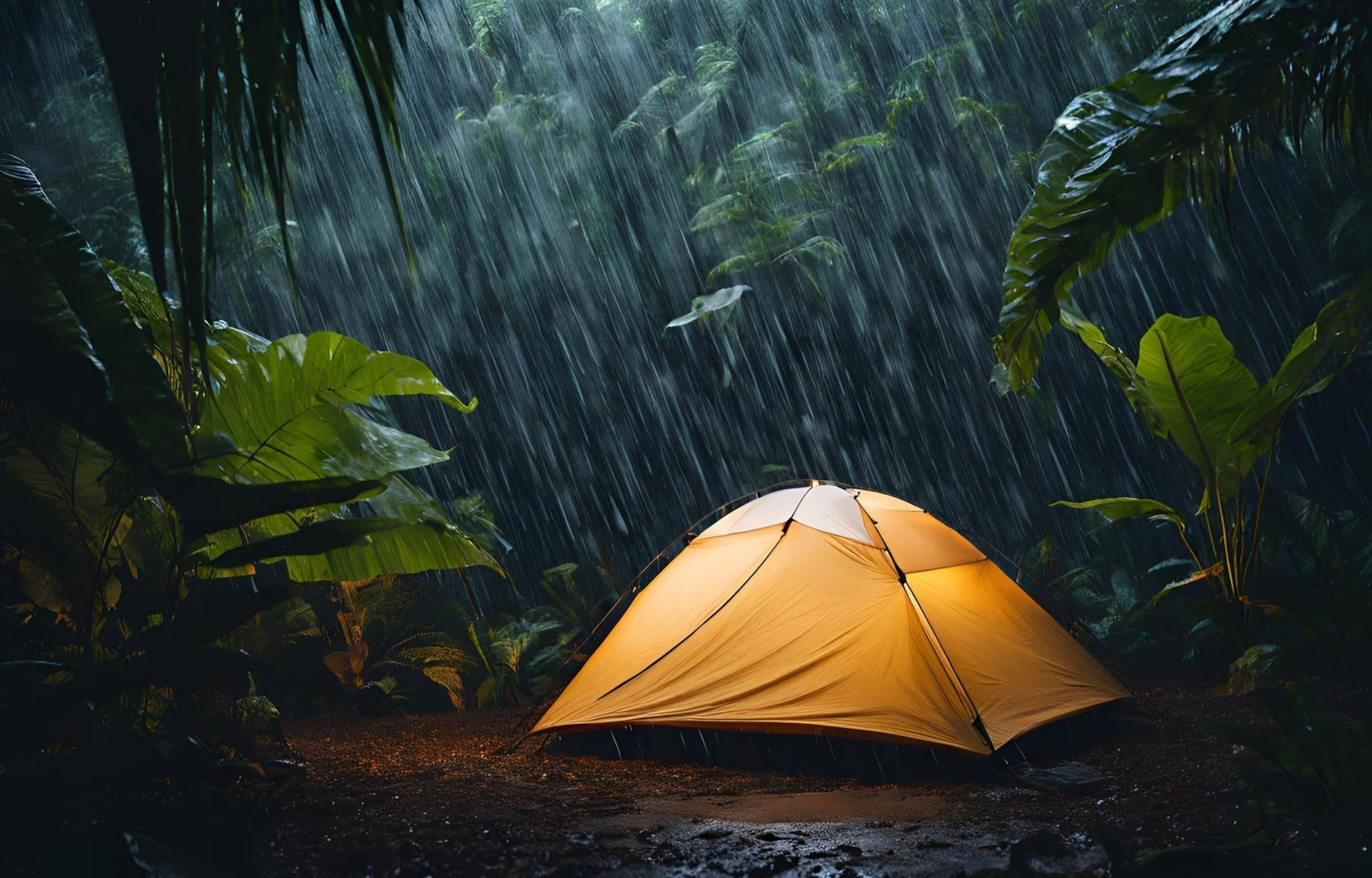


Rain doesn't have to ruin your camping trip. Sure, nobody dreams of setting up a tent in a downpour, but weather happens. The difference between a miserable wet weekend and a surprisingly enjoyable one often comes down to preparation. With the right gear and know-how, you can stay comfortable even when the skies open up.
These tips for camping in the rain will help you stay dry, keep your gear protected, and actually enjoy your time outdoors despite the weather. Whether you're caught by surprise or knowingly camping during the rainy season, this guide covers everything you need to make it work.
Why It's Important to Be Prepared for Rainy Camping
Camper's Pick
Best for staying genuinely dry when the skies open
Rain camping is a gear problem first and a mindset problem second. A tent with a full-coverage rain fly, a waterproof stuff sack for your sleeping bag, and sealed seam gear keep everything dry regardless of forecast.
- Oakley Shop camping gear at Oakley
- Mountain Hardwear Shop camping gear at Mountain Hardwear
- Columbia Sportswear Shop camping gear at Columbia Sportswear
- Sorel Shop camping gear at Sorel
- Garmin Shop camping gear at Garmin
Wet camping isn't just uncomfortable—it can be dangerous. Hypothermia can occur even in relatively mild temperatures if you're soaked and can't get dry. Wet gear weighs more, clothes lose their insulating properties, and morale drops fast when everything you own is damp.
Being prepared means more than just hoping for the best. It means having waterproof gear, knowing proper setup techniques, and understanding how to manage moisture. The camping tips for rain outlined here will keep you safe and comfortable regardless of what the weather throws at you.
Essential Gear for Camping in the Rain
Waterproof Tent and Shelter
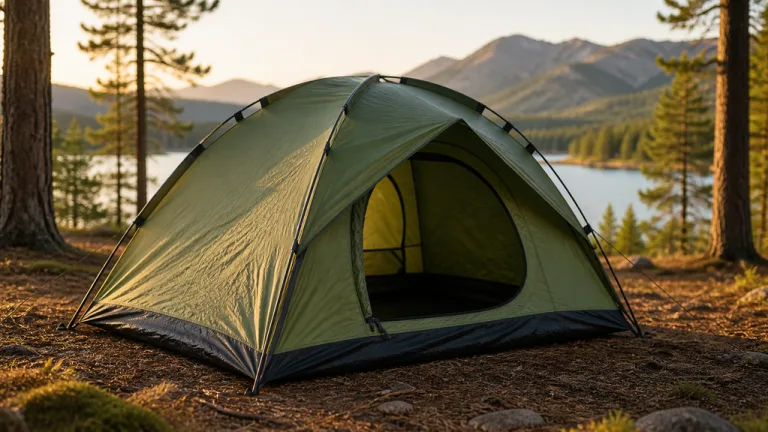
Your tent is your first line of defense. Make sure it has a full-coverage rainfly that extends close to the ground without touching the tent body. The waterproof rating should be at least 1,500mm for the fly and 3,000mm for the floor. Check that all seams are sealed—this is often overlooked but makes a huge difference.
Set up a tarp over your tent for extra protection. Position it so water runs away from your shelter, not toward it. A well-placed tarp also creates a dry area where you can cook, organize gear, or just sit without getting soaked.
Waterproof Clothing and Footwear
Quality rain gear is non-negotiable. You need a waterproof jacket with a hood and waterproof pants, not just water-resistant versions. Look for taped seams and adjustable cuffs to keep water out. Pack extra dry clothes in waterproof bags—you'll want something dry to change into.
Waterproof hiking boots keep your feet dry, but they're not enough in heavy rain. Water running down your legs will eventually soak into the boots from the top. Gaiters solve this problem by covering the gap between your pants and boots. They're one of the best tips for camping in the rain that many people overlook.
Dry Bags and Waterproof Storage
Everything you want to keep dry needs to be in waterproof storage:
- Dry bags: Roll-top bags in various sizes for clothes, sleeping bags, and electronics
- Ziplock bags: Great for smaller items like matches, first aid supplies, and snacks
- Trash bags: Cheap insurance for sleeping bags and clothing inside your pack
- Waterproof stuff sacks: For items you need to access frequently
Double-bag anything that absolutely cannot get wet. Electronics, sleeping bags, and dry clothes deserve extra protection. Your phone, headlamp batteries, and fire-starting materials should be in waterproof containers.
Footwear Protection and Gaiters
Wet feet make for miserable camping. Beyond waterproof boots, bring camp shoes or sandals for wearing around camp. You need something dry to change into after hiking. Some campers bring cheap plastic clogs specifically for rainy conditions.
Gaiters attach to your boots and extend up your calves, creating a barrier that prevents water from running into your footwear. They also keep mud and debris out. For serious rain camping, they're worth every penny.
Cooking Equipment and Gear Protection
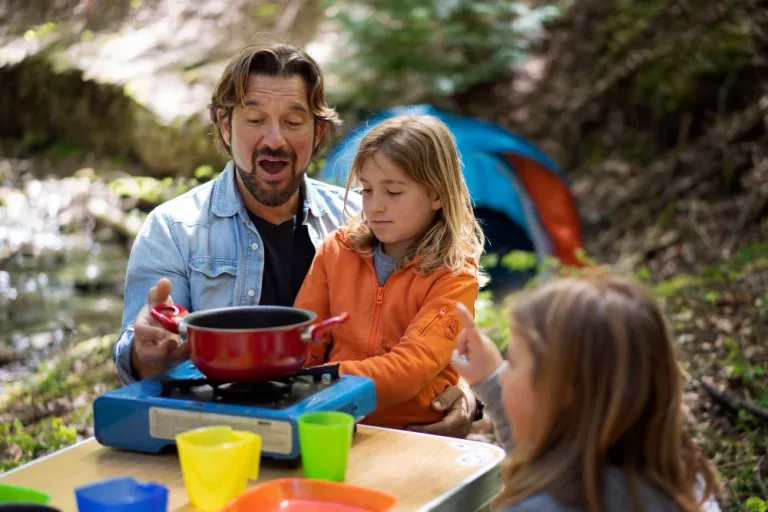
Cooking in the rain requires planning. A portable camp stove is more reliable than trying to maintain a fire in wet conditions. Bring extra fuel since you'll use it for more than cooking—you might need it to dry gear or warm up.
Set up a tarp specifically for your cooking area. Having a dry space to prepare food makes meals much more pleasant. Keep matches or lighters in waterproof containers, and bring multiple fire-starting methods as backup.
How to Set Up Camp and Stay Dry in the Rain
Choosing the Right Campsite
Site selection matters more in the rain than in any other condition. Never camp in low spots, valleys, or dried creek beds—these become waterways during heavy rain. Look for slightly elevated, well-drained ground where water won't pool.
Avoid setting up under trees that could drop branches in the wind and rain. However, some overhead cover can be beneficial as long as the trees are healthy and sturdy. Check above for dead branches before committing to a spot.
Look at the ground slope. Even a gentle slope helps water drain away from your tent. Position your tent so the door faces away from the wind direction to prevent rain from blowing inside.
Tent Setup in the Rain
When following the tips for tent camping in the rain, speed matters. Practice setting up your tent at home first so you can do it quickly when it's actually raining. Some tents allow you to pitch the fly first, keeping the inner tent dry during setup.
Lay down a ground cloth or footprint under your tent, but make sure it doesn't extend beyond the tent floor. Any excess acts like a tarp that funnels water underneath your tent. Trim it or fold the edges under.
Dig shallow trenches around your tent if you're not in an established campground where this is prohibited. These channels direct water away from your tent floor. Always fill in trenches before you leave.
Creating a Dry Space Under a Tarp or Shelter
A well-rigged tarp changes everything in rainy camping. These tips for camping in the rain include setting up a tarp with a high center point and sloping sides so water runs off efficiently. Position it where you'll spend time outside your tent—over your cooking area or as a general hangout space.
Angle the tarp to direct runoff away from high-traffic areas. Use quality cordage and know basic knots for a secure setup. Taut-line hitches allow you to adjust tension as needed. Bring extra stakes specifically for your tarp—don't rob them from your tent.
Quick overview





Tips for Staying Comfortable and Dry While Camping in the Rain
Staying Warm and Dry Inside the Tent
Once inside, maintain strict rules about wet gear. Keep a designated area near the tent door for wet items. Use a small towel to wipe down anything before bringing it fully inside. Change out of wet clothes immediately—staying in damp clothes accelerates heat loss.
Your sleeping bag must stay dry at all costs. Keep it in its waterproof stuff sack until bedtime. If your tent develops leaks, drape clothing or a towel over problem spots to absorb drips before they reach your sleeping area.
Handling Wet Gear
Accept that some gear will get wet. The best tips for camping in the rain include having a system for managing wet items. Hang wet clothes where air can circulate around them, even if they won't dry completely.
Bring extra cordage to create clotheslines under your tarp. Wet gear won't dry in rain, but good airflow prevents mildew and helps items dry faster when the weather improves. Wring out what you can before hanging.
Managing Condensation in the Tent
Condensation is often a bigger problem than rain itself. Your breath releases moisture that condenses on the tent walls, dripping like rain from inside. These tips for camping in the rain address both external precipitation and internal moisture.
Maximize airflow by opening vents and keeping the rainfly from touching the tent body. The gap between the inner tent and rainfly allows air circulation that reduces condensation. Touch the tent walls as little as possible—contact causes condensed water to drip.
How to Keep Food Dry and Safe
Store all food in waterproof containers or bags inside your cooler or food storage system. Rain can seep into cardboard packaging and regular bags. Transfer dry goods into ziplock bags or rigid containers before your trip.
Keep your cooking supplies organized in a waterproof bin or dry bag. Having a dedicated wet-weather kitchen setup means you can access what you need without digging through multiple bags in the rain. Know where everything is so you minimize time spent with containers open to the elements.
Making the Most of Rainy Weather Camping
These tips for camping in the rain transform potentially miserable conditions into manageable ones. The key is accepting that some things will get wet while protecting what matters most—your sleeping gear, dry clothes, and electronics. Everything else can handle moisture.
Rain camping teaches valuable outdoor skills. You learn to be more organized, more weather-aware, and better at improvising solutions. Many campers find that after mastering wet-weather camping, fair-weather trips seem almost too easy.