

According to the National Park Service, Joshua Tree National Park welcomes nearly 3 million visitors per year, and a large share of them try to book one of just nine campgrounds inside the park. That kind of demand means picking the wrong spot can turn a dream desert trip into a sold-out scramble. Joshua Tree camping rewards a little homework, since each campground has its own personality and the "best" one depends on what kind of trip is calling to you.
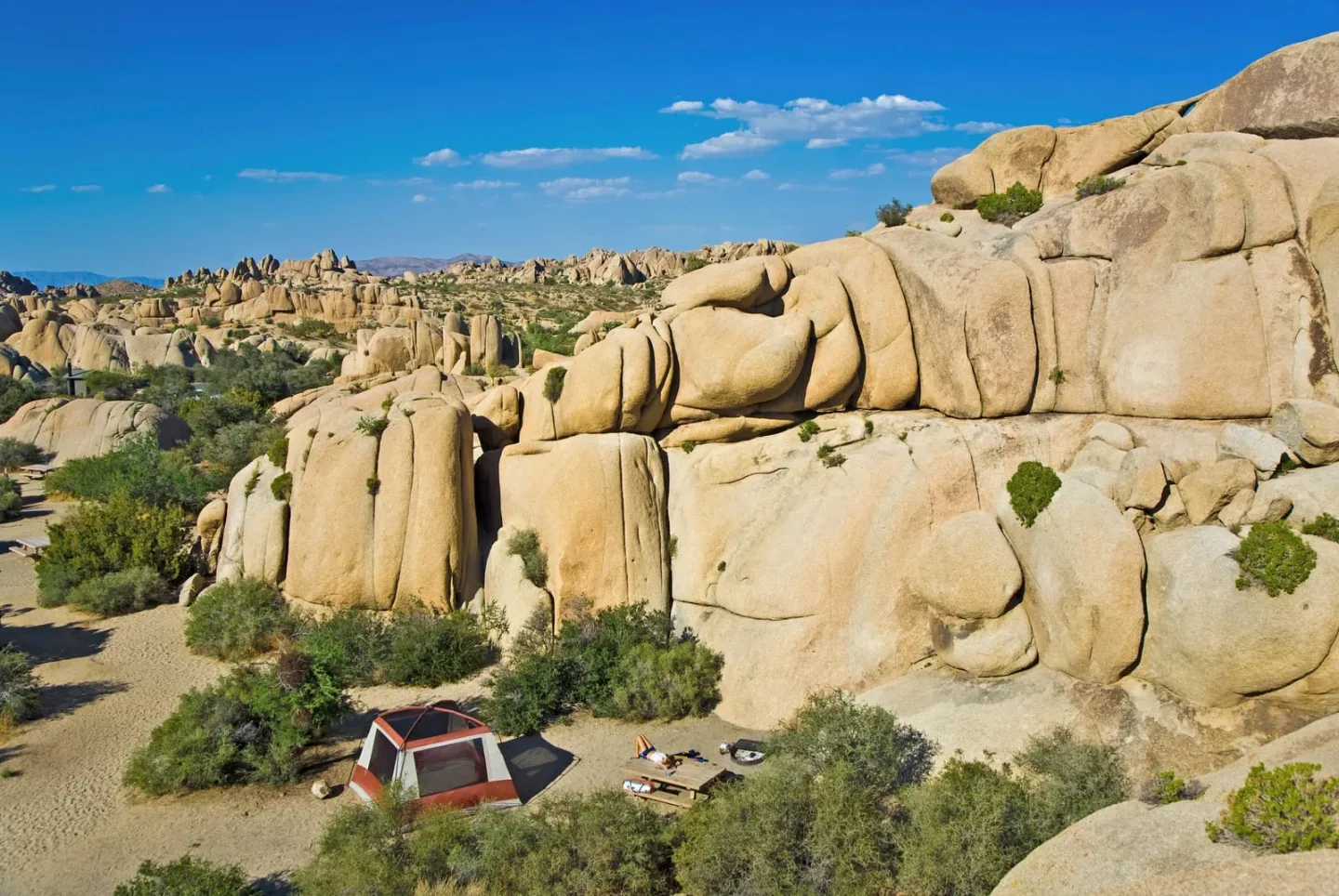
Picture waking up surrounded by house-sized granite rocks with nothing but desert silence and a coyote call in the distance. That is the experience people are chasing when they search for the best place to camp at Joshua Tree, and this guide breaks down every option so you can pick with confidence.
This article covers what makes camping in Joshua Tree different from a typical campground, a side-by-side comparison table, and a ranking of the ten best spots by what they actually deliver: scenery, access, quiet, or comfort.
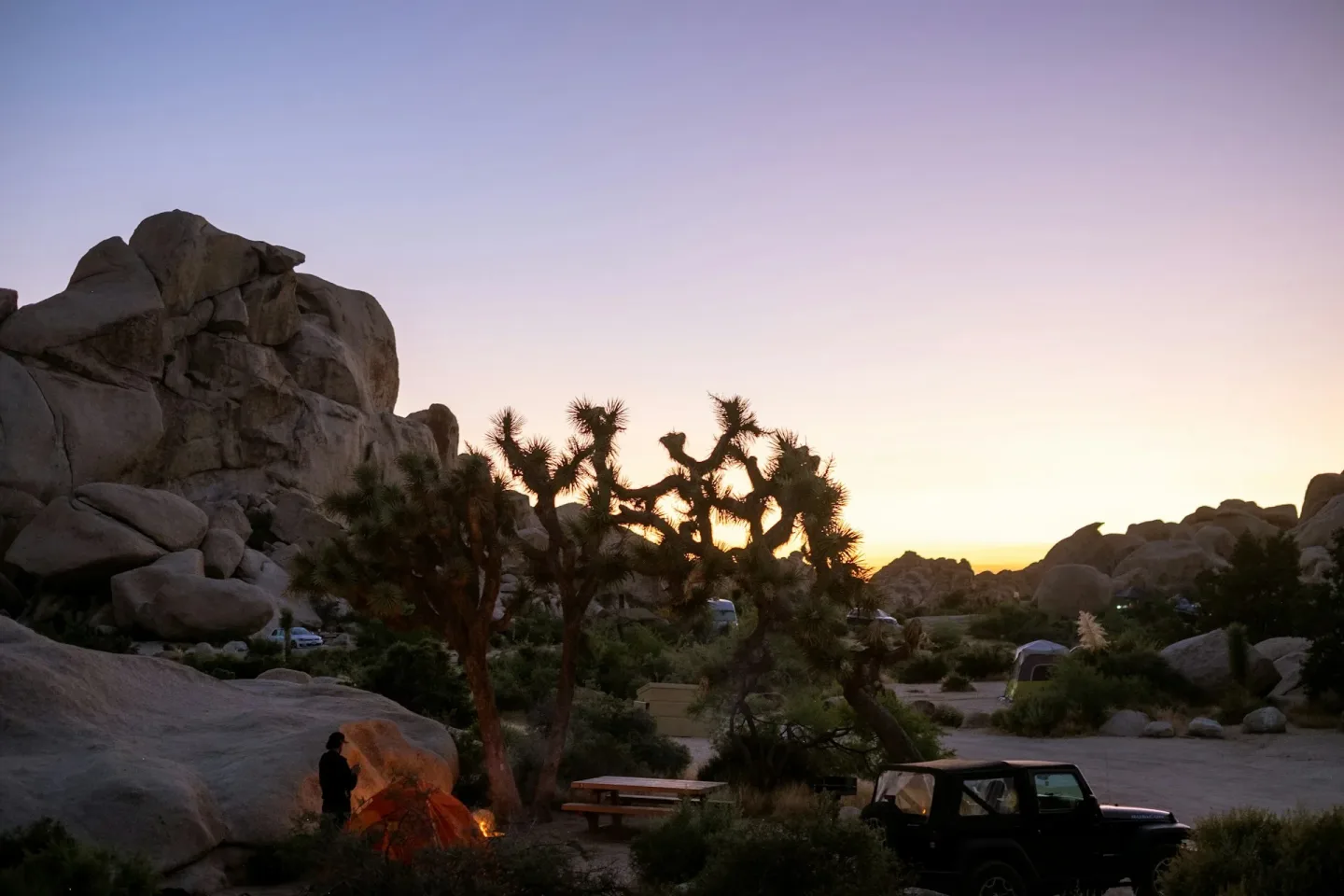
Why Is Joshua Tree Camping So Different From a Typical Campground Trip?
Joshua Tree camping stands apart because it combines extreme desert conditions with some of the most photogenic boulder fields in the country. There is no electricity and, in most campgrounds, no running water. Campers need to bring everything they need to survive a true desert environment, which is part of what makes it memorable.
The park sits where the Mojave and Colorado deserts meet, so terrain shifts depending on where you camp, from dense boulder fields to flatter, quieter basins. Five campgrounds require reservations from fall through spring, while three smaller ones stay first-come, first-served year-round.
Three things define Joshua Tree National Park camping more than anything else:
- Limited water access: most campgrounds have zero potable water, so campers haul in everything they drink and cook with.
- Extreme temperature swings: desert days can be warm while nights drop sharply, even in spring and fall.
- High demand for a small supply: with only nine campgrounds spread across roughly 800,000 acres, popular sites disappear fast once booking windows open.
That combination of beauty and scarcity is exactly why comparing campgrounds before you book matters so much.
Best Joshua Tree Campgrounds at a Glance
The table below gives a quick snapshot of all ten options covered in this guide, so you can jump straight to the one that fits your trip.
| Campground | Best For | Water Available | Reservation Type |
| Jumbo Rocks | First-timers, photographers | No | Reservation (year-round) |
| Hidden Valley | Climbers | No | First-come, first-served |
| Indian Cove | Groups, secluded scenery | No | Reservation (seasonal) |
| Black Rock | Beginners, RVs | Yes | Reservation (year-round) |
| Cottonwood | Quiet seekers, road-trippers | Yes | Reservation (seasonal) |
| Ryan | Hikers, climbers | No | Reservation (year-round) |
| White Tank | Stargazers, short stays | No | First-come, first-served |
| Belle | Minimalist campers | No | First-come, first-served |
| Sheep Pass | Large groups | No | Reservation (group only) |
| Cottonwood/Indian Cove Group | Organized groups | Varies | Reservation (group only) |
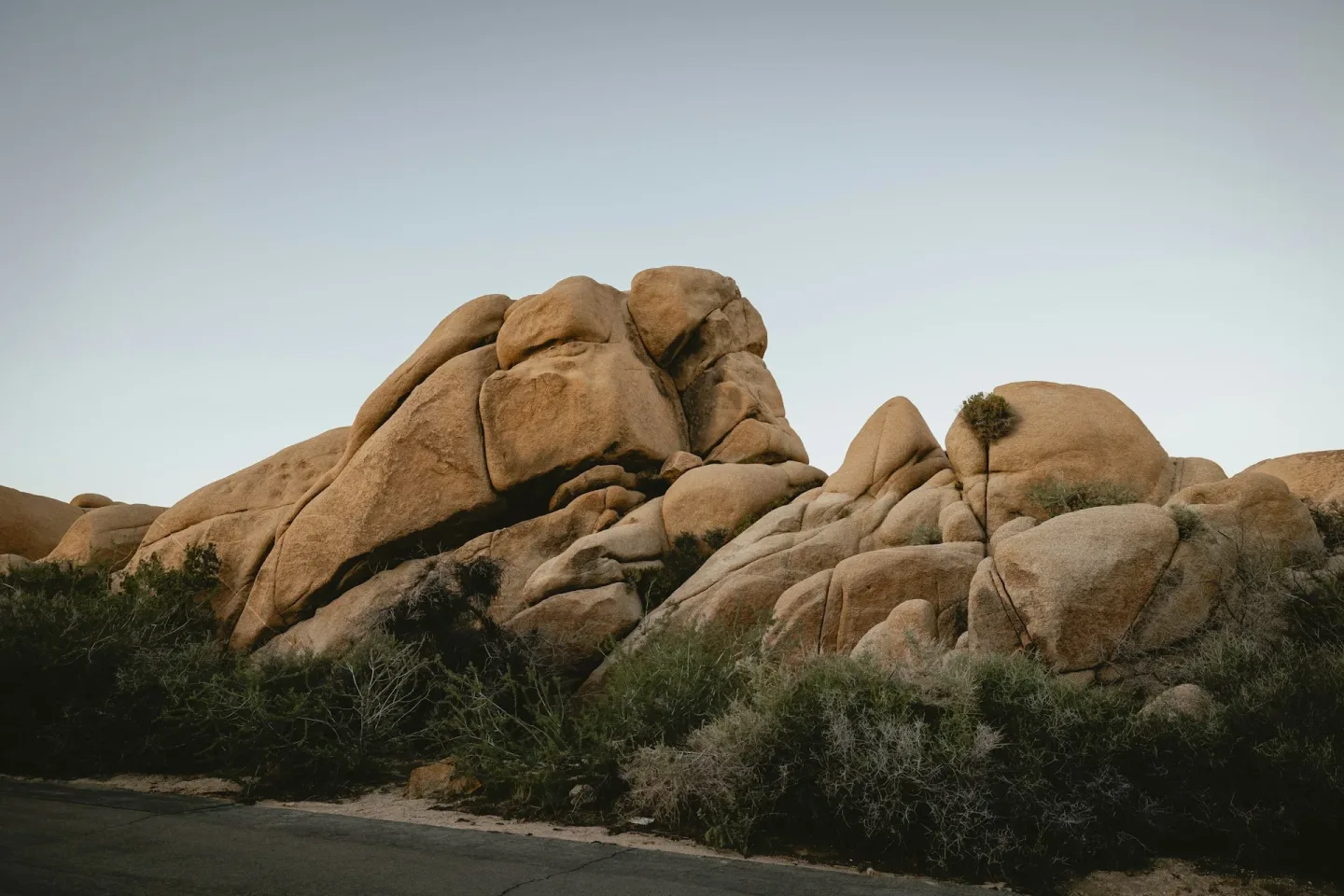
10 Best Places to Camp at Joshua Tree
Every campground in Joshua Tree National Park has a distinct feel, and the right pick usually comes down to what you value most on this particular trip. Here is how the ten best options stack up against each other.
1. Jumbo Rocks Campground: Best Overall for Classic Joshua Tree Camping
Jumbo Rocks stands out for its iconic boulder scenery and central park location, with 124 sites tucked directly among towering rock piles. If you can only pick one campground, this is the safest choice for the classic Joshua Tree experience.
- Best for: first-timers, photographers, families, tent campers
- Nearby highlights: Skull Rock, Split Rock, Park Boulevard
- Pros: dramatic scenery, convenient location, strong "Joshua Tree" feel
- Cons: very popular, limited privacy, no water
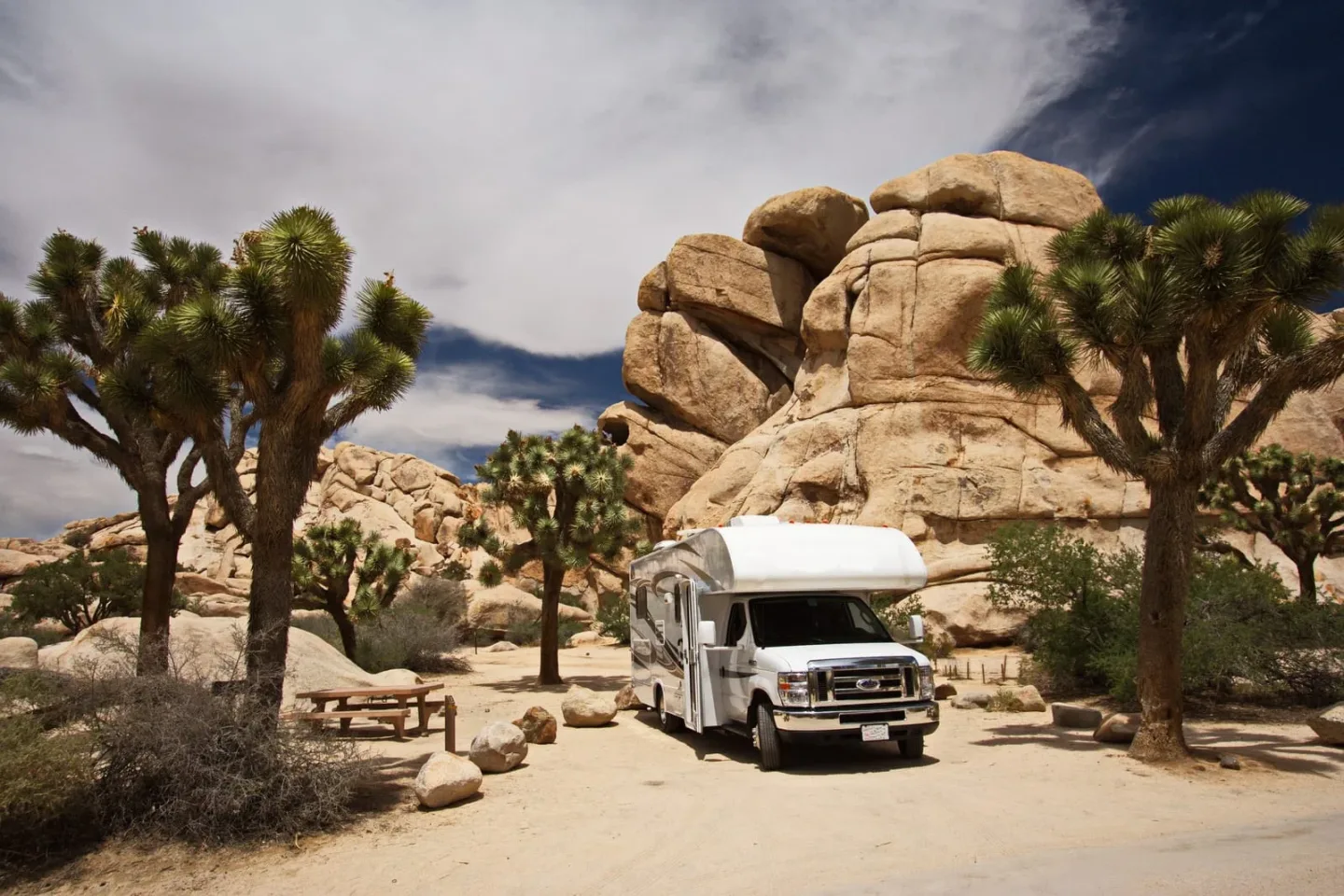
2. Hidden Valley Campground: Best for Climbers and Boulder Lovers
Hidden Valley stands out for sitting steps from legendary climbing routes, making it the best place to camp at Joshua Tree if climbing is the main reason for your trip. Sites are limited and fill fast, so this one rewards campers who arrive early or plan short, flexible stays.
- Best for: climbers, experienced campers, short stays
- Nearby highlights: Hidden Valley Nature Trail, Intersection Rock, Barker Dam area
- Pros: unbeatable climbing access, scenic boulders, central location
- Cons: limited sites, competitive availability, basic amenities
3. Indian Cove Campground: Best for Secluded Rock Formations
Indian Cove stands out for being tucked away from the main park road with huge rock walls, giving it a basecamp feel rather than constant sightseeing traffic. It is not internally connected to the rest of the park, so reaching central attractions means driving back around.
- Best for: campers who want scenery without being in the busiest central corridor
- Nearby highlights: Indian Cove Nature Trail, climbing routes, Twentynine Palms access
- Pros: dramatic setting, good for groups, less through-traffic
- Cons: not connected to the main park road internally, requires driving around to reach central attractions
4. Black Rock Campground: Best for First-Time Campers and Amenities
Black Rock stands out for easier access, a more developed feel, and water availability, making it the most comfortable option for people new to Joshua Tree camping. That comfort comes at the cost of sitting outside the scenic heart of the park.
- Best for: beginners, families, RV campers, campers arriving late
- Nearby highlights: Warren Peak Trail, Panorama Loop, Yucca Valley access
- Pros: easier logistics, larger campground, good for RVs
- Cons: less remote, not in the main scenic heart of the park
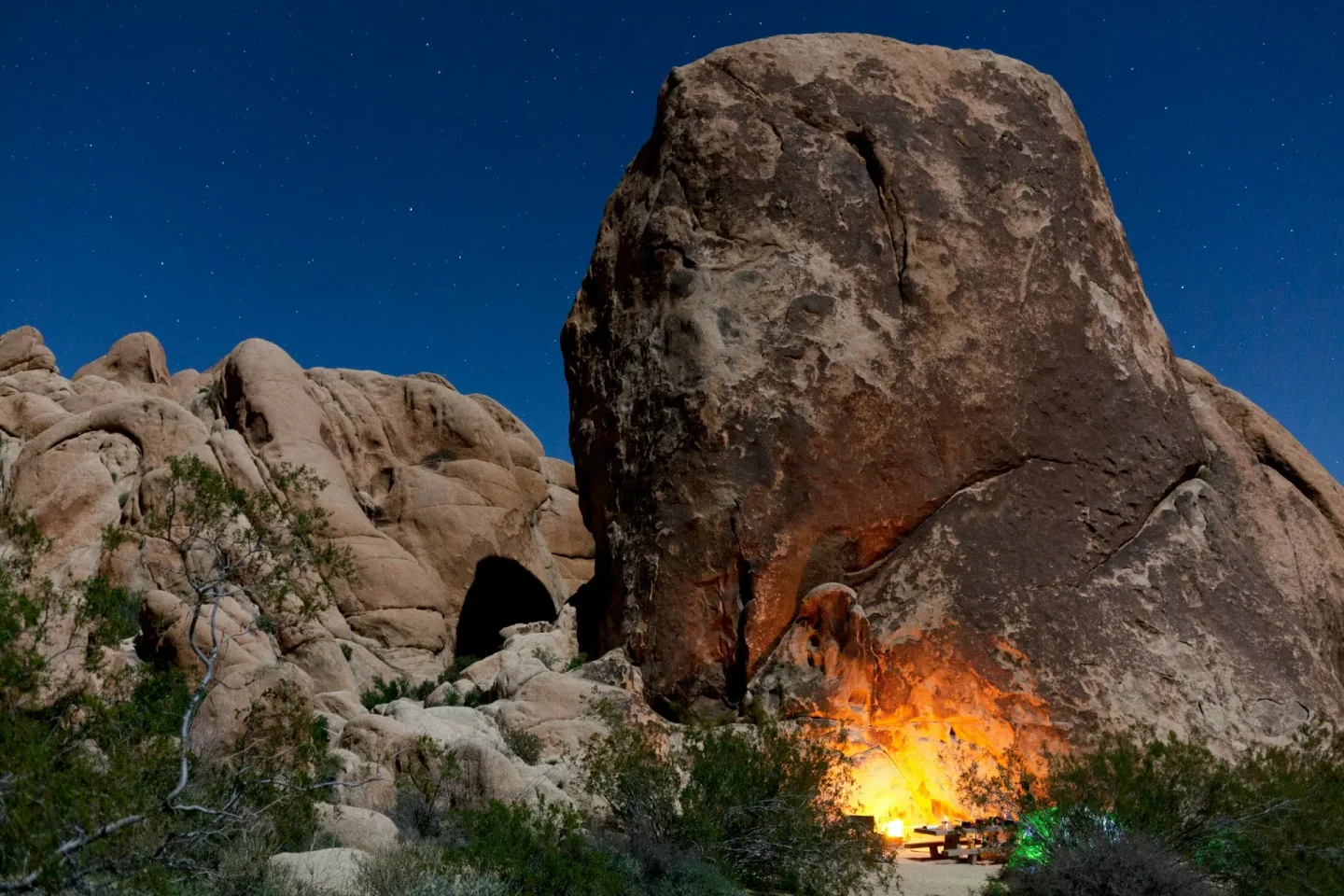
5. Cottonwood Campground: Best for Quiet Desert Camping
Cottonwood stands out for sitting in the southern part of the park, away from the busiest areas, making it a smart choice for campers who value peace over postcard landmarks. The trade-off is real: this part of the park sits far from the boulder fields most first-time visitors come for.
- Best for: solitude seekers, RV campers, road-trippers using I-10
- Nearby highlights: Cottonwood Spring, Mastodon Peak, Cholla Cactus Garden by drive
- Pros: quieter, water access, good night skies
- Cons: far from famous Joshua Tree boulder areas and main attractions
6. Ryan Campground: Best for Central Access Without Jumbo Rocks Crowds
Ryan stands out for its central location near popular hiking and climbing zones, making it a practical alternative when Jumbo Rocks or Hidden Valley is full. It has shifted to reservation-only booking in recent seasons, so spontaneous, walk-up stays are no longer an option.
- Best for: tent campers, hikers, climbers
- Nearby highlights: Ryan Mountain, Cap Rock, Lost Horse Mine area
- Pros: central location, scenic desert setting, convenient for hiking
- Cons: smaller campground, limited amenities, no water
7. White Tank Campground: Best for Stargazing and Short Stays
White Tank stands out for being small, quiet, and remote-feeling despite sitting near scenic boulders, making it one of the most atmospheric campgrounds for a one-night desert stay. It has vehicle length restrictions, so larger RVs and trailers need to look elsewhere.
- Best for: stargazers, photographers, tent campers, short vehicles
- Nearby highlights: Arch Rock, Heart Rock, Pinto Basin Road
- Pros: dark skies, scenic rocks, peaceful atmosphere
- Cons: limited sites, vehicle length restrictions, no water
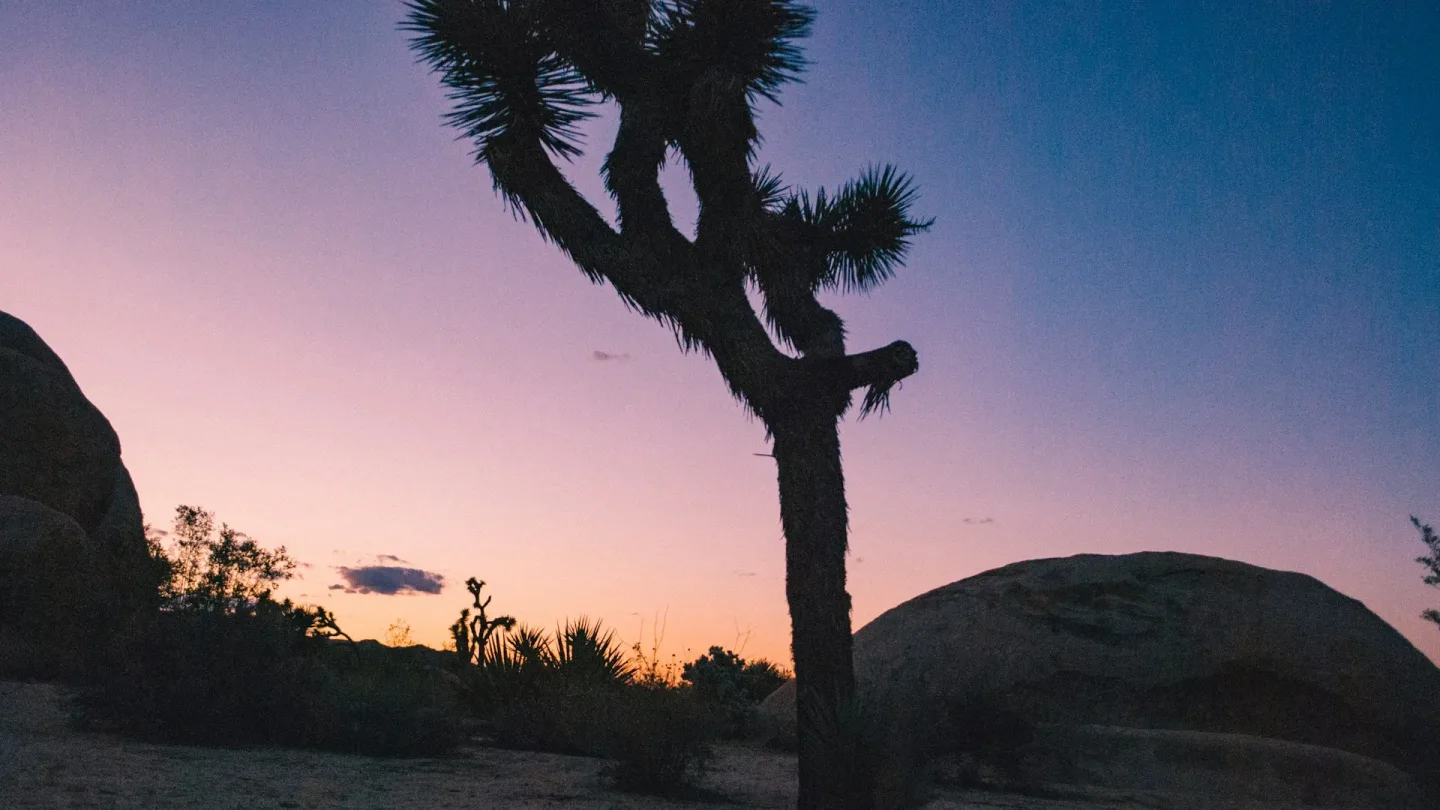
8. Belle Campground: Best for Minimalist Desert Camping
Belle stands out for being small, simple, and usually quieter than the central campgrounds, making it a no-frills option for campers who want space, stars, and silence. There are fewer landmark attractions right at the campground, so it is more about the camping experience than nearby sightseeing.
- Best for: experienced campers, stargazers, travelers who do not need amenities
- Nearby highlights: Pinto Basin Road, Arch Rock area, Cholla Cactus Garden by drive
- Pros: quieter feel, good night sky conditions, simple desert setting
- Cons: few amenities, no water, fewer landmark attractions at the campground itself
9. Sheep Pass Group Campground: Best for Large Groups
Sheep Pass stands out for being designed specifically for group camping, making it the best place to camp at Joshua Tree when your trip involves more than one tent or vehicle. The layout favors groups over solo travelers, so book early if your party is larger than a couple of tents.
- Best for: outdoor clubs, families traveling together, school groups, climbing groups
- Nearby highlights: Ryan Mountain, Hidden Valley, Cap Rock
- Pros: central location, group-friendly layout
- Cons: not for solo campers or standard individual reservations
10. Cottonwood and Indian Cove Group Campgrounds: Best Alternatives for Group Trips
This final entry covers both group options together because the right pick comes down to the same trade-off as their standard counterparts: scenery and climbing access versus quiet and solitude. Cottonwood Group works better for quiet southern park trips, while Indian Cove Group works better for rock scenery and climbing access.
- Best for: organized groups choosing between scenery, access, and solitude
- Pros: more suitable for larger parties than standard sites
- Cons: fewer options, reservation-dependent, location trade-offs
Choose Indian Cove Group for rocks and climbing, or Cottonwood Group for quiet and southern park access.
What Is the Best Place to Camp at Joshua Tree?
The single strongest takeaway here is this: Jumbo Rocks remains the safest, most well-rounded pick for most travelers, but the true best place to camp at Joshua Tree depends on what you value most. Scenery-driven trips point toward Jumbo Rocks or Hidden Valley, comfort-focused travelers do better at Black Rock, and anyone chasing quiet should look south to Cottonwood or Belle.
Joshua Tree camping rewards a bit of planning more than almost any other desert destination in the country, and that planning pays off the moment you pull into camp. Booking early and packing enough water will matter more than which exact site number you end up with.
If you are still mapping out the rest of your route, this guide to planning a camping trip covers the broader logistics worth sorting out, and these family-friendly campsite tips are worth a look if kids are coming along.
Frequently Asked Questions
Can I camp anywhere in Joshua Tree?
No, camping is only allowed in designated campgrounds or approved backcountry zones with a free permit. Setting up outside these areas is prohibited and can damage the park’s fragile desert ecosystem.
Do I need a permit to camp at Joshua Tree?
Developed campgrounds only require a reservation or paid site fee, not a separate permit. However, backcountry camping does require a free permit, which can be obtained online or at park kiosks.
When is the best time to camp in Joshua Tree?
The best time to camp in Joshua Tree is typically October through April, when temperatures are comfortable for hiking and sleeping outdoors. Spring is especially popular due to wildflower blooms, but it is also the busiest season, so early reservations are recommended.
Is Joshua Tree camping safe for beginners?
Yes, Joshua Tree can be safe for beginners if proper preparation is taken. Choosing established campgrounds like Black Rock, bringing plenty of water, and being prepared for strong temperature swings between day and night significantly reduces risk. Staying on marked trails also improves safety.
Which Joshua Tree campground is best if I arrive after dark?
Black Rock and Cottonwood are the best options for late arrivals due to clearer signage, water access, and more structured layouts. First-come, first-served campgrounds like Hidden Valley or Belle can be difficult to navigate after dark.