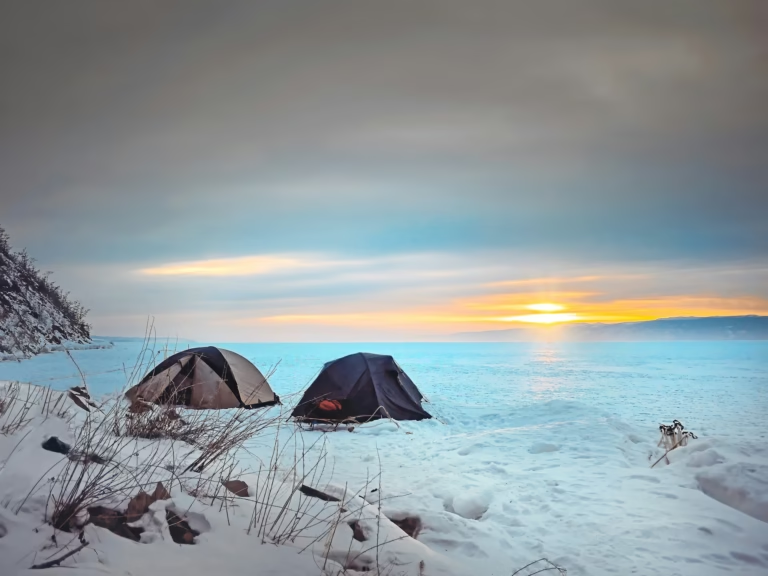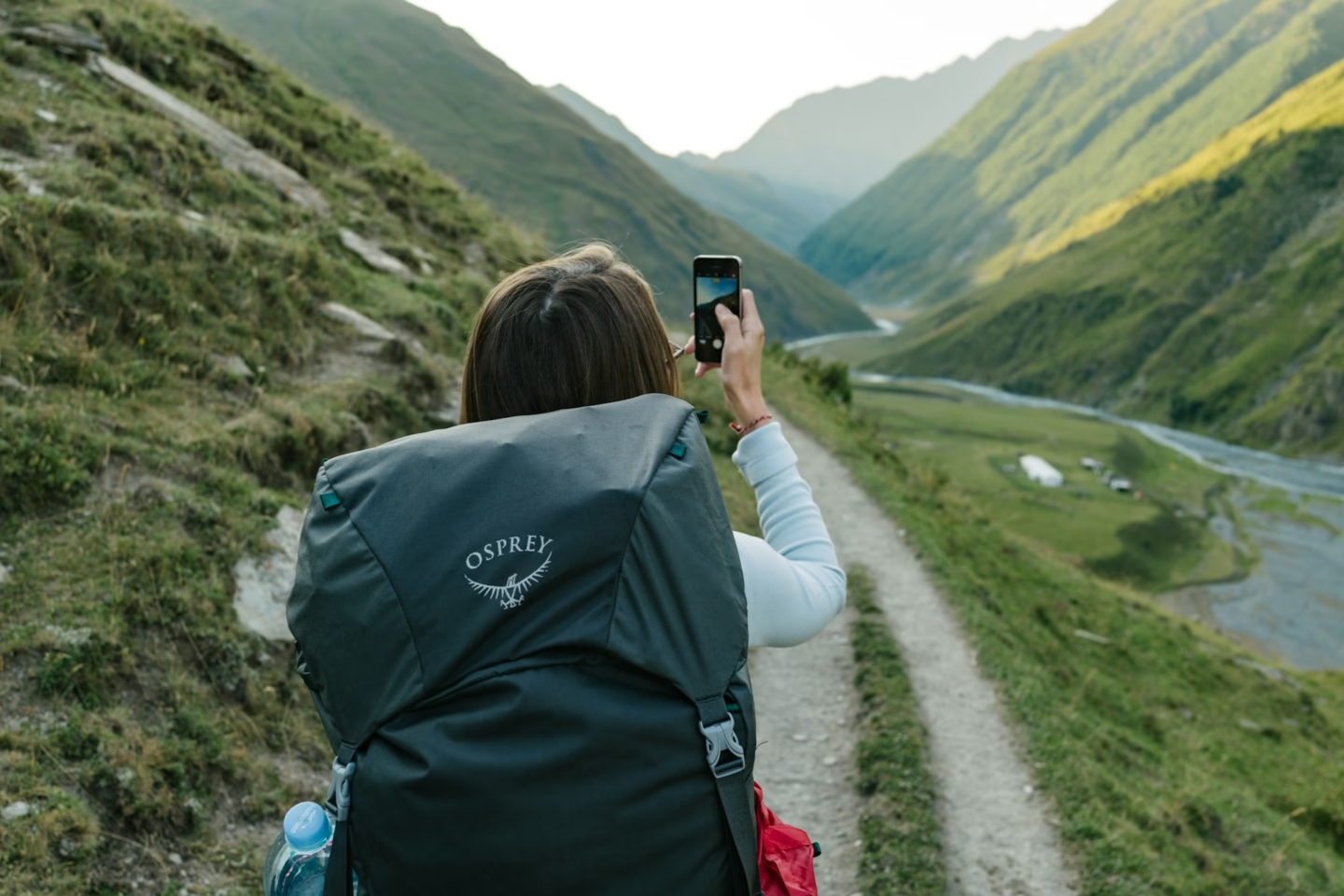


Solo camping has grown tremendously in popularity as more people discover the freedom and self-reliance that comes from spending time in nature without companions. The experience offers unique rewards—setting your own pace, choosing activities based solely on your interests, and finding quiet reflection impossible in group settings. However, camping alone also presents distinct challenges and safety considerations that don't apply when traveling with others.
Understanding these realities and preparing appropriately transforms solo camping from potentially risky to genuinely rewarding. This guide provides practical camping tips that help you stay safe, comfortable, and confident while enjoying wilderness solitude on your own terms.
Why Solo Camping is Worth Trying
Solo camping offers experiences that group camping simply can't provide. You move at your own rhythm—waking when you want, hiking as far as feels right, and stopping whenever something interesting catches your attention. The self-reliance you develop camping alone builds confidence that extends beyond outdoor recreation. Successfully handling challenges independently reveals capabilities you didn't know you possessed.
Solitude in natural settings provides mental health benefits increasingly recognized as valuable in our connected, busy world. Time alone with your thoughts, away from digital distractions and social obligations, offers perspective and clarity that group activities rarely permit. Nature observation also improves dramatically when you're alone—wildlife appears more readily, and you notice subtle details that conversation obscures.
Essential Camping Tips for Beginners
Choosing the Right Campsite
Start your solo camping experiences at established campgrounds rather than remote wilderness locations. Developed sites offer amenities like bathrooms, water sources, and nearby campers who can help if problems arise. This safety net matters particularly when you're learning.
Look for campgrounds with good reviews specifically mentioning safety and friendliness to solo campers. Sites closer to rangers or camp hosts provide security without sacrificing the camping experience. Consider proximity to your vehicle—sites requiring long hikes to reach leave you far from help and make gear transport challenging when you're alone.
Visit during moderate seasons when campgrounds are occupied but not overcrowded. Spring and fall often provide ideal conditions—pleasant weather, reasonable attendance, and experienced campers who can offer assistance if needed.
Packing Light but Efficient
Solo campers must carry everything themselves without the load-sharing benefits of groups. Prioritize multi-purpose gear that reduces pack weight while maintaining capabilities. A tarp serves as ground cover, rain shelter, or shade structure. A quality knife handles food prep, rope cutting, and emergency situations.
Focus on the essentials: shelter, sleeping system, water filtration, food, first aid, navigation tools, lighting, and appropriate clothing. Everything else is luxury. These camping tips for beginners emphasize testing gear at home before relying on it in the field—discovering equipment failures at home causes minor inconvenience, while discovering them alone in the wilderness creates serious problems.
Understanding Campfire Safety
Campfires provide warmth and psychological comfort when camping alone, but they demand careful management. Check whether fires are permitted, as many areas prohibit them during dry seasons. Build fires only in established fire rings, keep them small and manageable, and have water readily available for extinguishing.
Never leave fires unattended. When you're solo, stepping away means the fire is truly alone. Completely extinguish fires before sleeping—drown with water, stir the ashes, add more water, and verify everything is cold to the touch.
Camping Safety Tips for Solo Travelers
Share Your Itinerary with Someone
The most important camping safety tips center on ensuring someone knows your plans. Provide a trusted person with detailed information: where you're going, which campsite you'll use, when you're leaving, and when you expect to return. Include specifics like your vehicle description, license plate, tent color, and planned clothing.
Establish check-in protocols with specific dates and times. Instruct your contact on how long to wait past your expected return before contacting authorities. Update them if plans change. Carry emergency communication devices like satellite messengers for areas without cell coverage.
Personal Safety and Self-Defense
Most camping experiences occur without safety incidents, but solo travelers should prepare for unlikely scenarios. Situational awareness represents your best defense—notice who's around, trust your instincts about people or situations that feel wrong, and remove yourself from uncomfortable circumstances.
Keep your campsite organized and secure. Lock valuables in your vehicle. Don't advertise that you're alone—set up your site as you would for multiple people. Carry appropriate self-defense tools like bear spray, whistles, or personal alarms, and practice using them. Choose well-lit, visible campsites near others rather than isolated locations.
Know the Wildlife
Understanding local wildlife represents critical camping tips for any environment. Research which animals inhabit the area—bears, mountain lions, snakes, or other creatures requiring specific precautions. Store food properly using bear canisters or hanging systems where required. Never keep food, toiletries, or scented items in your tent.
Know how to respond to wildlife encounters specific to your location. Bear behavior differs by species—black bears and grizzlies require different responses. Make noise while hiking to avoid surprising animals, since solo hikers lack the natural conversation that alerts wildlife.
Tips for Camping Comfortably Alone
Creating a Comfortable Setup
Quality sleep makes or breaks camping trips. Invest in a sleeping pad with adequate insulation and cushioning. Choose sleeping bags rated for temperatures colder than expected—it's easier to ventilate an overly warm bag than to add warmth to an inadequate one.
Set up your tent thoughtfully on level ground, clear rocks and sticks, and position your door away from prevailing winds. When you're alone, there's no one else to help adjust your setup in the middle of the night.
Staying Nourished and Hydrated
Plan simple, nutritious meals requiring minimal preparation. Pre-portion meals at home, measuring ingredients into labeled bags that eliminate excess food and simplify preparation. Bring foods you genuinely enjoy—morale matters when camping solo, and familiar meals provide comfort.
Stay hydrated consistently. It's easy to forget to drink water when no one's reminding you. Set reminders or establish habits like drinking every time you take a break.
Mental Health Considerations
Solo camping affects people differently psychologically. Some find solitude peaceful and restorative, while others experience loneliness or anxiety. Bring activities for downtime—books, journals, sketchpads, or photography equipment- to provide engagement during long evenings.
Stay connected if it helps your comfort level. Solo camping doesn't mean complete isolation if that creates anxiety. Find the balance between solitude and connection that works for you.
Staying Safe and Navigating Solo
Map Reading and GPS Use
Navigation skills become critically important when traveling alone. Learn to read topographic maps and use a compass before attempting solo trips in unfamiliar areas. Carry both paper maps and GPS devices—technology fails, but paper maps work regardless of conditions.
Mark your route and key landmarks. Note where you parked, your campsite location, and major trail junctions. Stay on marked trails, especially when learning, as bushwhacking increases navigation difficulty and injury risk.
Staying Calm in Unexpected Situations
Problems arise during camping trips—equipment failures, weather changes, or minor injuries. Your response determines outcomes when you're alone. Pause and assess before reacting. Panic leads to poor decisions. Take deep breaths, evaluate your situation calmly, and consider your options.
Prioritize immediate needs: shelter, water, fire, food. Focus on what actually matters rather than worrying about everything simultaneously. Know when to abandon plans and retreat—if weather worsens, if you're injured, or if situations feel unsafe, heading home represents good judgment, not failure.
Essential Solo Camping Checklist
Make sure you have these items before heading out:
- Tent, sleeping bag, and sleeping pad appropriate for conditions
- Water filtration system and storage containers
- First aid kit with personal medications
- Map, compass, and GPS device
- Headlamp with extra batteries
- Weather-appropriate layered clothing
- Food and cooking equipment
- Fire starter and waterproof matches
- Multi-tool or knife
- Emergency whistle
- Satellite messenger or communication device
- Bear spray or wildlife deterrents
Making Solo Camping Work for You
These camping tips provide a foundation for safe, enjoyable solo experiences. Start with short trips close to home, building skills and confidence gradually. Each successful outing teaches lessons that prepare you for more challenging adventures.
The transformative power of solo camping comes from the quiet confidence of relying on yourself in unfamiliar situations. You learn what you're capable of and develop a deeper relationship with natural environments.
Safety remains paramount—sharing your itinerary, understanding wildlife, maintaining navigation skills, and staying aware protects you while enabling the freedom that makes solo camping so rewarding. With proper preparation and a realistic assessment of your abilities, solo camping offers some of the most memorable outdoor experiences available.