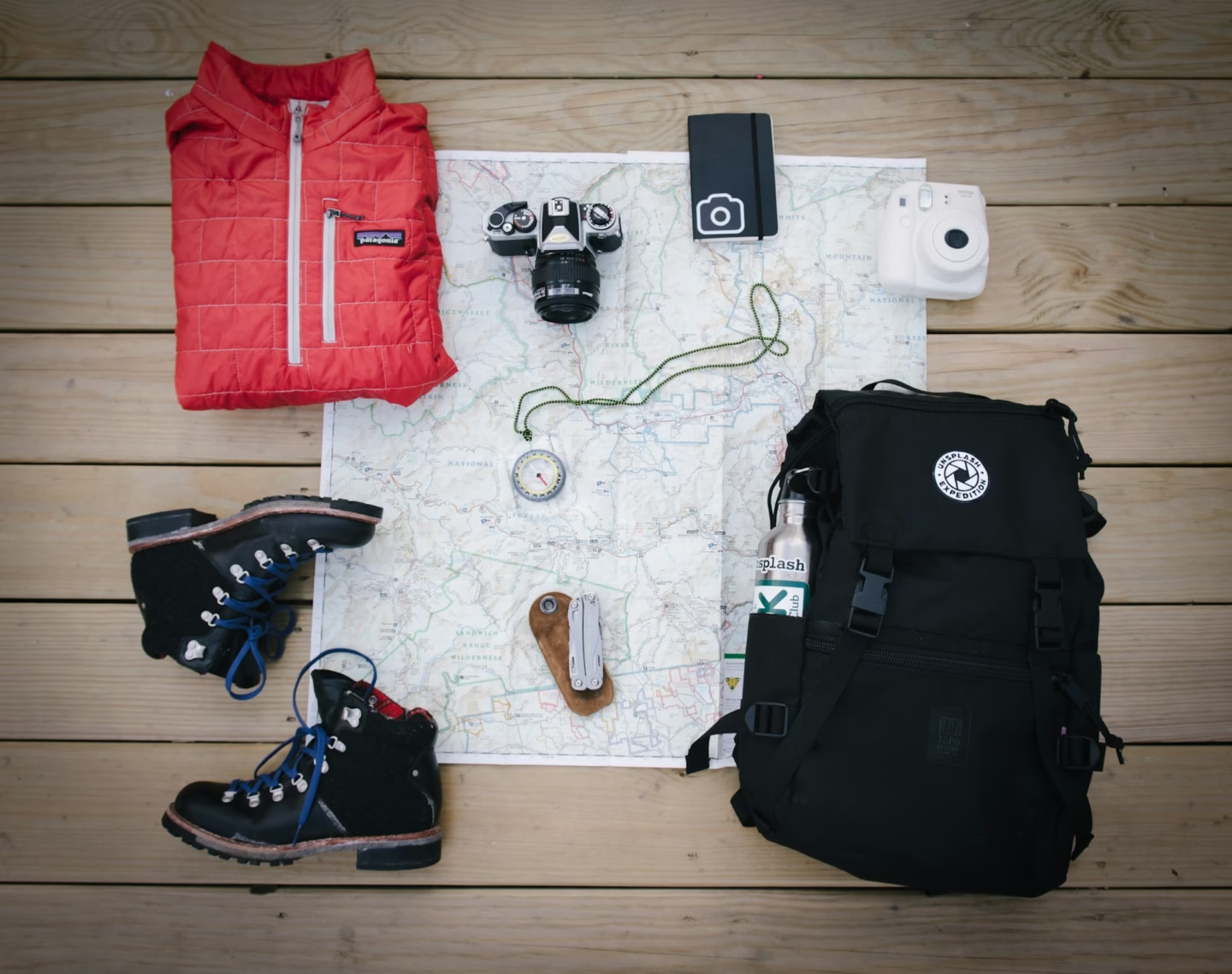


Starting your outdoor life can feel overwhelming when you're staring at countless gear options and wondering what you actually need. The good news is that hiking and camping don't require a fortune in equipment or years of experience to enjoy. What matters most is having the right basics that keep you safe, comfortable, and ready to handle whatever nature throws your way.
Many beginners make the mistake of either bringing too much gear or not enough of the right stuff. This guide breaks down exactly what hiking and camping gear you need for your first trips, helping you avoid common pitfalls while building a solid foundation for future outdoor experiences. Whether you're planning an overnight backpacking trip or a weekend at an established campground, this complete packing list will ensure you're properly prepared.
Essential Hiking Gear for Beginners
Let's start with what you'll need on the trail itself, before you even set up camp.
Hiking Footwear
Your feet carry you everywhere outdoors, so proper footwear ranks as your most critical investment. Beginners often assume any athletic shoe will work, but hiking boots or trail shoes provide ankle support, traction, and protection that regular sneakers can't match. Break in new footwear before your trip by wearing them around town for at least a week. Blisters can ruin your entire experience faster than anything else. Pair your boots with moisture-wicking hiking socks that prevent friction and keep your feet dry.
Hiking Backpack
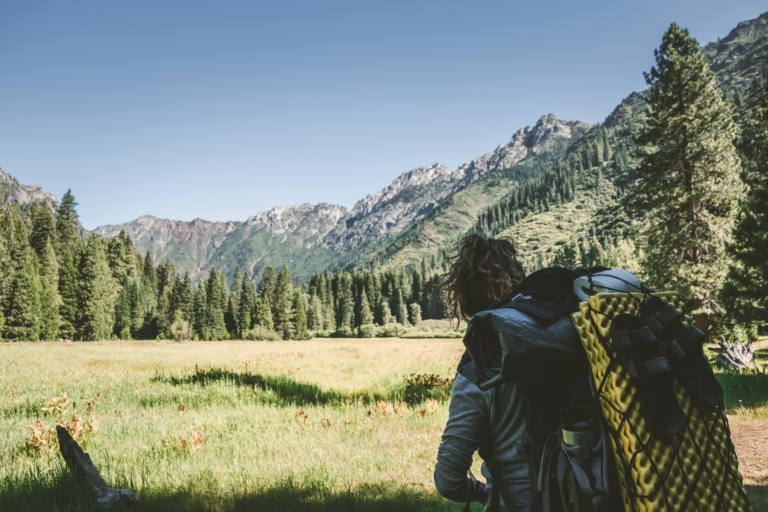
A quality daypack for day hikes should hold 20-30 liters, providing enough space for water, snacks, extra layers, and safety items. For overnight trips, you'll need a larger backpack in the 50-65 liter range. Look for adjustable straps, a padded shoulder harness, and a hip belt that transfers weight off your shoulders. Your hiking and camping gear should include a backpack that fits your torso length, not just your height. Many outdoor stores offer fitting services to help you find the right size.
Navigation Tools
Even on marked trails, bring a map and compass as backup to digital devices. Phones die, GPS units malfunction, and technology fails at the worst possible moments. Learn basic map reading before you go. Download offline maps to your phone as a secondary option. A small handheld GPS device adds extra security for more remote areas. Mark your trailhead location and check your position regularly to avoid getting lost.
Weather Protection
Weather changes quickly in the outdoors, especially in mountainous areas. Pack rain gear even if the forecasts look clear. A lightweight waterproof jacket belongs in your pack year-round. Bring layers you can add or remove as temperatures shift throughout the day. A hat protects against both sun and cold. Sunscreen and sunglasses prevent burns and eye damage at higher elevations where UV exposure intensifies.
Hydration and Food
Carry more water than you think you'll need, typically one liter per two hours of moderate hiking. Water filtration systems or purification tablets let you refill from streams and lakes safely. Bring high-energy snacks like trail mix, energy bars, and dried fruit that won't spoil. For longer trips, plan meals carefully and know how to store food properly to avoid attracting wildlife.
Essential Camping Gear for Beginners
Once you reach your campsite, you'll need equipment to stay comfortable through the night.
Shelter: Tents and Sleeping Systems
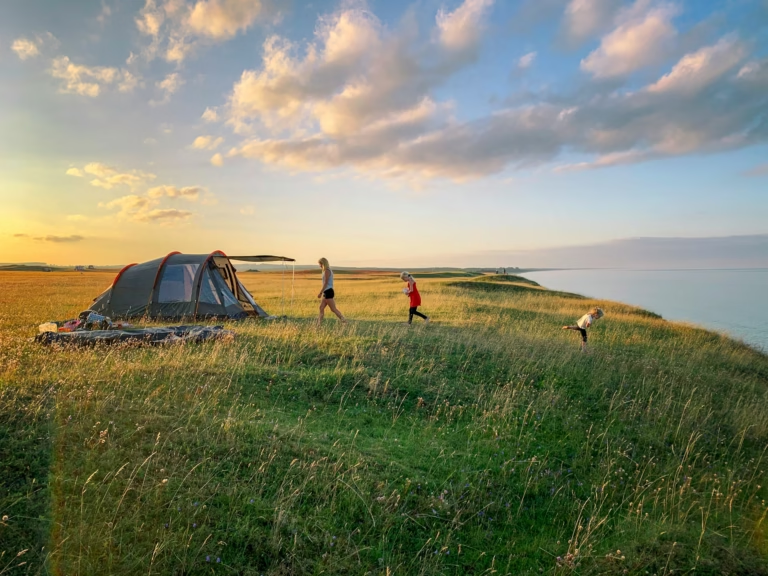
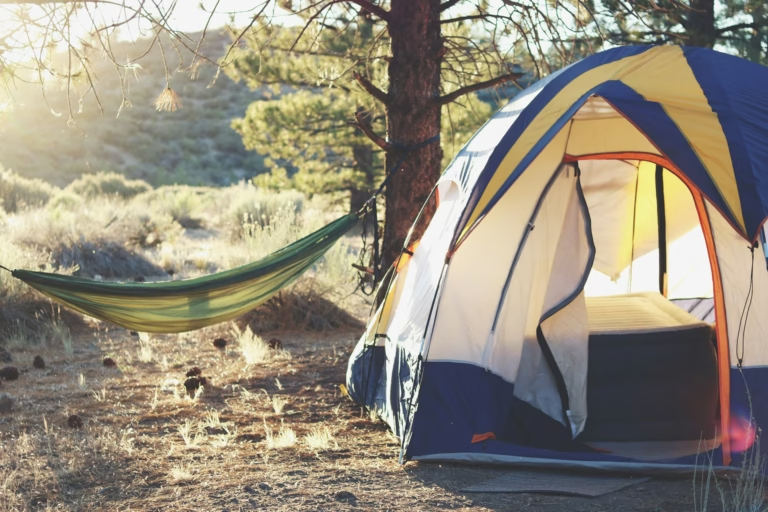
Your tent provides protection from the weather, insects, and morning dew. Beginners should choose a tent rated for one more person than they will actually use, giving them extra space for gear. Three-season tents work for spring through fall camping. Make sure you practice setting it up at home before your trip.
Your sleeping system includes a sleeping bag rated for the lowest temperature you'll encounter, plus a sleeping pad that insulates you from cold ground while providing cushioning. Don't skimp on the sleeping pad—a miserable night's sleep makes the next day's hiking awful.
Cooking Gear
Basic camping and hiking gear for meals includes a portable stove, fuel, lighter, pot, utensils, and biodegradable soap. Beginners often prefer canister stoves for their simplicity and reliability. Bring food that's easy to prepare when you're tired. One-pot meals simplify both cooking and cleanup. Pack trash bags to carry out everything you brought in, following Leave No Trace principles.
Lighting and Fire Starting Tools
A headlamp keeps your hands free for cooking, setting up camp, or reading. Bring extra batteries since they drain faster in cold weather. A small flashlight serves as backup. Pack waterproof matches and a lighter for starting your stove or campfire where permitted. Fire starter cubes or dryer lint in a waterproof container help get fires going, even with damp wood.
First Aid and Emergency Gear
Your first aid kit should include bandages, pain relievers, antibiotic ointment, blister treatment, and any personal medications. Add items for common camping injuries like tweezers for splinters, elastic bandages for sprains, and antihistamines for allergic reactions. Carry a whistle for emergency signaling, an emergency blanket, and a multi-tool or knife. Know how to use everything in your kit before you need it.
Camp Comfort Essentials
Small items make big differences in comfort. Bring toilet paper and a trowel for digging cat holes. Pack hand sanitizer and wet wipes for hygiene. A small towel dries you after washing up. Camp chairs or a sitting pad give you somewhere comfortable to relax. Insect repellent keeps mosquitoes and ticks away. Don't forget personal items like a toothbrush, medications, and glasses if you wear them.
The Best Camping and Hiking Gear for Beginners
Understanding which products offer the best value helps beginners make smart purchasing decisions.
Gear that Can Grow with Your Experience
Smart beginners invest in versatile hiking and camping gear that remains useful as skills develop. A quality three-season tent serves you for years. A mid-range backpack works for both day hikes and overnight trips.
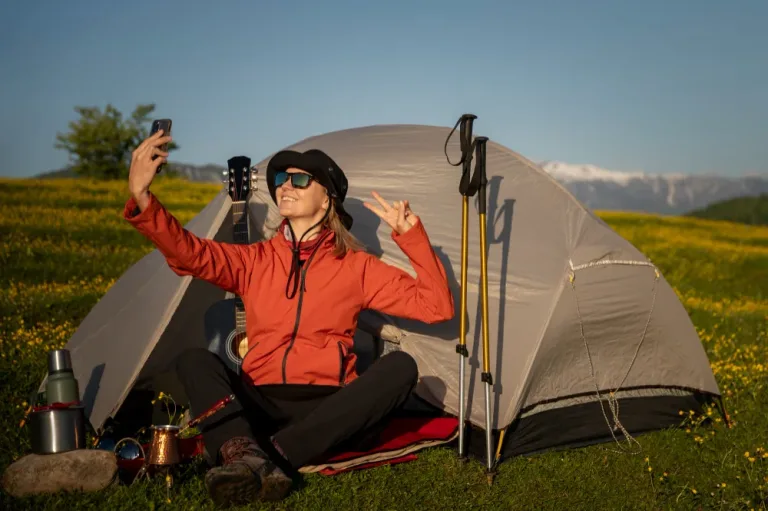
Adjustable trekking poles help on steep terrain now and support heavier loads later. Buy items that offer room to grow rather than the absolute minimum specifications. This approach costs slightly more upfront but saves money long-term by avoiding frequent replacements.
Gear that Balances Quality and Cost
Creating your hiking and camping gear list means making strategic decisions about where to spend and where to save. Invest more in items that directly affect safety and comfort: boots, a sleeping bag, a tent, and a backpack. Economize on accessories like stuff sacks, carabiners, and water bottles where cheaper options work fine.
Buy used gear from reputable sources to stretch your budget. Many outdoor stores have trade-in programs or rental options that let you try before you buy. Sales and end-of-season clearances offer significant savings on quality equipment.
Here's a budget-friendly approach to building your gear collection:
- Start with borrowed or rented gear for your first trip
- Purchase core items (boots, backpack, sleeping bag) first
- Add camping-specific gear as you gain experience
- Upgrade items based on actual needs rather than wants
- Join outdoor clubs that share group equipment
- Watch for sales at major outdoor retailers
- Consider previous-year models for significant discounts
- Invest in items you'll use across all seasons
Start Your Outdoor Experience with Confidence
Building your collection of hiking and camping gear doesn't happen overnight, and that's perfectly fine. Start with the basics outlined in this complete hiking and camping gear list, then add items as you discover what works for your style of outdoor recreation. Every experienced camper started exactly where you are now, figuring out what they needed through trial and error.
Remember that having proper hiking and camping gear removes barriers between you and enjoying nature. Good equipment doesn't guarantee a perfect trip, but it certainly makes challenges easier to handle. Pack carefully, check your gear before leaving, and get out there. The skills and confidence you'll build on your first trips are just as valuable as any equipment you'll buy.