

Camping offers a refreshing escape from daily routines, connecting you with nature while creating lasting memories with friends and family. The appeal of sleeping under stars, cooking over campfires, and exploring trails has drawn more people outdoors than ever before. However, the difference between a fantastic camping experience and a frustrating one often comes down to preparation.
Poor planning leads to forgotten essentials, uncomfortable nights, inadequate food, or choosing locations that don't match your expectations. Understanding how to plan a camping trip systematically ensures you're prepared for the adventure ahead while avoiding common mistakes that undermine enjoyment.
Choosing the Right Campsite
Consider Your Camping Style
The first step in planning a camping trip involves determining what type of camping experience you want. Car camping at developed campgrounds provides amenities like bathrooms, running water, and picnic tables while keeping your vehicle nearby for easy gear access. This style suits families with children, first-time campers, or anyone wanting comfort and convenience.
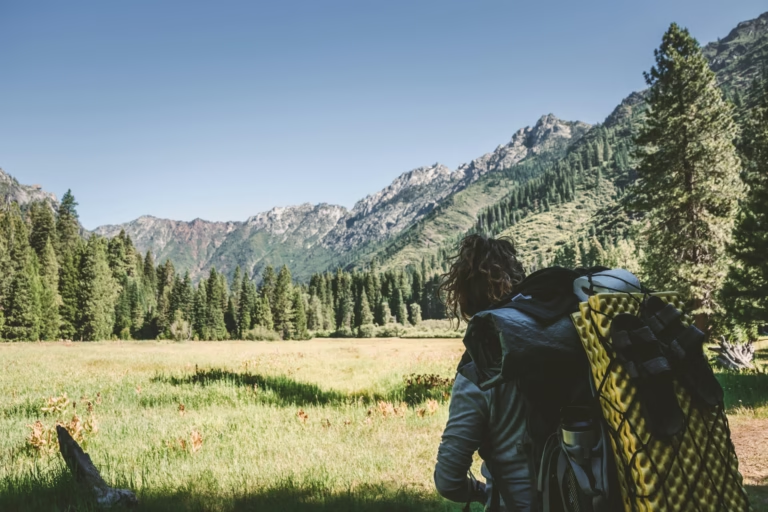
Backpacking into wilderness areas offers solitude and pristine nature, but requires carrying everything on your back and camping with minimal facilities. This challenging style rewards experienced campers with breathtaking locations and genuine wilderness experiences.
Consider Location, Weather, and Accessibility
Location dramatically affects your camping experience. Determine how far you're willing to travel—nearby campgrounds work well for weekend trips, while longer vacations justify driving further to reach special destinations. Consider whether you want mountains, beaches, forests, deserts, or other specific environments.
Research typical weather for your chosen location and season. Summer camping in deserts can be dangerously hot, while mountain locations might have snow into late spring. Check historical weather data and current forecasts as your trip approaches. Be prepared to adjust plans if conditions become unsafe.
Research Campgrounds or Backcountry Locations
Once you've identified general locations, research specific campgrounds or wilderness areas, read recent reviews on camping websites and apps to understand what other campers experienced. Pay attention to comments about cleanliness, noise levels, site spacing, and natural beauty.
Check reservation requirements and book early for popular destinations. Many campgrounds fill up months in advance, especially for summer weekends and holidays. Some locations operate first-come, first-served, requiring early arrival to secure sites.
Creating a Camping Packing List
Essential Gear for Your Trip
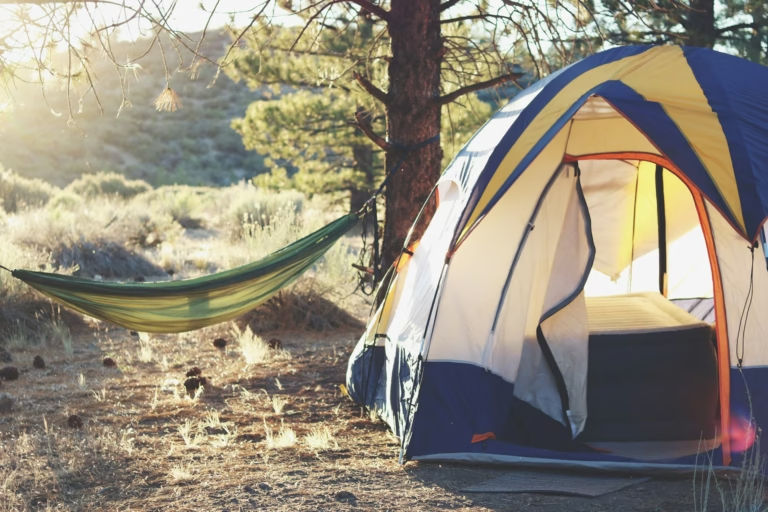
Knowing how to plan a camping trip includes creating comprehensive packing lists that ensure you bring everything needed without overpacking. Start with shelter—a tent appropriate for your group size and expected weather conditions. Include ground cloths or footprints to protect the tent floors.
Sleeping gear matters tremendously for comfort. Bring sleeping bags rated for nighttime temperatures you'll encounter, plus sleeping pads that insulate from cold ground and provide cushioning. Test your sleep system at home before relying on it outdoors.
Cooking equipment depends on your meal plans. Portable camp stoves provide reliable cooking regardless of fire restrictions. Bring pots, pans, utensils, plates, cups, and cleaning supplies. Don't forget fuel for your stove, matches or lighters, and a cooler if bringing perishable food.
Clothing for All Weather
Pack clothing in layers to adapt to changing conditions. Base layers wick moisture away from skin, insulating layers trap warmth, and outer shells protect from wind and rain. Bring more clothing than you think necessary—getting wet without dry alternatives creates dangerous situations.
Include rain gear even if forecasts show sun. Weather changes rapidly outdoors, and unexpected storms appear regularly. Waterproof jackets and pants keep you dry and comfortable regardless of conditions.
Don't forget accessories: hats for sun protection, warm hats for cold nights, gloves, and extra socks. Dry socks prevent blisters and keep feet warmer, making them worth their weight in your pack.
Camping Safety and First Aid
Every camping packing list should include a well-stocked first aid kit with bandages, gauze, antiseptic, pain relievers, antihistamines, and any personal prescription medications. Add items specific to your destination—tick removal tools in tick-prone areas, or snakebite kits where venomous snakes live.
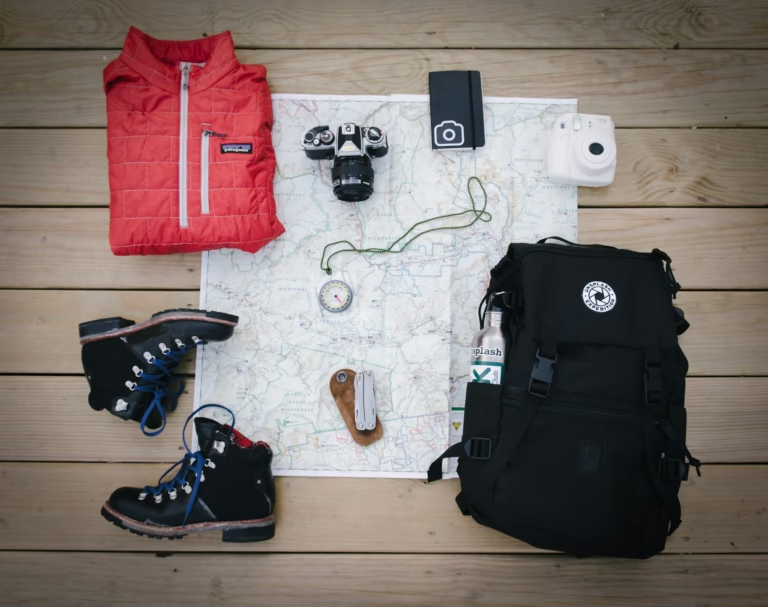
Bring navigation tools, including maps, a compass, or GPS devices. Don't rely solely on phone GPS, which fails without cell service or when batteries die. Carry emergency communication devices like satellite messengers for remote locations.
Planning Your Meals and Snacks
Simple and Easy Camping Meals
Understanding how to plan a camping trip with friends includes coordinating meals that everyone enjoys. Keep camping meals simple to minimize cooking time and cleanup. Breakfast might include oatmeal, eggs, or breakfast burritos. Lunch often works as sandwiches, wraps, or leftovers from dinner. Dinners can be pasta, rice dishes, grilled meats, or pre-made meals requiring only reheating.
Pre-prepare ingredients at home when possible. Chop vegetables, marinate meats, and measure dry ingredients into labeled bags. This preparation reduces work at camp and eliminates the need for bulky containers.
Packing Snacks and Drinks
Snacks provide energy between meals and on trails. Trail mix, energy bars, jerky, dried fruit, and nuts travel well and require no preparation. Fresh fruit and vegetables work for car camping, where weight and space matter less.
Bring adequate beverages for your group. Water represents the most important drink—plan for at least two liters per person daily, more in hot weather or during strenuous activities. Coffee and tea provide morning comfort for many campers. Avoid excessive alcohol, which impairs judgment and causes dehydration.
Special Considerations for Cooking
Check whether your campground allows campfires and whether fire restrictions apply. During dry seasons, many areas prohibit open flames entirely, making portable stoves necessary. Bring backup cooking methods in case fires aren't possible.
Store food properly to avoid attracting wildlife. Use bear canisters where required, or hang food bags away from camp. Never keep food in tents, which draws animals directly to where you sleep.
How to Organize Your Gear and Supplies
Organizing Your Pack
An efficient organization makes camping more enjoyable by letting you find items quickly without unpacking everything. Use color-coded stuff sacks or clear bags to group similar items—cooking gear together, clothing together, toiletries together. Label bags clearly so anyone in your group can locate specific items.
Pack strategically based on when you'll need items. Gear for setting up camp—tent, stakes, ground cloth—should be easily accessible. Items needed only at bedtime can be packed more deeply. Keep rain gear, a first aid kit, and flashlights where you can grab them quickly if needed.
Managing Group Camping Gear
When learning how to plan a camping trip with friends, divide the group's gear fairly. One person carries the tent, another the cooking equipment, and someone else brings the water filter. This distribution prevents one person from bearing all communal weight while others carry only personal items.
Create shared packing lists before your trip so everyone knows their responsibilities. Confirm who's bringing what to avoid duplicates or forgotten essentials. Assign meal responsibilities so different people handle breakfast, lunch, and dinner preparations.
Preparing for Emergencies and Safety
Understanding how to plan a camping trip includes preparing for situations you hope won't happen. Share your itinerary with someone not on the trip—where you're going, which campsite you'll use, when you're leaving, and when you expect to return. This person can contact authorities if you don't check in as scheduled.
Know emergency procedures for your location. Where's the nearest hospital? Does your campground have rangers or hosts who can help? What's the emergency contact number? Many parks use different numbers from 911.
Key Steps for Successful Camping Trip Planning
Follow these steps when planning your next camping trip:
- Determine your camping style and choose appropriate destinations
- Research specific campgrounds and make reservations early
- Create detailed packing lists covering shelter, sleep systems, cooking gear, clothing, and safety equipment
- Plan simple, satisfying meals, and bring extra food
- Organize gear efficiently for easy access and balanced weight distribution
- Prepare for emergencies by sharing itineraries and understanding local safety procedures
- Check weather forecasts and be flexible about postponing if conditions are dangerous
- Coordinate with your group to divide responsibilities and ensure nothing is forgotten
Making Your Camping Trip Memorable
Learning how to plan a camping trip transforms outdoor experiences from stressful struggles into enjoyable getaways. Thorough planning doesn't eliminate all challenges—weather changes, equipment occasionally fails, and unexpected situations arise. However, proper preparation means you can handle these situations calmly rather than being overwhelmed by preventable problems.
New campers should start simple with developed campgrounds close to home. As you gain experience, gradually progress to more remote locations and challenging trips. Each camping experience teaches lessons that improve your camping trip planning for future adventures.