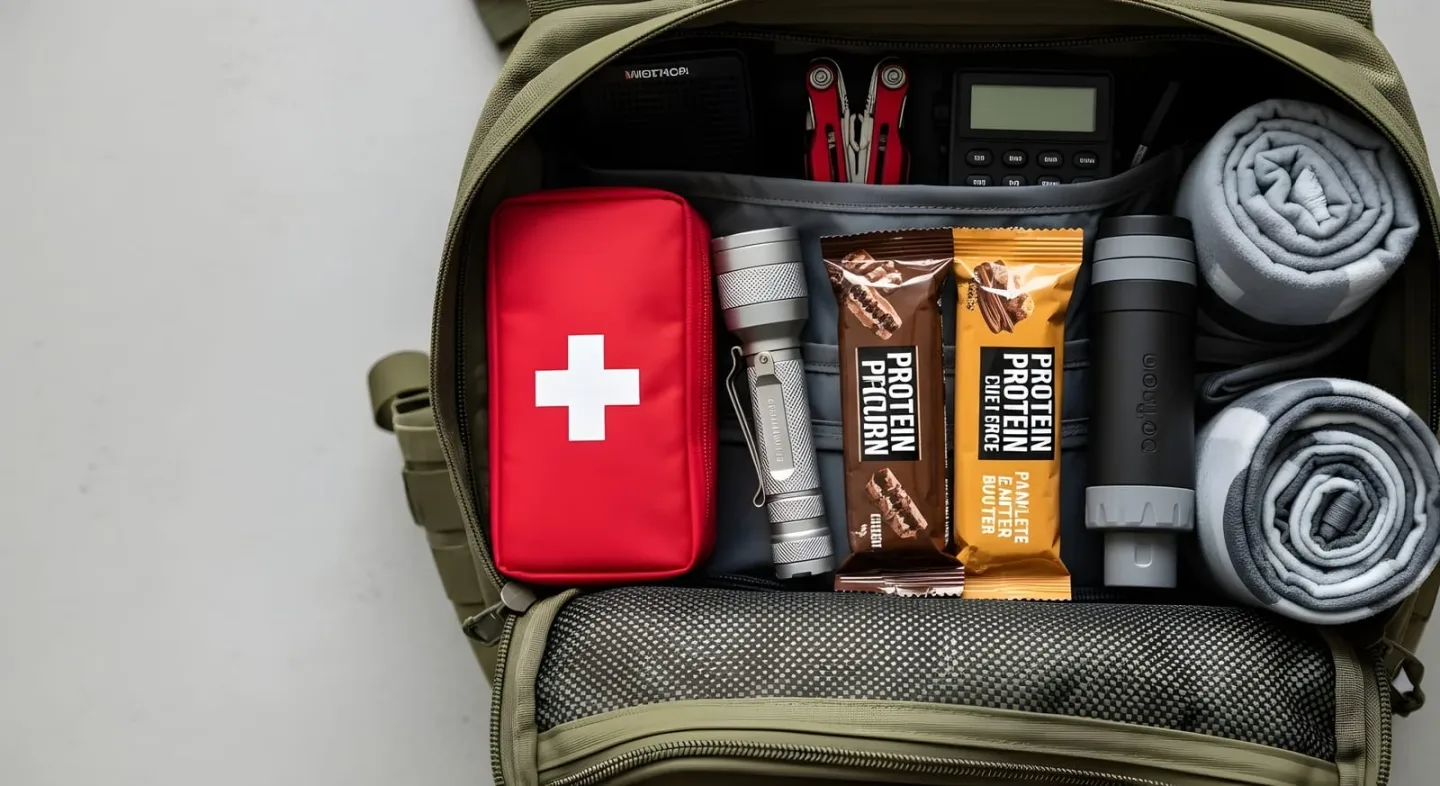


Walking into the woods for the first time brings a mix of excitement and a slight, healthy dose of trepidation. The air smells different, the sounds are unfamiliar, and the safety net of modern infrastructure begins to fade. To ensure that this experience remains positive, one must consider the physical reality of the environment.
Nature is indifferent to our presence; it operates on its own set of rules regardless of our skill level. This is why having the right outdoor survival gear is a fundamental requirement for anyone stepping away from the pavement. It isn't about being paranoid; it is about being prepared for the variables that define the wilderness.
Top 10 Outdoor Survival Gear for Beginners
Camper's Pick
Best for building a survival kit you'll actually know how to use
The best survival gear is gear you've practiced with before you need it. The following camping & safety collection covers the beginner survival essentials — fire starters, signaling mirrors, water purification, and emergency shelters — with beginner-oriented descriptions that explain the 'why' behind each item.
- Oakley Shop survival kit at Oakley
- Mountain Hardwear Shop survival kit at Mountain Hardwear
- Columbia Sportswear Shop survival kit at Columbia Sportswear
- Sorel Shop survival kit at Sorel
- Garmin Shop survival kit at Garmin
Building an outdoor survival gear kit does not require buying out an entire store. Instead, it involves selecting specific items that serve multiple purposes and address the most common needs in the wild. The following ten items are the pillars of a solid setup.
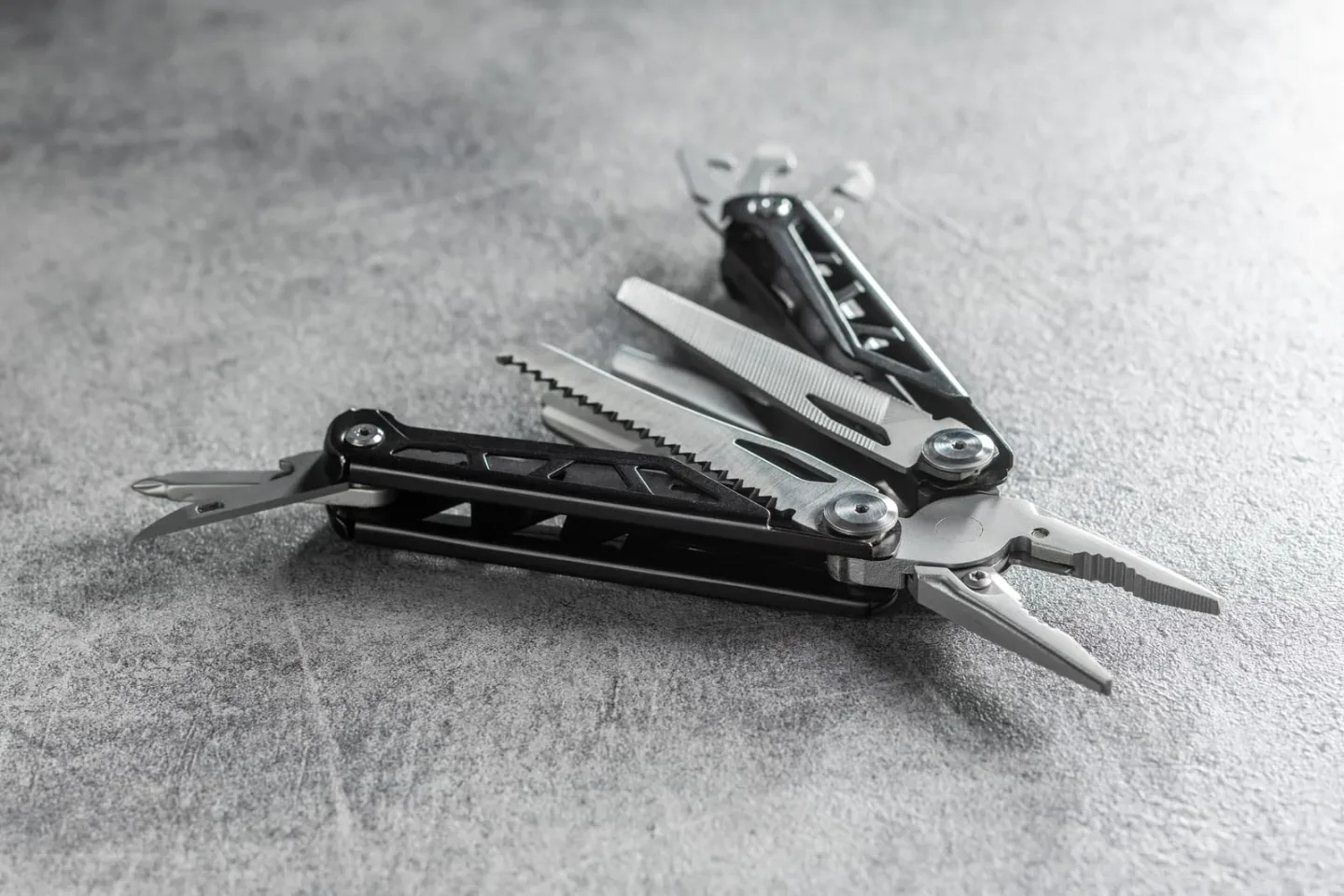
1. Multi-tool or Survival Knife
A blade is perhaps the most versatile tool a person can carry. Whether it is used for preparing food, cutting cordage, or making small repairs to other equipment, a sharp edge is a necessity. A multi-tool adds extra layers of utility with pliers, screwdrivers, and scissors, making it a compact powerhouse for mechanical fixes.
2. Fire Starter Kit
Being able to create heat is a primary survival skill. Matches can get wet, and lighters can run out of fuel, so a dedicated kit should include a waterproof container with stormproof matches and a ferrocerium rod. This ensures that even in damp conditions, a fire can be started to provide warmth and a way to cook.
3. First Aid Kit
Minor injuries like blisters or small cuts are common when hiking. If left untreated, they can lead to infection or make it impossible to keep moving. A well-stocked kit should include bandages, antiseptic wipes, pain relief medication, and moleskin. It is the one piece of outdoor survival gear that everyone hopes they never have to use but should always have within reach.
4. Water Filtration System
The human body can only last a few days without water, and drinking directly from a stream is a gamble with bacteria and parasites. A portable filter or purification tablets allow a hiker to replenish their supply from natural sources safely. It reduces the weight of the pack since it eliminates the need to carry gallons of water at once.
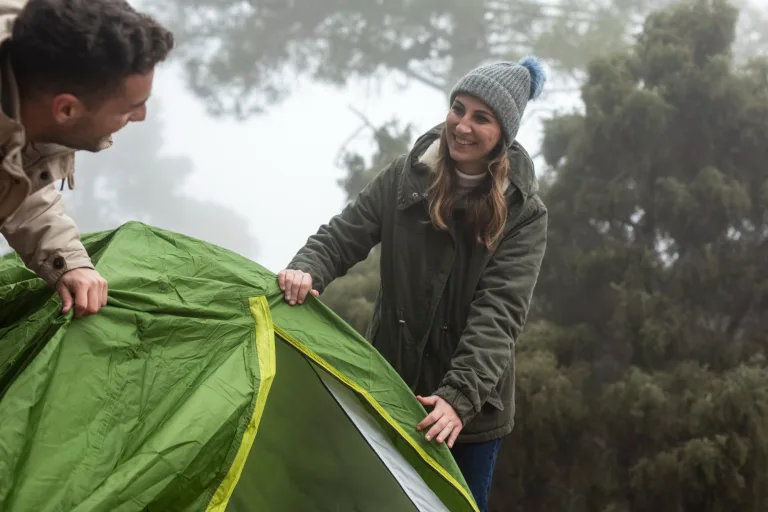
5. Emergency Shelter or Tent
Hypothermia is a real risk even in moderate weather if someone gets wet and the wind picks up. An emergency bivvy or a lightweight tent provides a barrier against the elements. Even a simple space blanket is a valuable addition to any outdoor survival gear kit because it reflects body heat back to the user.
6. Compass and Map
Electronics are wonderful until the battery dies or the signal vanishes behind a granite peak. A physical map and a compass are reliable tools that don't rely on satellites. Learning the basics of orientation is a core part of using outdoor and survival gear effectively.
7. Multi-purpose Paracord
Strength and versatility make paracord a favorite among experienced outdoorsmen. It can be used to lash gear together, hang food away from bears, or replace a broken shoelace. It takes up very little space but solves a hundred different problems.
8. Headlamp or Flashlight
The woods become incredibly dark once the sun sets. Navigating back to a trailhead or searching through a pack is impossible without a light source. A headlamp is often preferred over a flashlight because it keeps the hands free for other tasks.
9. Survival Food
Energy levels can plummet during physical exertion. High-calorie energy bars or dehydrated meals provide the necessary fuel to keep the body moving and the brain functioning clearly. It is wise to pack a bit more than what is planned for the day’s meals.
10. Emergency Whistle
If someone becomes lost or injured, shouting for help is exhausting and doesn't carry very far. A high-pitched whistle can be heard from a significant distance and requires much less energy to use. It is a simple, lightweight piece of outdoor survival equipment that can save a life.
How to Choose the Right Outdoor Survival Gear for Your Adventure
Selecting the right items is a process of matching tools to the environment. Not every trip requires a full expedition-grade setup, but every trip requires thought. The best way to approach this is to evaluate the specific variables of the outing.
Quick overview





Understand the Terrain and Weather Conditions
The gear needed for a desert hike is vastly different from what is required for a trek through a temperate rainforest. In arid climates, water storage and sun protection are the priorities. In wetter regions, moisture management and fire-starting capabilities take center stage.
Before buying any outdoor survival gear, check the local forecasts and research the geological features of the area. Is the ground rocky, sandy, or muddy? Are there steep elevation changes? These answers will dictate which pieces of outdoor survival equipment are most relevant.
Consider the Duration of Your Trip
A three-hour hike on a well-traveled path requires a much lighter outdoor survival gear kit than a multi-day trek into a remote wilderness area. For short trips, focus on the "ten essentials" in their most compact forms.
For longer stays, durability and comfort become more important. If the plan involves staying out overnight, the quality of the shelter and the amount of food must be scaled up accordingly. The goal is to avoid carrying unnecessary weight while still covering the basic needs of survival.
Budget and Quality Considerations
It is tempting to go for the cheapest options available, especially for a beginner. However, outdoor survival gear is an investment in safety. A cheap knife that breaks when it hits a knot in a piece of wood is worse than no knife at all because it provides a false sense of security. Look for reputable brands and read reviews from actual users. It is often better to have five high-quality items than ten low-quality ones.
Start with the basics—the knife, the fire starter, and the first aid kit—and add more specialized outdoor survival equipment as the budget allows. Quality gear often comes with warranties and is built to withstand the rigors of the wild.
Mastering Your Equipment
Possessing gear is only half of the equation; knowing how to use it is the other. Many people buy a compass and tuck it into a side pocket without ever learning how to take a bearing.
This lack of familiarity can lead to panic in a high-stress situation. Beginners should take the time to practice with their outdoor survival gear in a controlled environment. Try setting up the emergency shelter in the backyard. Practice striking the ferrocerium rod until a spark can be produced consistently. Open the first aid kit and familiarize yourself with the contents so you aren't searching for a bandage in the dark.
This preparation builds a level of muscle memory and confidence that is invaluable. When you know your outdoor and survival gear works, and you know exactly how to operate it, the wilderness feels less like a threat and more like a place to explore. This transition from "carrying stuff" to "utilizing tools" is what defines a competent outdoorsman.
- Check the expiration dates on medical supplies and food.
- Test the batteries in your headlamp before every departure.
- Ensure your blade is sharpened and free of rust.
- Refresh your knowledge of basic knots and navigation.
- Inform someone of your planned route and expected return time.
The Foundation of a Safe Experience
The lure of the wild is strong for a reason. There is a profound sense of peace to be found in the rustle of leaves and the absence of digital pings. However, that peace is predicated on the knowledge that one can handle what comes their way.
Bringing the right outdoor survival gear isn't an admission of fear; it is an act of respect toward the power of the natural world. By selecting the right tools and learning the skills to use them, a beginner can step into their first adventure with a clear head and a ready hand.
The best gear is the kind that sits quietly in a pack until it is needed, providing the security to focus on the beauty of the surroundings. Whether it is a simple whistle or a complex water filter, every piece of outdoor survival gear contributes to a successful outing.
As experience grows, the kit will likely evolve, becoming more refined and specific to the user's needs. But for that first step into the trees, these ten essentials provide the necessary safety net.