

According to the Outdoor Participation Trends Report by the Outdoor Foundation (2024), more than 175.8 million Americans participated in outdoor recreation in 2023, and camping in the national parks continues to rank among the most sought-after experiences on that list.
The demand is real, and so is the challenge: with over 400 national park units spread across every corner of the country, figuring out where to go, how to book, and what to expect can feel overwhelming before you've even packed a bag.
This guide cuts through the noise. Below, you'll find everything you need to understand how camping in national parks works, plus a ranked breakdown of 15 of the best destinations in the country, from family-friendly classics to backcountry gems that reward the extra planning it takes to reach them.
Can You Camp in National Parks?
Yes, the vast majority of national parks allow camping, and many of them are specifically designed around the camping experience. The National Park Service manages campgrounds across hundreds of park units, offering everything from full-hookup RV sites to remote wilderness permits.
Types of National Park Camping Available
Understanding the options before you book saves a lot of confusion. Here's what you'll typically find across the best national parks for camping:
- Developed campgrounds: The most common option. These include designated tent pads or RV sites, vault toilets or flush restrooms, bear-resistant food storage, and sometimes electrical hookups, running water, and camp stores. Reservations are usually required for these.
- Primitive camping: Designated sites with minimal or no amenities, typically just a flat area and a fire ring. Water sources are often nearby but must be treated. Fees are lower, and crowds are thinner.
- Backcountry camping: Requires a wilderness permit, issued separately from campground reservations. Campers must follow Leave No Trace principles, pack out all waste, and camp in designated sites or follow dispersed camping rules specific to each park.
- RV camping: Most developed campgrounds accommodate RVs, though size limits vary significantly by park. Hookups are available in some parks (like Yellowstone) but not all.
- Group campsites: Larger designated areas for groups, usually requiring advance reservation and minimum/maximum occupancy rules.
What Are the 15 Best National Parks for Camping in the U.S.?
The parks below were selected based on campground quality, scenery, variety of camping options, and overall experience. Here's a quick overview before we go deeper:
| Park | State | Best For | Camping Style |
| Yellowstone | WY/MT/ID | Wildlife, geothermal | Developed + RV |
| Yosemite | CA | Iconic valley scenery | Developed + Backcountry |
| Glacier | MT | Alpine wilderness | Developed + Backcountry |
| Grand Teton | WY | Mountain views | Developed + Backcountry |
| Great Smoky Mountains | TN/NC | Year-round access | Developed + Primitive |
| Joshua Tree | CA | Desert + stargazing | Developed + Primitive |
| Zion | UT | Canyon hiking | Developed + Backcountry |
| Acadia | ME | Coastal scenery | Developed |
| Rocky Mountain | CO | High Alpine | Developed + Backcountry |
| Olympic | WA | Diversity of ecosystems | Developed + Backcountry |
| Bryce Canyon | UT | Hoodoos + dark skies | Developed |
| Shenandoah | VA | East Coast accessible | Developed + Backcountry |
| Sequoia | CA | Giant trees | Developed + Backcountry |
| Arches | UT | Red rock landscape | Developed |
| North Cascades | WA | Remote wilderness | Primitive + Backcountry |
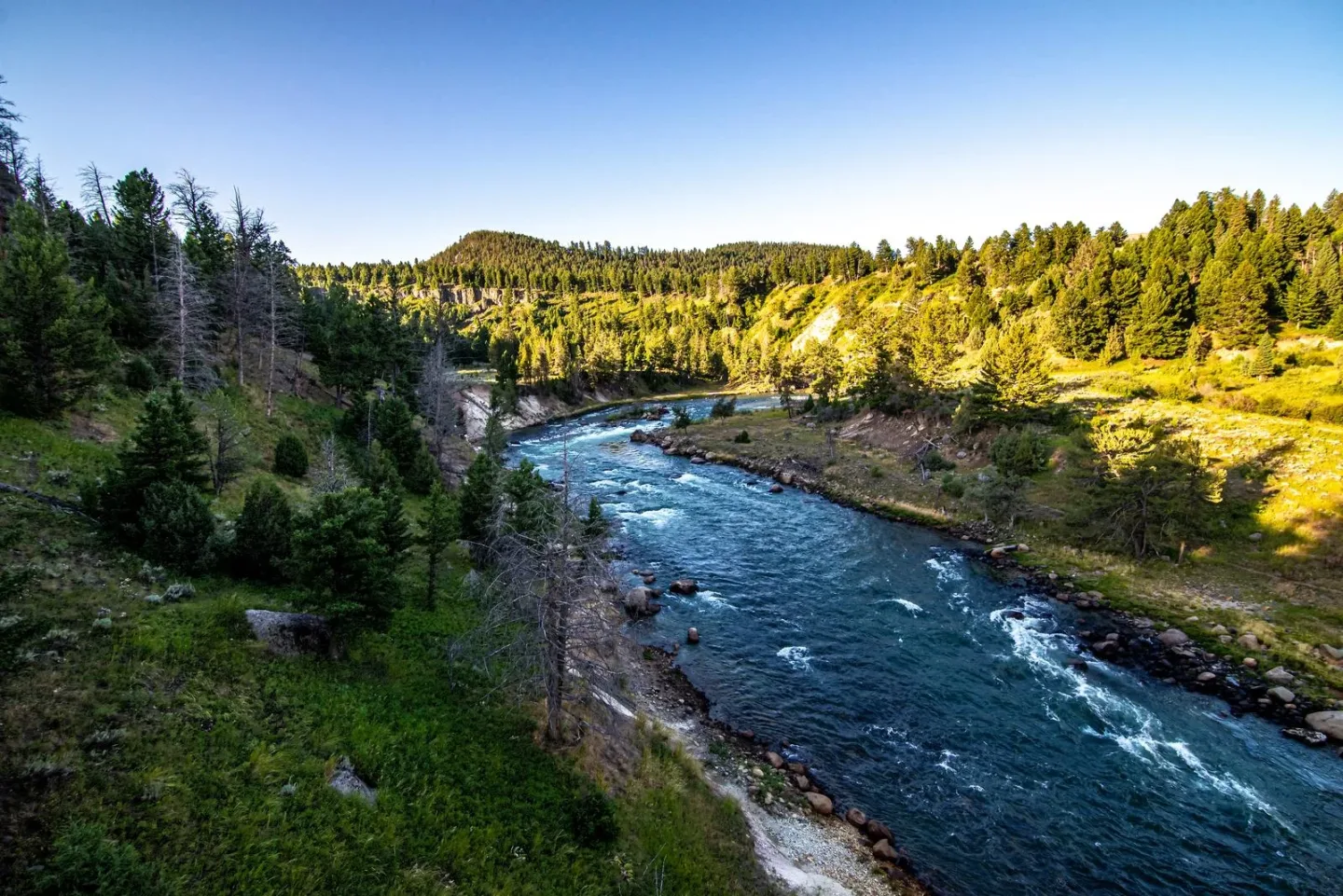
1. Yellowstone National Park, Wyoming, Montana, Idaho
- Best campgrounds: Madison, Bridge Bay, Norris
Yellowstone is America's first national park and one of the most complete camping experiences in the country. With 12 campgrounds and over 2,000 individual sites spread across the park's 2.2 million acres, it can absorb crowds better than almost any other park.
Campers have proximity to geysers, hot springs, wolf packs, grizzly bears, and bison herds, all from the same campsite.
- Best season: Late May through early September. Some campgrounds like Mammoth stay open year-round, but snow is possible at any elevation in shoulder months.
Pro tip: Madison Campground is centrally located and consistently popular; reserve it the moment the 6-month window opens.
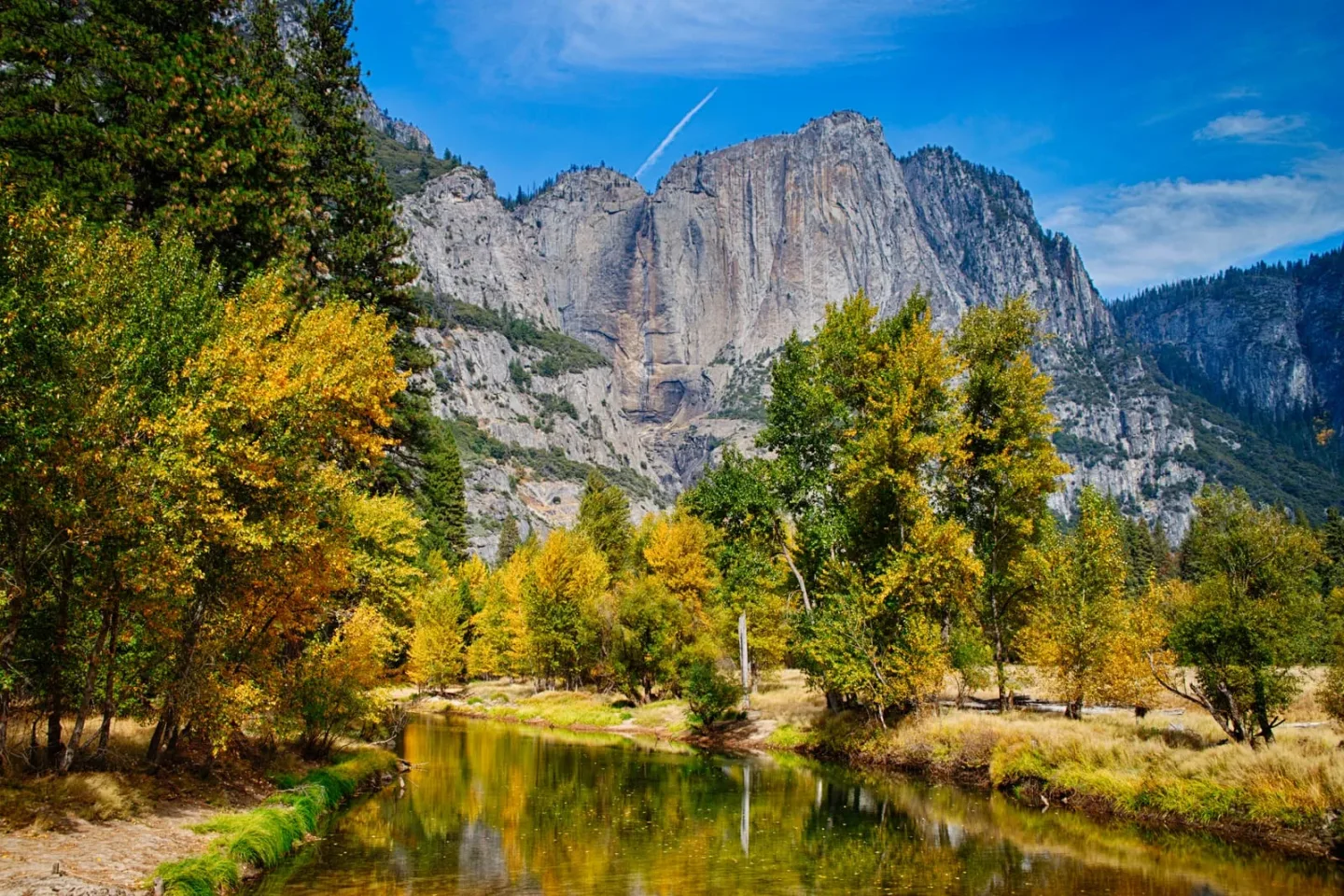
2. Yosemite National Park, California
- Best campgrounds: Upper Pines, North Pines, Tuolumne Meadows
Yosemite Valley camping is one of the most competitive reservations in the entire national park system. Waking up to views of El Capitan and Half Dome from a tent in Upper Pines is the kind of experience people plan years around. Campground reservations open exactly 5 months in advance at 7:00 AM Pacific and sell out within minutes for summer weekends.
- Best season: May through October for valley camping; Tuolumne Meadows opens late June after snowmelt.
Pro tip: If you can't get a valley reservation, Hetch Hetchy Backpackers Camp and Hodgdon Meadow on the park's western edge are often more available and still excellent.
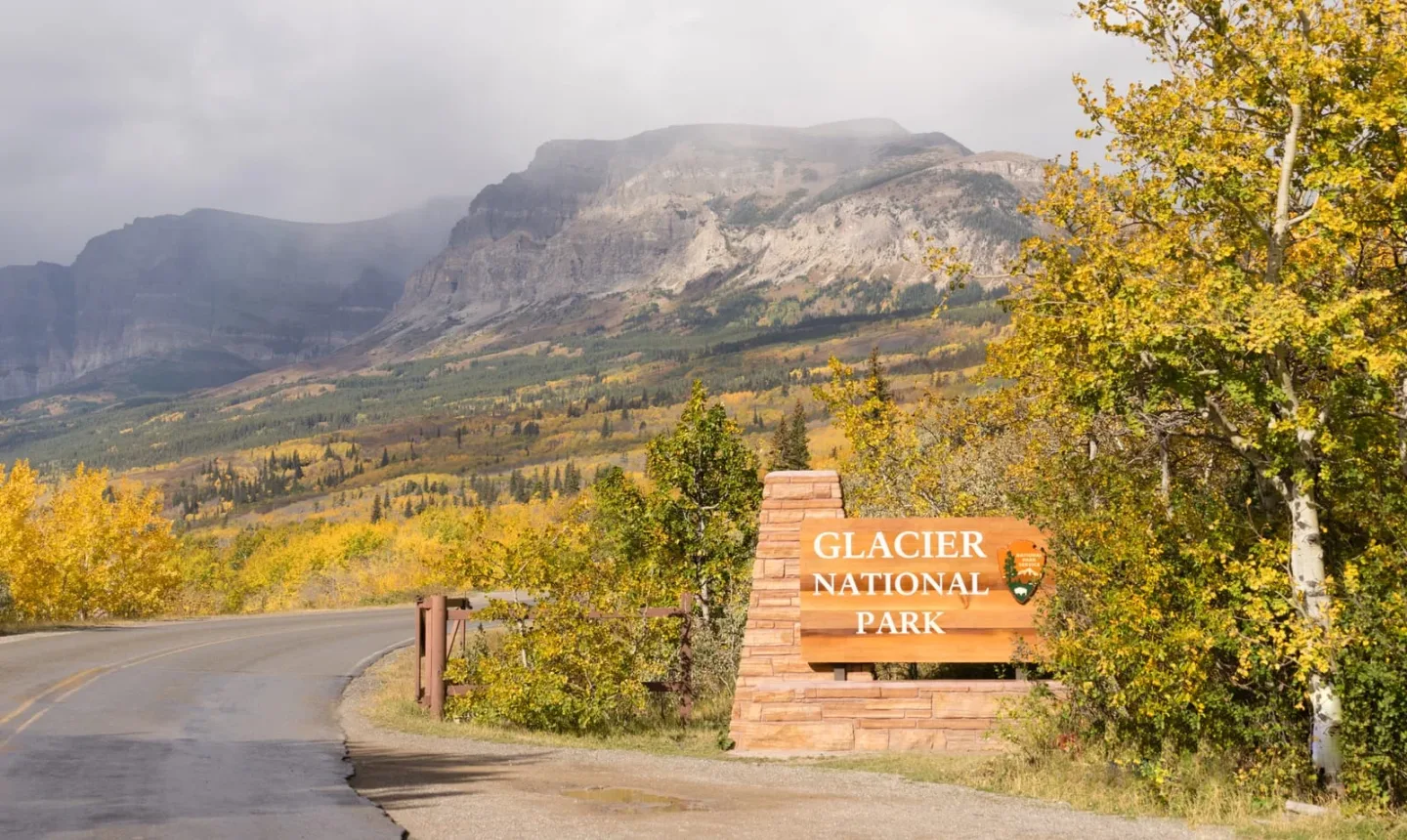
3. Glacier National Park, Montana
- Best campgrounds: Many Glacier, Apgar, Two Medicine
Glacier's campgrounds sit inside one of the last intact mountain ecosystems in the lower 48 states. Many Glacier Campground is a standout; it puts you in the heart of the most wildlife-rich valley in the park, within walking distance of trailheads for several of the best hikes in the region. Grizzly bears are a real presence here, which adds a level of immersion you won't find at most parks.
- Best season: Mid-July through September; the Going-to-the-Sun Road typically opens fully by late June.
Pro tip: Many Glacier Campground reservations go in seconds when they release. Have a backup plan at Apgar or Fish Creek near West Glacier.
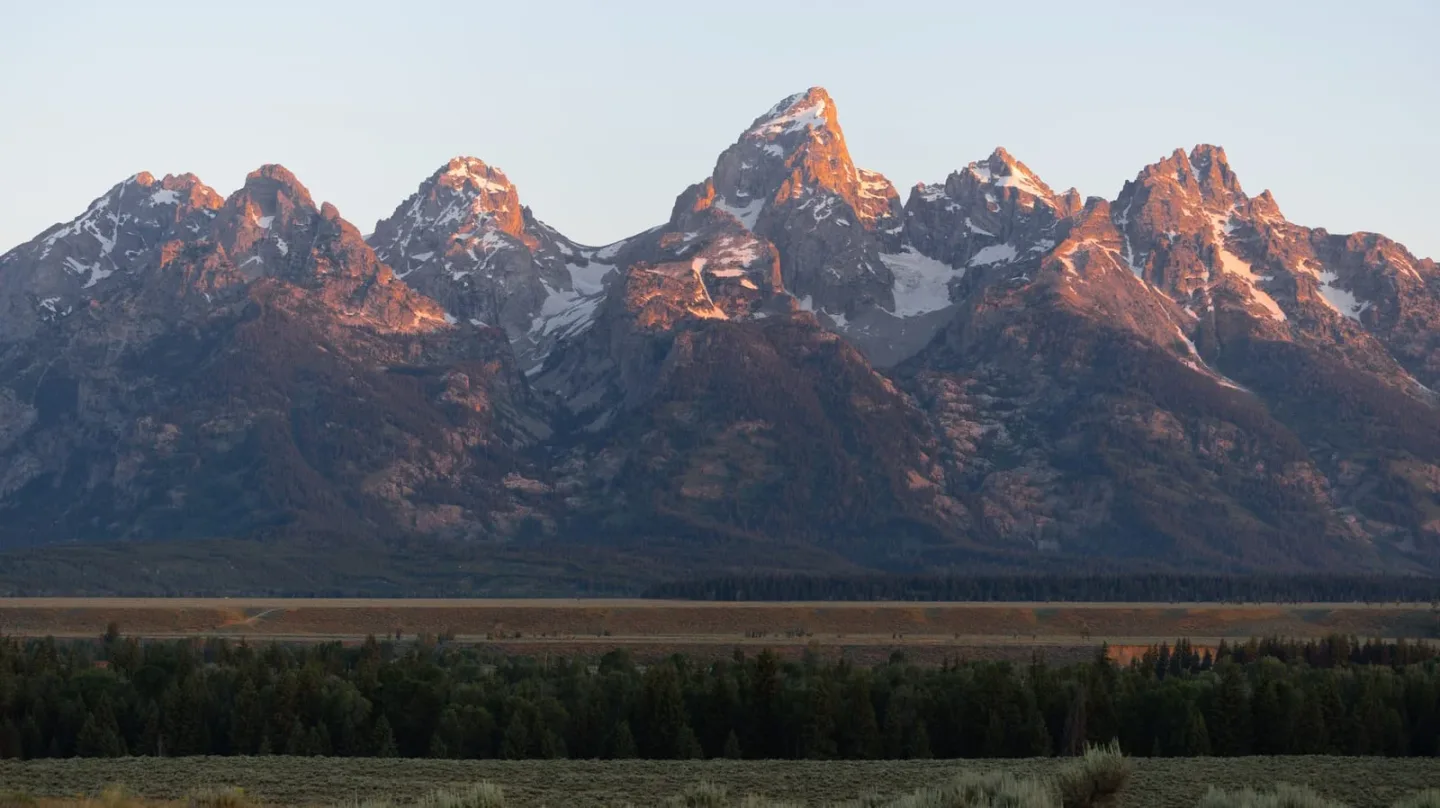
4. Grand Teton National Park, Wyoming
- Best campgrounds: Jenny Lake, Signal Mountain, Colter Bay
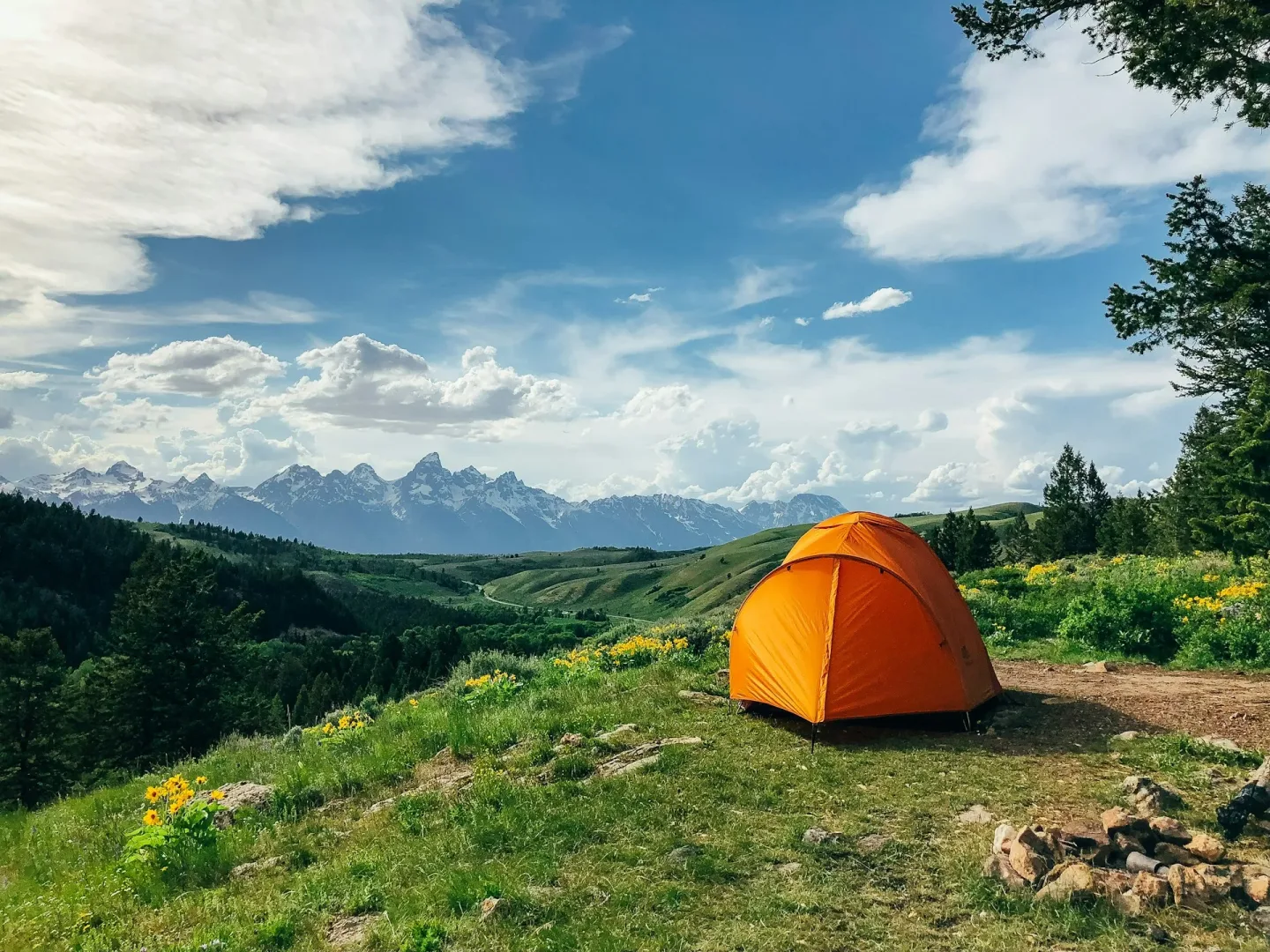
Grand Teton is one of the most visually dramatic camping destinations in North America. The Teton Range rises abruptly from the valley floor with almost no foothills, meaning your campsite views are unobstructed and extraordinary. Jenny Lake Campground, tent-only and limited to 51 sites, is consistently rated among the most beautiful campgrounds in any national park.
- Best season: June through September. Signal Mountain and Colter Bay accommodate RVs with electrical hookups.
Pro tip: Grand Teton sits just south of Yellowstone and makes an easy combined trip; plan 4-5 nights to do both parks justice.
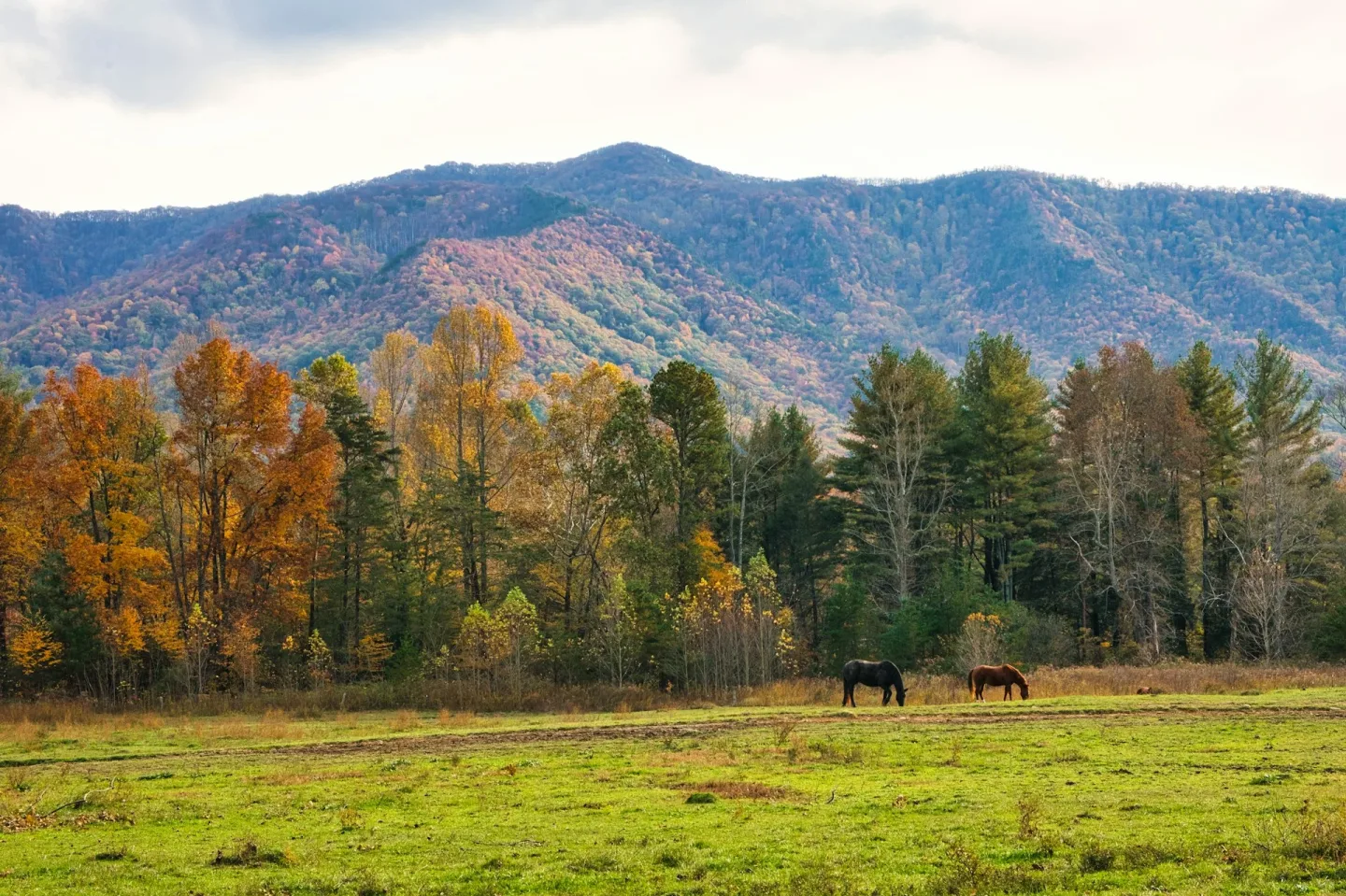
5. Great Smoky Mountains National Park, Tennessee/North Carolina
- Best campgrounds: Elkmont, Cades Cove, Cataloochee
Great Smoky Mountains is the most visited national park in the United States, welcoming over 13 million visitors annually, according to NPS Visitor Use Statistics (2023). The campgrounds are well-developed, widely distributed across both the Tennessee and North Carolina sides of the park, and open most of the year. Cataloochee Valley is particularly special, remote, lush, and home to a reintroduced elk herd.
- Best season: April through June for wildflowers; October for fall foliage (the busiest period in the park).
Pro tip: The Smokies are the best option on this list for winter camping in a relatively mild climate. Elkmont stays open year-round.
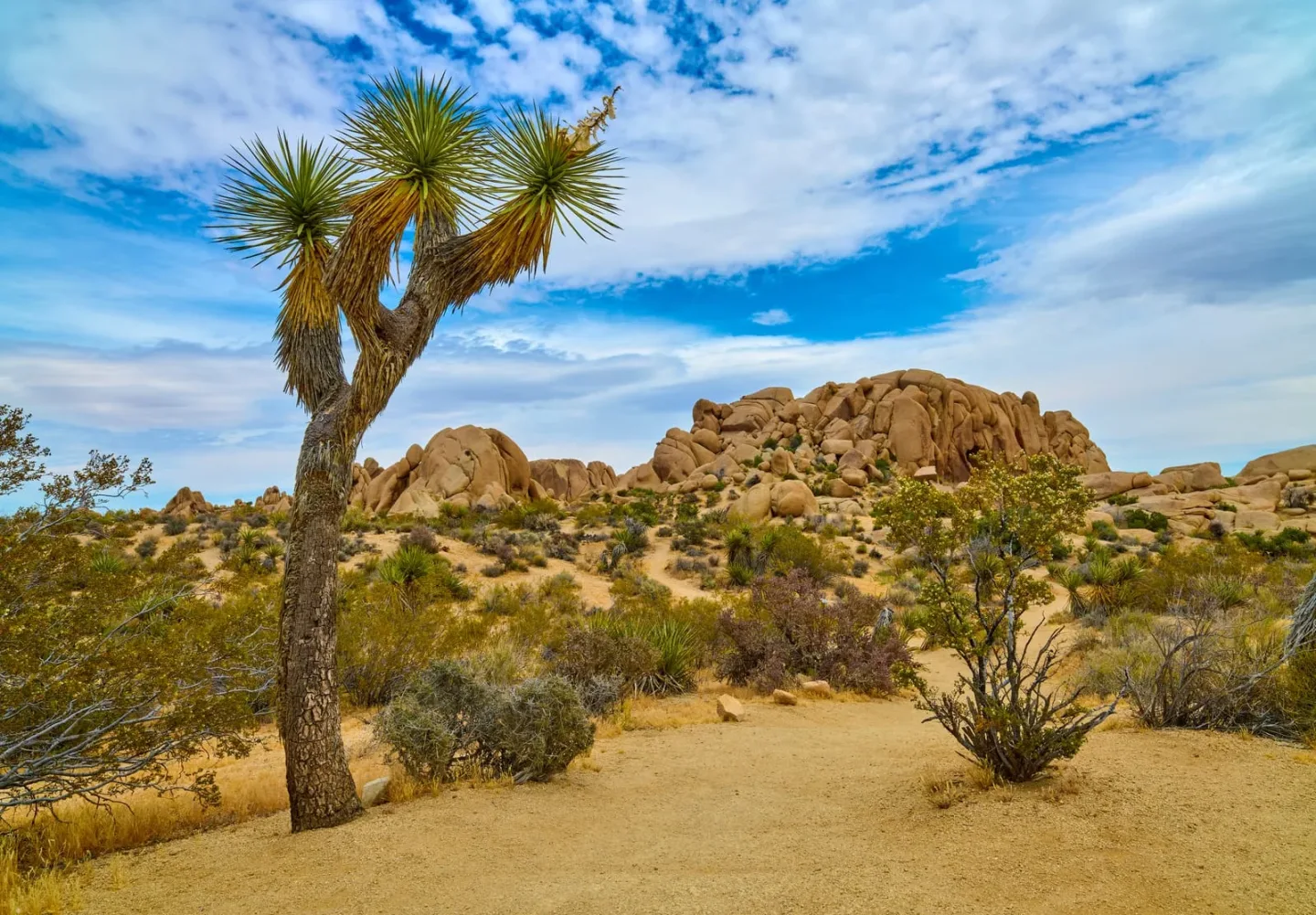
6. Joshua Tree National Park, California
- Best campgrounds: Jumbo Rocks, Hidden Valley, Ryan
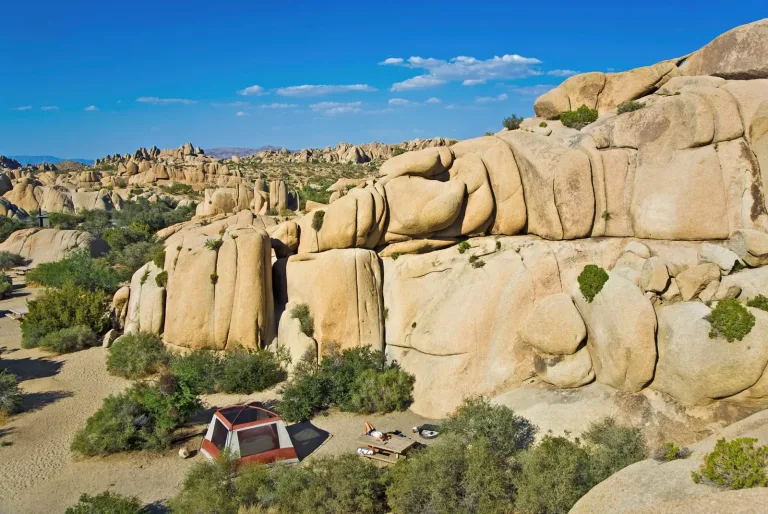
Joshua Tree sits at the intersection of the Mojave and Colorado Deserts, and its camping atmosphere is unlike anything else in this country. Nights here are extraordinarily dark; the park holds International Dark Sky Park status, and the boulder-strewn landscape looks like something from another planet. This is the best national park for camping on this list if stargazing is your priority.
- Best season: October through April. Summer temperatures regularly exceed 100°F, and camping becomes uncomfortable and potentially dangerous.
Pro tip: Most Joshua Tree campgrounds are first-come, first-served (except Black Rock and Cottonwood). Arrive Thursday afternoon for a weekend stay.
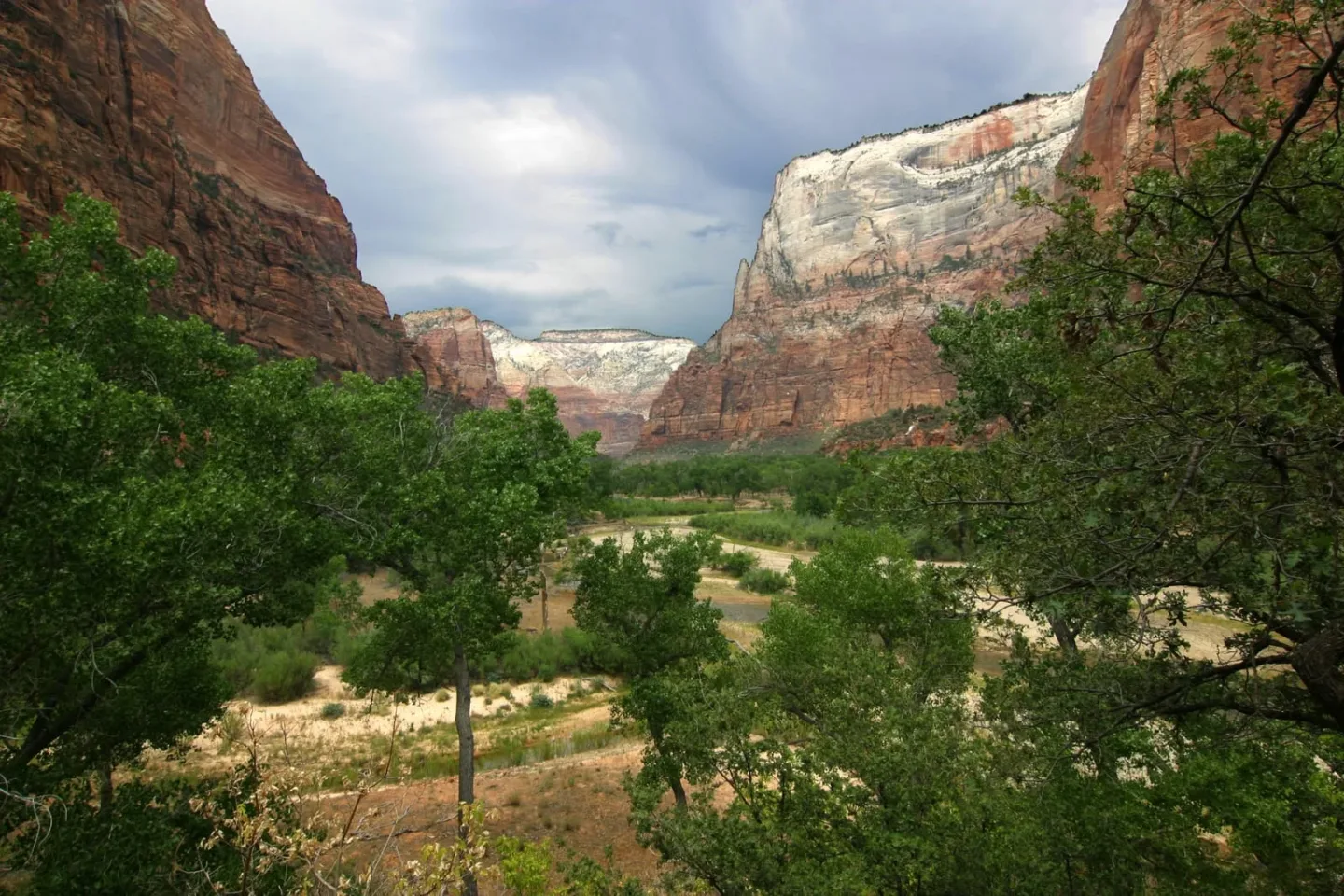
7. Zion National Park, Utah
- Best campgrounds: Watchman, South Campground
Zion Canyon's setting is among the most dramatic in the American Southwest. The two main campgrounds sit right in Zion Canyon, within walking distance of the shuttle stops that serve all major trailheads. Watchman Campground has some electrical sites for RVs. The trade-off is size; Zion has relatively few total campsites for its popularity, and reservations are extremely competitive May through October.
- Best season: March through May and September through November for ideal temperatures. Summer is hot, crowded, and busy.
Pro tip: Backcountry camping along the Zion Narrows or Kolob Canyons offers a dramatically different experience from the main canyon and requires a separate permit through the park.
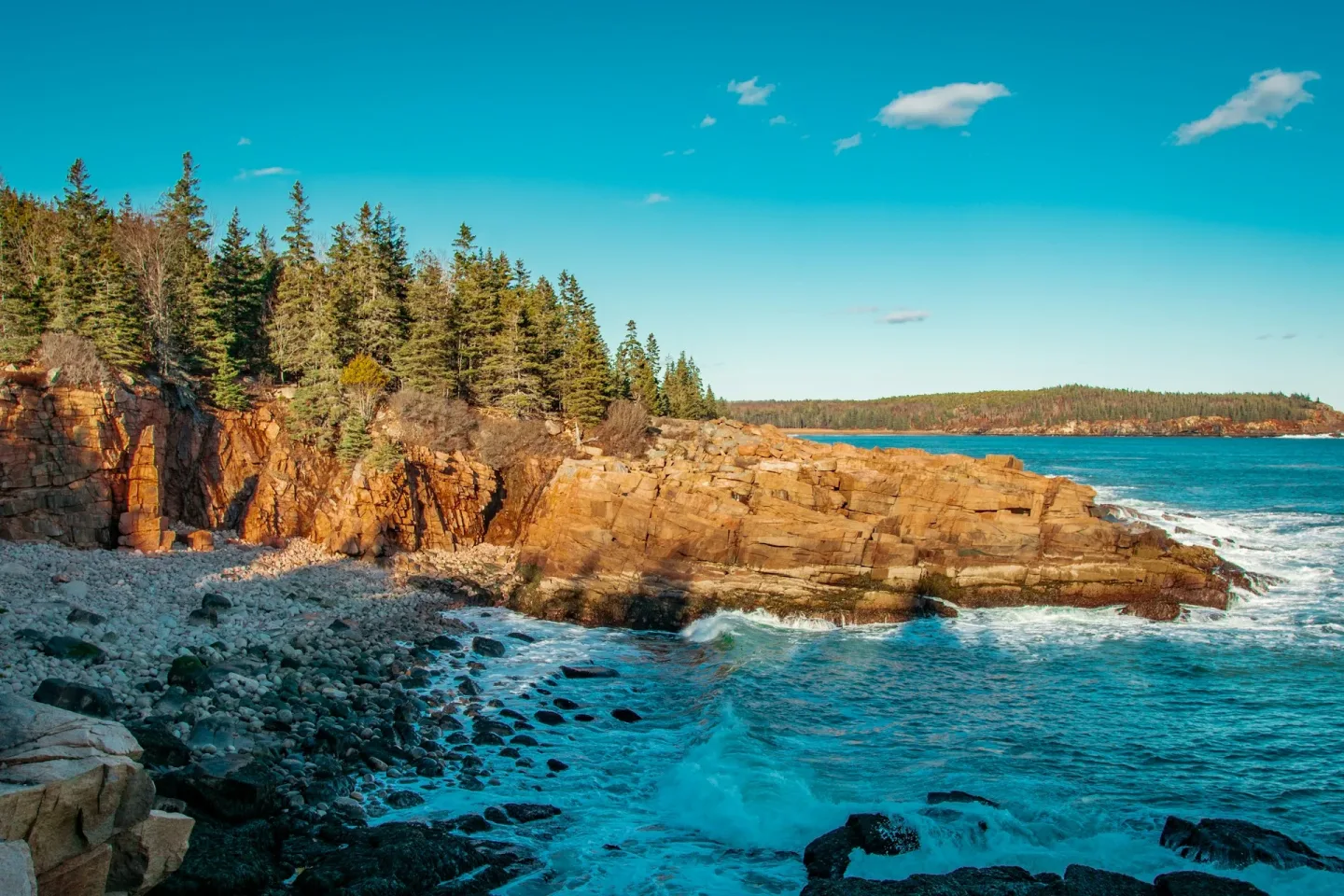
8. Acadia National Park, Maine
- Best campgrounds: Blackwoods, Seawall, Schoodic Woods
Acadia is the crown jewel of East Coast national park camping. The park occupies most of Mount Desert Island off the Maine coast, and its campgrounds sit within minutes of ocean cliffs, carriage roads, and the summit of Cadillac Mountain, the first place in the U.S. to see sunrise for much of the year. The camping season is compressed but magical.
- Best season: Mid-June through mid-October. Peak foliage in early October is spectacular and competitive.
Pro tip: Schoodic Woods Campground on the mainland peninsula is newer, less crowded than Blackwoods, and often has more availability.
9. Rocky Mountain National Park, Colorado
- Best campgrounds: Moraine Park, Glacier Basin, Aspenglen
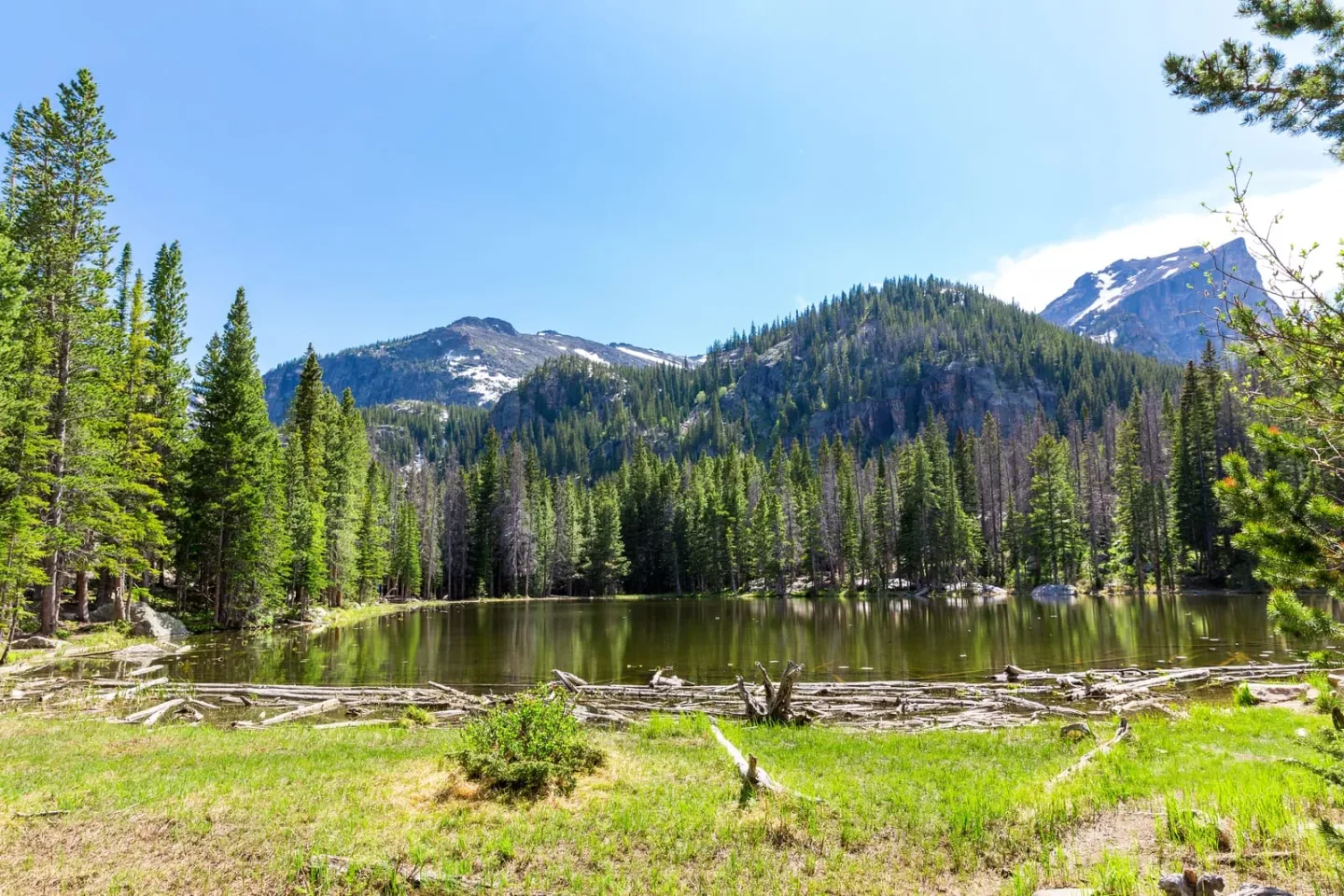
Rocky Mountain National Park offers camping at elevation; most sites sit above 8,000 feet, which means cool nights even in midsummer and views of tundra and 14,000-foot peaks from your tent door. The park uses a timed entry permit system in summer to manage crowding, which is separate from campground reservations. Plan both bookings simultaneously, or you may find yourself with a campsite and no way into the park.
- Best season: June through September; Moraine Park is open year-round for a winter experience.
Pro tip: Aspenglen Campground near the Fall River entrance is smaller and quieter than Moraine Park, a good choice for couples or solo campers.
10. Olympic National Park, Washington
- Best campgrounds: Hoh Rain Forest, Kalaloch, Sol Duc
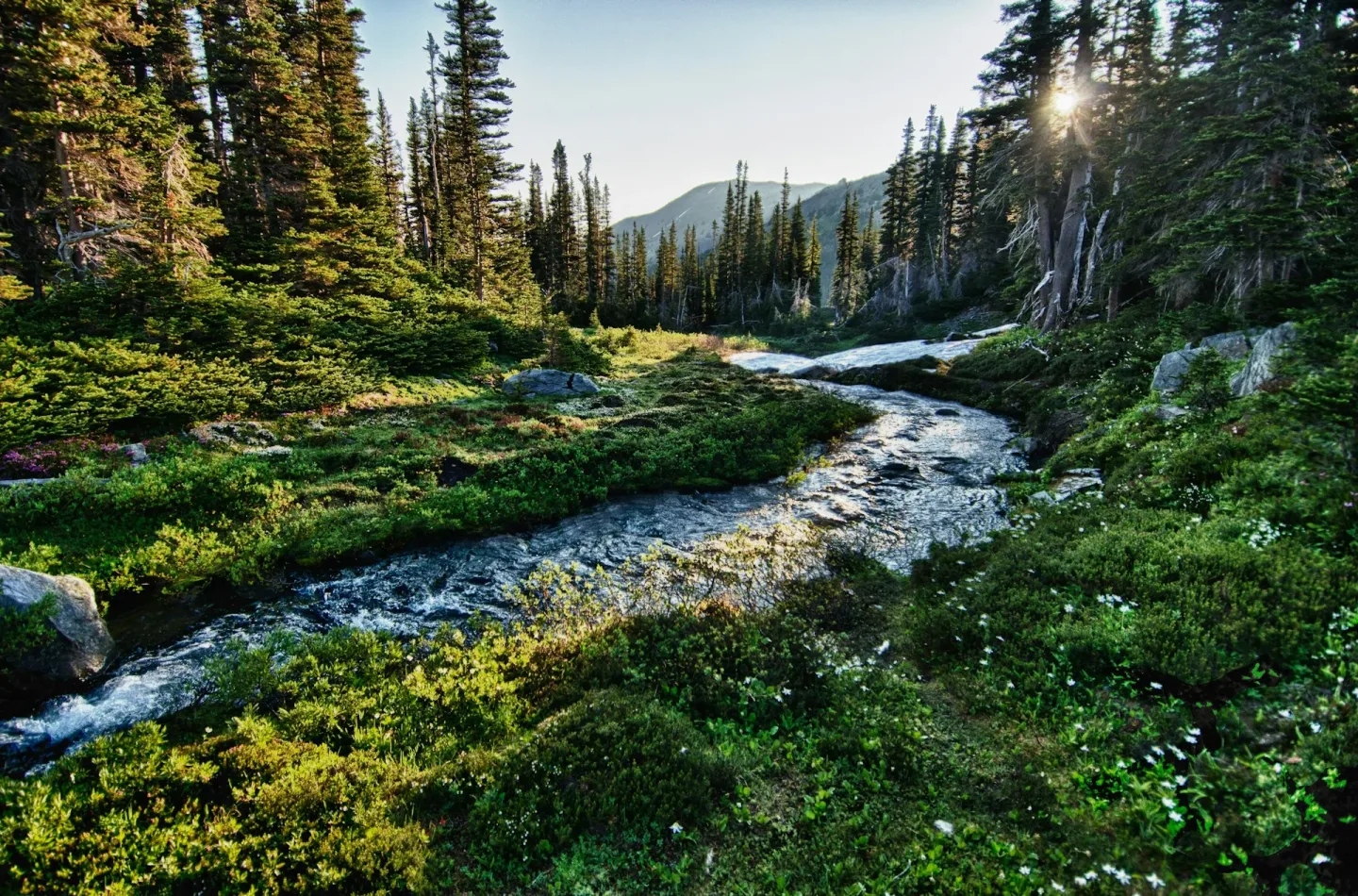
Olympic is one of the most ecologically diverse parks in the country, covering temperate rainforest, rugged Pacific coastline, and alpine wilderness all within the same park boundary. Kalaloch Campground sits on a bluff directly above the Pacific Ocean, and falling asleep to ocean waves is a camping experience most people don't expect to find in a national park.
- Best season: July through September for alpine areas; the rainforest and coast are accessible nearly year-round, though expect significant rain October through June.
Pro tip: Hoh Rain Forest Campground is one of the quietest, most atmospheric campgrounds in the entire national park system. It feels genuinely remote despite being accessible by car.
11. Bryce Canyon National Park, Utah
- Best campgrounds: North Campground, Sunset Campground
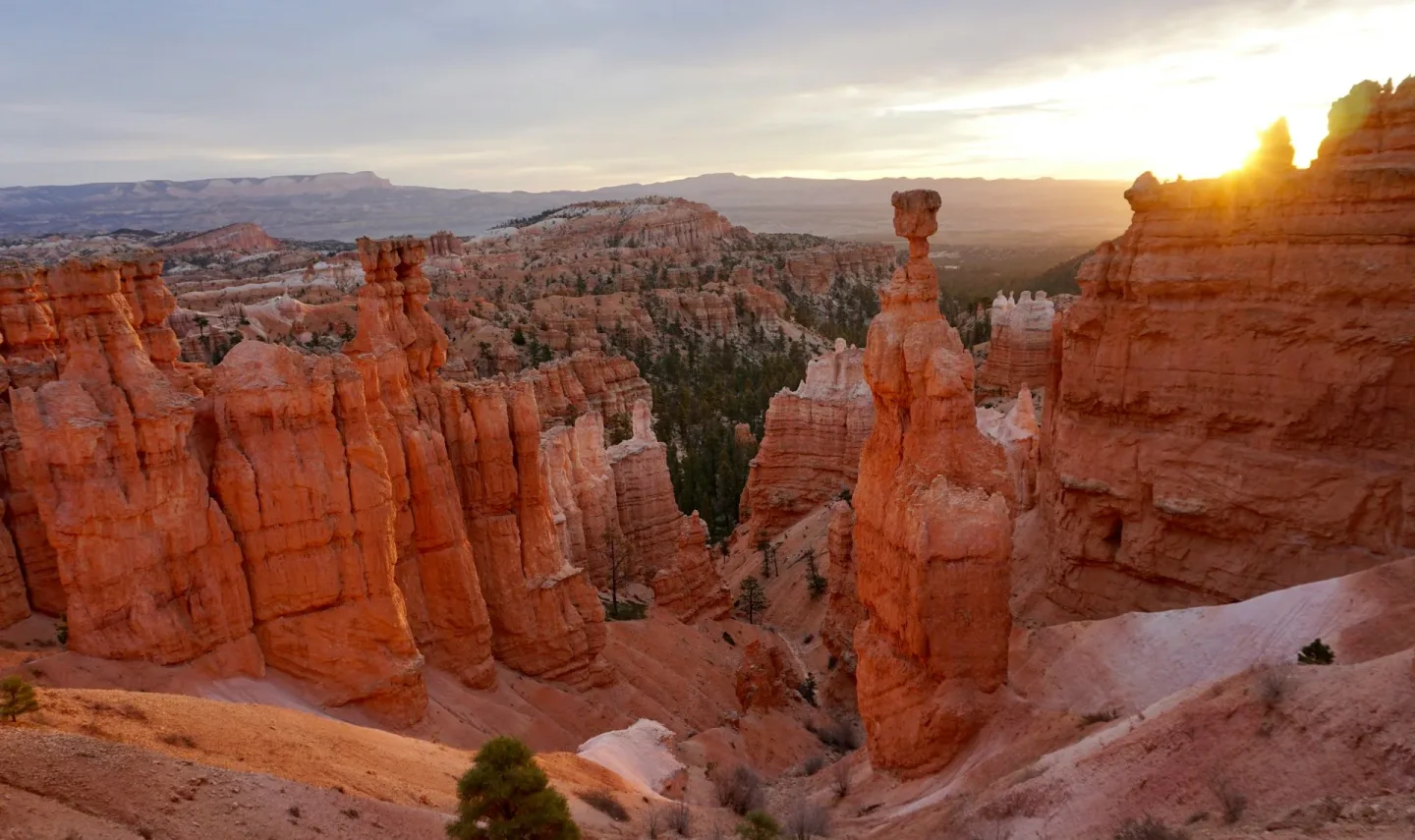
Bryce Canyon's hoodoos, the orange and red limestone spires that fill the canyon, are among the most otherworldly landscapes in North America. Both campgrounds sit right on the canyon rim, meaning stargazing from your site is extraordinary. The park's high elevation (8,000-9,000 feet) keeps temperatures cool even in midsummer.
- Best season: May through October; July and August bring afternoon thunderstorms, but mornings are clear and beautiful.
Pro tip: Bryce pairs naturally with Zion and Arches for a classic Utah national park road trip. Allow at least 2 nights here to fully explore the amphitheater trails.
12. Shenandoah National Park, Virginia
- Best campgrounds: Big Meadows, Mathews Arm, Lewis Mountain
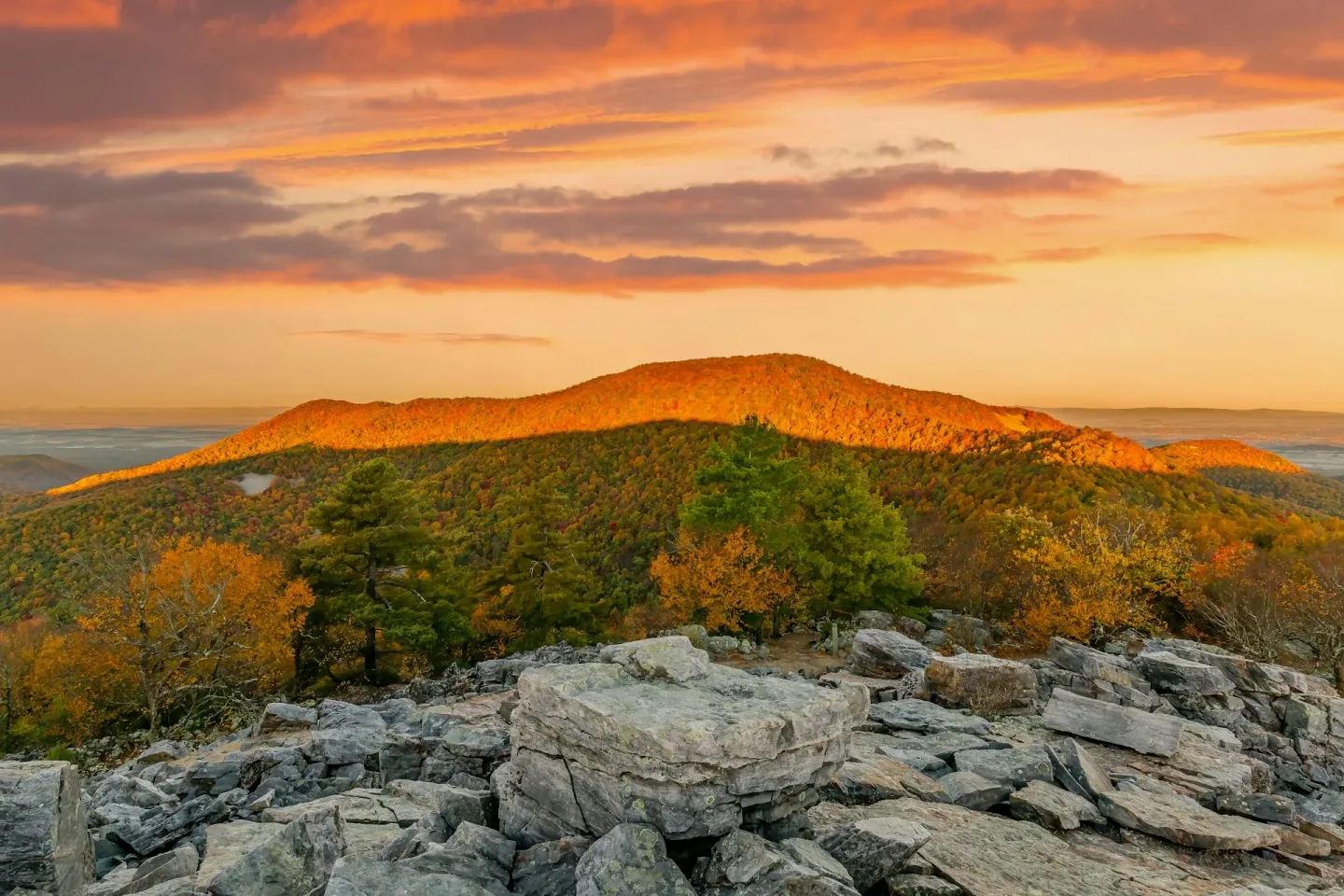
Shenandoah is the most accessible entry on this list for campers in the Mid-Atlantic and Northeast. The park runs 105 miles along the Blue Ridge Mountains in Virginia, with Skyline Drive connecting all the major campgrounds and viewpoints. Big Meadows is the most popular campground; it sits at the widest point of the park with a visitor center, camp store, and easy access to waterfalls and ridge trails.
- Best season: April through November. October foliage is exceptional and draws the highest crowds.
Pro tip: Shenandoah has 101 miles of the Appalachian Trail running through it, making it one of the best parks for combining campground stays with long-distance trail sections.
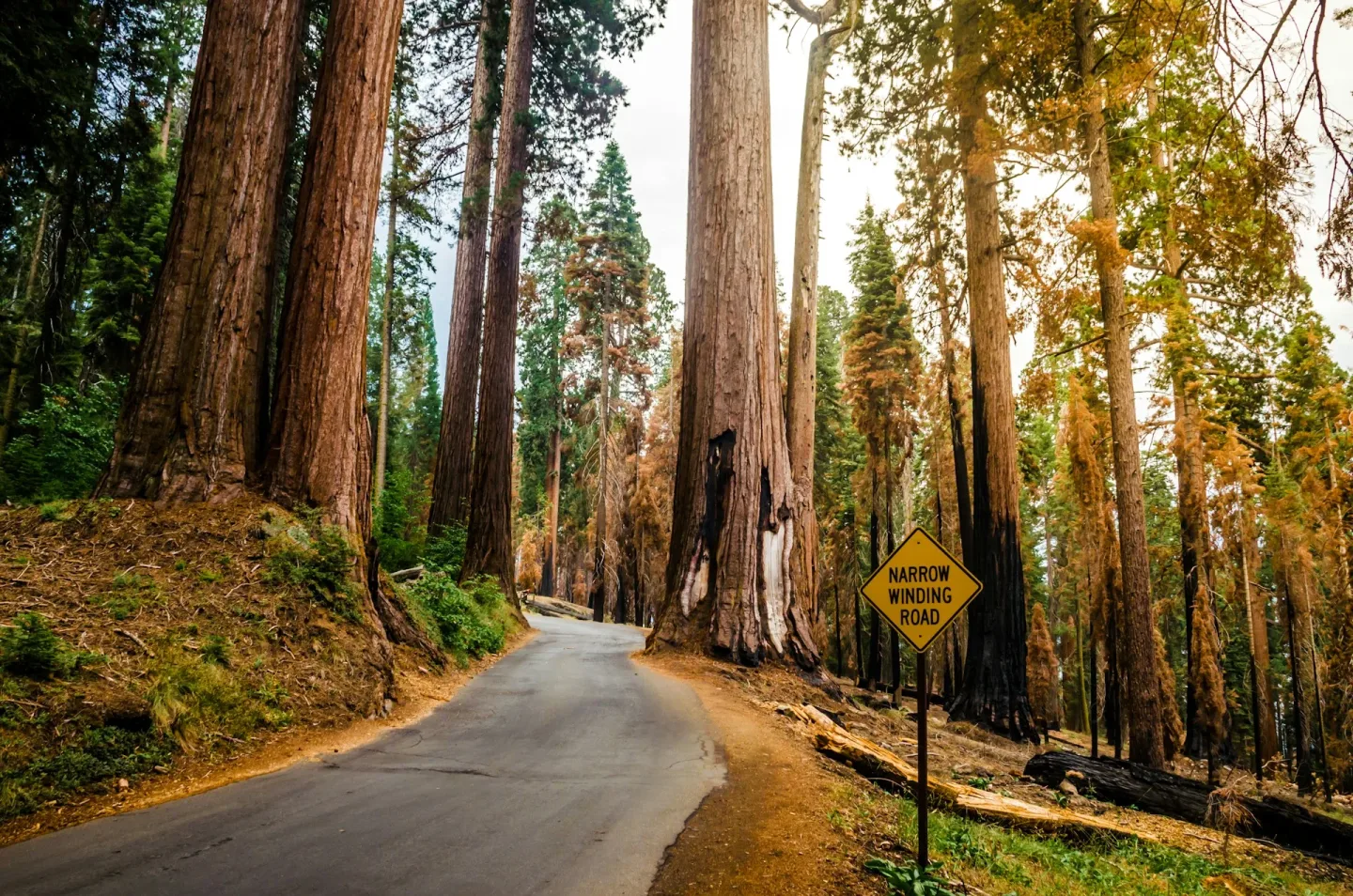
13. Sequoia National Park, California
- Best campgrounds: Lodgepole, Dorst Creek
Camping among the giant sequoias is a genuinely humbling experience. These are the largest trees on Earth by volume, and standing among them in the early morning quiet of a campsite is something that's hard to describe until you've felt it. Lodgepole Campground near the Giant Forest is the most central option with good facilities and proximity to the General Sherman Tree.
- Best season: May through October for most campgrounds; some close in winter due to snow at elevation.
Pro tip: Combine Sequoia with neighboring Kings Canyon National Park; they're managed together, and a single park pass covers both. Together, they offer one of the most complete California mountain camping experiences available.
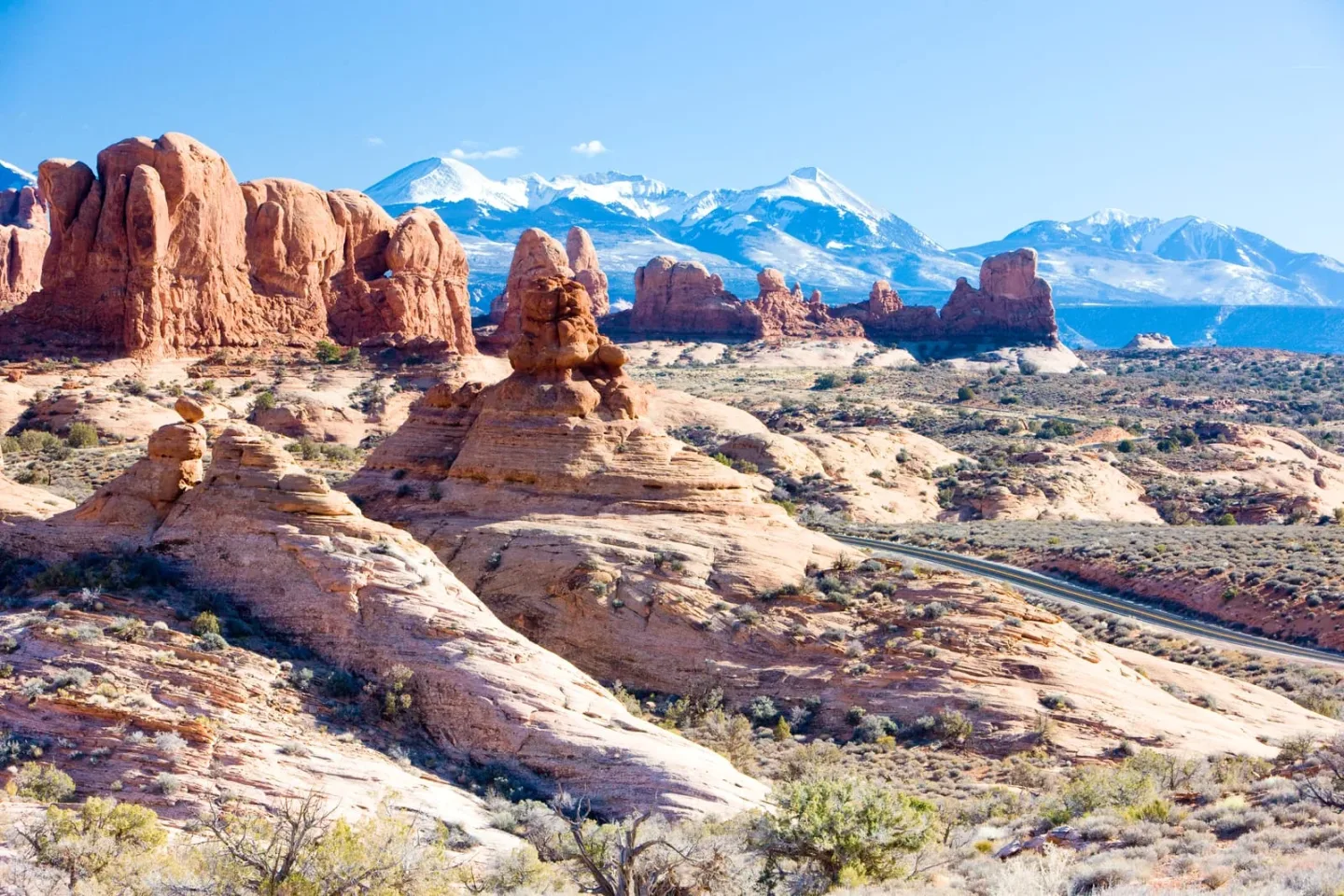
14. Arches National Park, Utah
- Best campground: Devils Garden
Arches has exactly one campground, and it's worth every effort to book it. Devils Garden Campground sits at the far end of the park's main road, putting you closest to the most dramatic formations and furthest from the day-trip crowds that pack the park's popular viewpoints. Sunrise at Arches, when the sandstone turns deep red and orange, is best experienced from a campsite rather than a day-trip parking lot.
- Best season: March through May and September through November. Summer is brutally hot, and winter nights drop well below freezing.
Pro tip: Devils Garden fills months in advance for spring and fall weekends. If you can only get weekday dates, take them; fewer day visitors make the whole experience better.
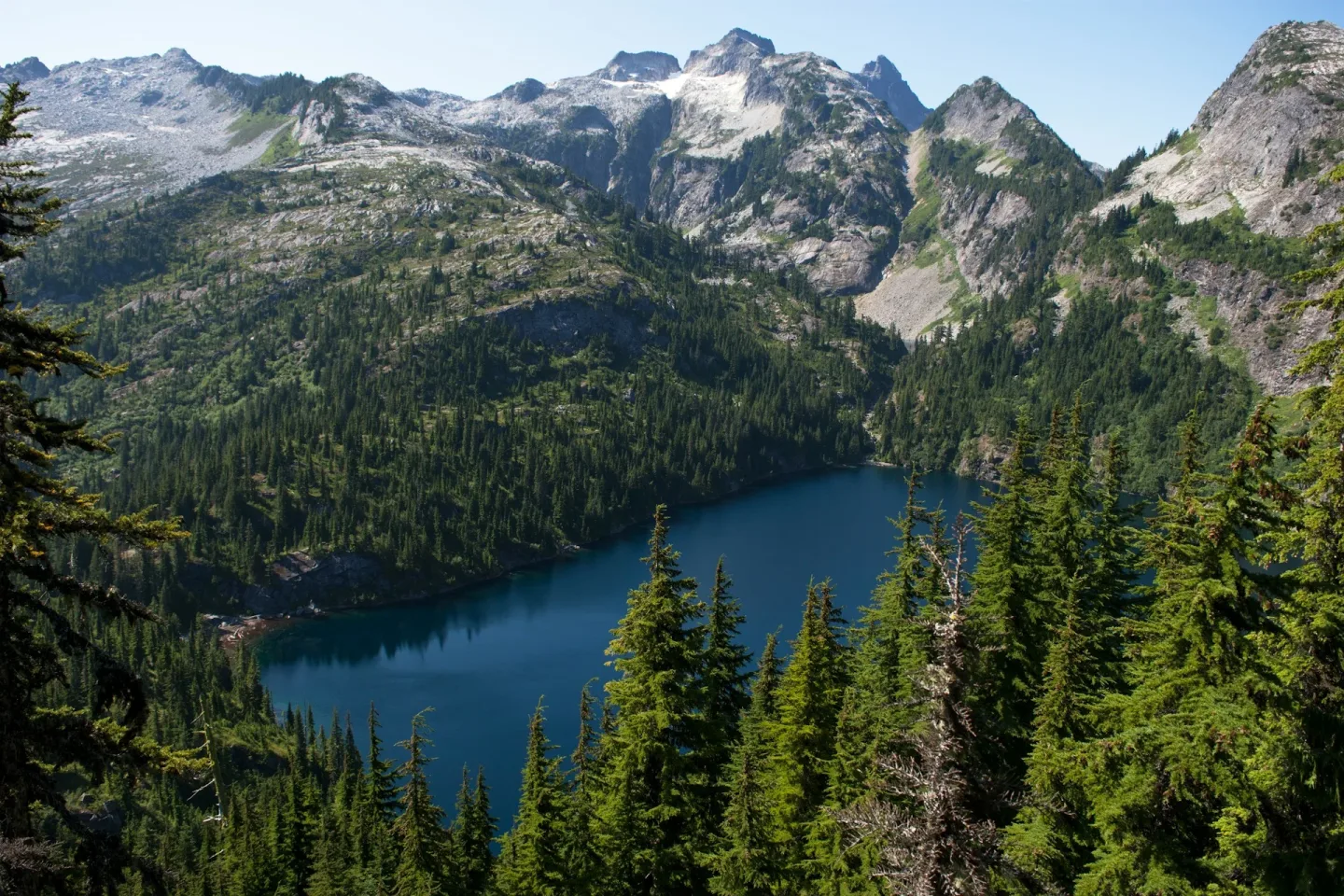
15. North Cascades National Park, Washington
- Best campgrounds: Colonial Creek, Newhalem Creek, backcountry sites
North Cascades is the hidden gem of this entire list. It's one of the least visited national parks in the contiguous U.S., yet it holds some of the most dramatic mountain scenery anywhere in North America. Jagged peaks, more glaciers than any other park outside Alaska, and deep river valleys define the landscape. The campgrounds along Highway 20 are beautiful, and the backcountry is genuinely wild.
- Best season: July through September. The park's mountains trap heavy precipitation, and snowpack lingers well into summer at elevation.
Pro tip: North Cascades is ideal for experienced campers and backpackers who want wilderness without the permit competition of Yosemite or the Rocky Mountains. Free wilderness permits are required for backcountry camping but are much easier to obtain here.
What Should You Know Before Booking a National Park Camping Trip?
Planning ahead is the single factor that separates a great national park camping trip from a frustrating one. The parks on this list receive millions of visitors, and the campgrounds fill up accordingly.
The biggest mistakes campers make when planning national park camping:
- Waiting until 4-5 months in advance and missing the reservation window entirely
- Not reading the campground-specific rules on Recreation.gov (size limits for RVs, quiet hours, pet policies)
- Assuming a campground reservation means access to the park, some parks require separate vehicle entry reservations
- Underestimating how cold nights get at elevation, even in July and August
- Skipping the bear canister or bear box requirement and losing food (or getting fined)
How to plan a national park camping trip that actually works:
- Pick your park first. Use the table above to match your preferred camping style and travel region.
- Check Recreation.gov for the specific campground's reservation window. Set a reminder for the exact release date.
- Book the campground and then check if the park requires a separate entry reservation (Yosemite, Rocky Mountain, and Acadia all have seasonal entry systems).
- Plan your gear for night temperatures, not daytime highs. A campsite at 8,000 feet can drop to 35°F on a July night. Our complete guide to cold weather camping gear covers what to pack for any season.
- Review the campground's food storage requirements before you arrive. Most national park campgrounds require hard-sided containers or park-provided bear boxes, and violations carry significant fines.
- Pack the essentials list before you finalize your gear. Our camping essentials checklist covers the items most campers forget until they're already at the site.
The Bottom Line: National Park Camping Is Worth the Planning It Takes
The payoff for booking a national park campsite, even months in advance, is some of the most memorable camping available anywhere in the world. Waking up in Yosemite Valley, watching bison cross the road from your Yellowstone campsite, or listening to the Pacific waves from Kalaloch, these are experiences that stay with you.
The 15 parks on this list cover the full spectrum of what camping in national parks can offer: from the accessible and family-friendly (Great Smoky Mountains, Acadia) to the remote and demanding (North Cascades, Glacier). Every travel style and experience level has a natural home on this list.
Start with a park that matches where you are now, plan the reservation well in advance, and bring the right gear for the season. The rest takes care of itself.
Frequently Asked Questions
Can you camp for free in national parks?
Some national park camping is free or low-cost, but completely free camping inside national parks is rare. A few backcountry sites and primitive campgrounds have no fees, but most developed campgrounds charge between $15–$35 per night. The America the Beautiful Pass covers entrance fees, not camping. Free dispersed camping is sometimes available on nearby National Forest or BLM land outside park boundaries.
How long can you camp at a national park?
Most national park campgrounds allow stays of up to 14 consecutive days. Some high-demand parks or specific campgrounds, such as Yosemite Valley, reduce this limit to 7 days during peak season. After reaching the limit, campers must leave before returning. Rules vary by park and season, so always check Recreation.gov for specific campground policies.
How far in advance should I reserve a national park campsite?
For popular parks like Yosemite, Glacier, Grand Teton, and Rocky Mountain, reservations should be made as soon as they open, typically six months in advance. Less competitive parks may have availability 1–3 months ahead. For summer weekends, booking early is essential, and last-minute cancellations can sometimes open up spots.
Are pets allowed at national park campgrounds?
Pets are allowed in most national park campgrounds but are heavily restricted elsewhere. Dogs must remain leashed (usually 6 feet max) and are not permitted on most trails, in backcountry areas, park buildings, or shuttle systems. Parks like Acadia and Great Smoky Mountains offer more pet-friendly options, but rules vary widely by location.
Are campfires allowed in all national park campgrounds?
Campfires are not always allowed and depend on local fire conditions. Most developed campgrounds have fire rings, but restrictions are common during dry seasons, especially in western parks. At times, all open flames—including campfires and even stoves— may be banned. Always check current fire restrictions and bring a portable stove as a backup.