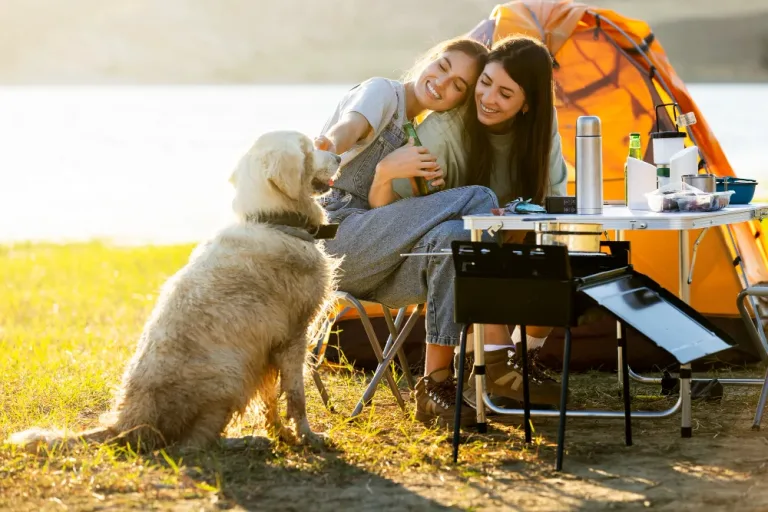
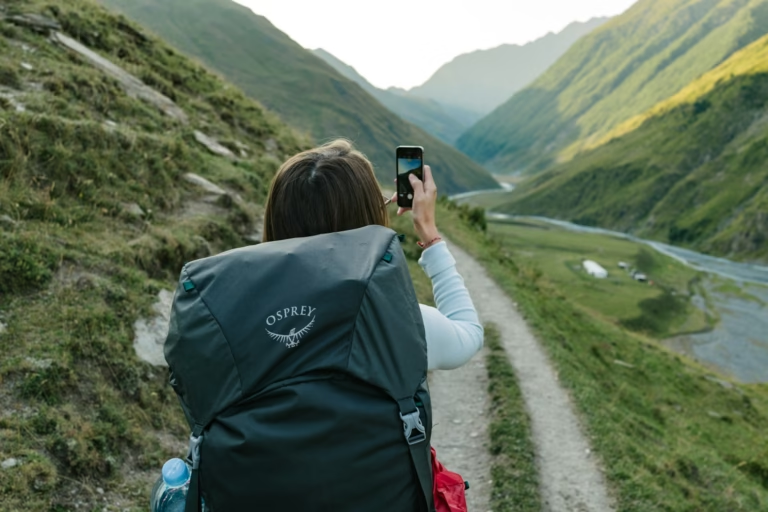
The choice between car camping vs tent camping depends entirely on your trip, your group, and how you like to experience the outdoors. Both styles are fantastic in their own right, and picking the wrong one for the wrong situation is where most campers go wrong.
According to the 2026 Camping & Outdoor Hospitality Report by KOA (Kampgrounds of America, 2026), over 52 million North American households camped in 2025, surpassing pre-pandemic participation levels. Camping is booming, and more people than ever are trying to figure out which style actually suits them. Whether you're brand new to the outdoors or just looking to mix things up, this guide breaks it all down for you.
Car camping vs tent camping is one of the most common questions new campers ask, and honestly, it's not a competition. It's a choice. Let's walk through what each style involves, how they compare side by side, and when one clearly wins over the other.
How Is Car Camping Different from Tent Camping?
Car camping and tent camping are not the same thing, even though they often happen in the same campgrounds. Understanding the difference helps you pack the right gear, book the right site, and set the right expectations before you leave home.
What Is Car Camping?
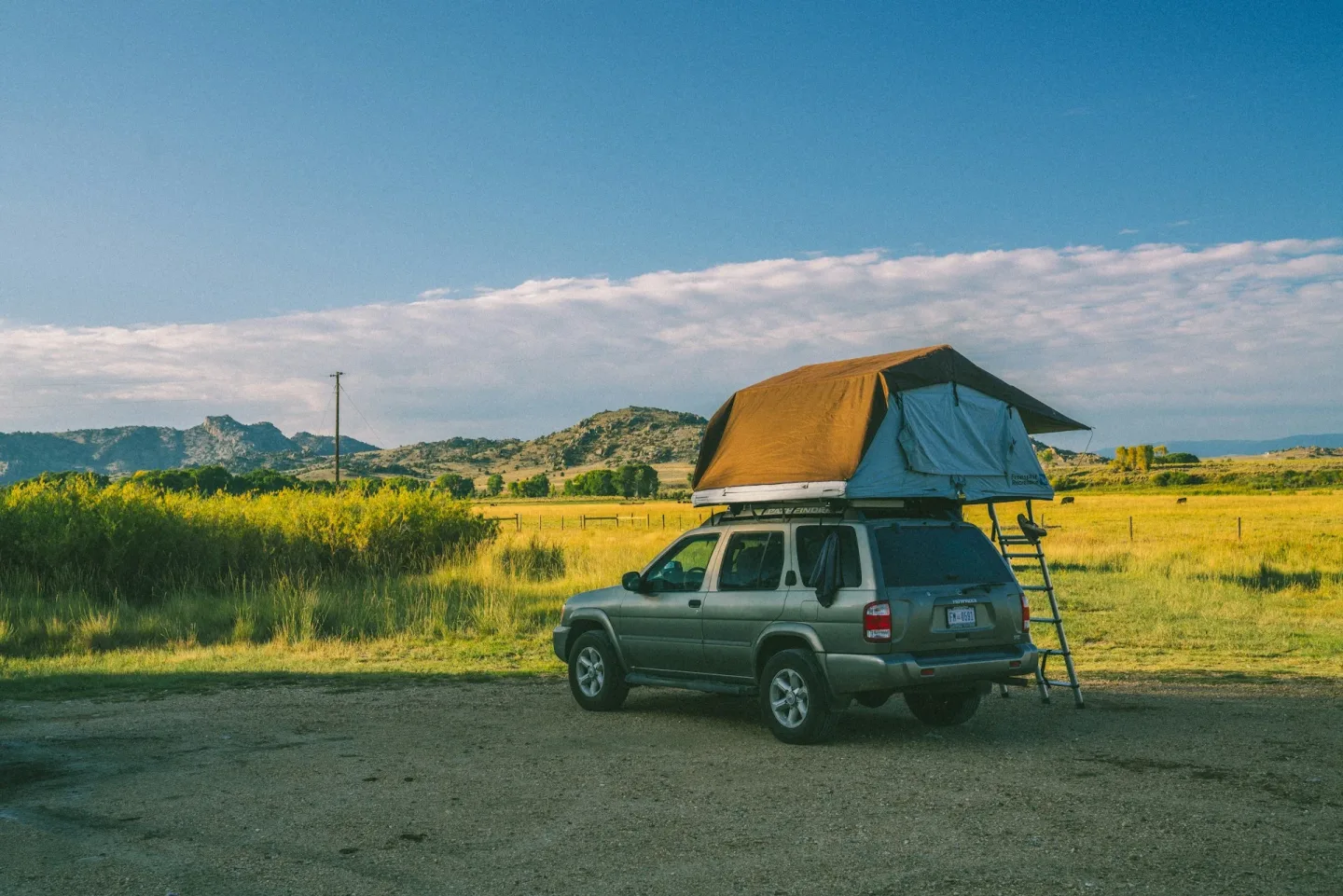
Car camping is a style of camping where you drive your vehicle directly to your campsite and either sleep inside it or set up camp right next to it. Your car, truck, SUV, or van is a central part of the experience.
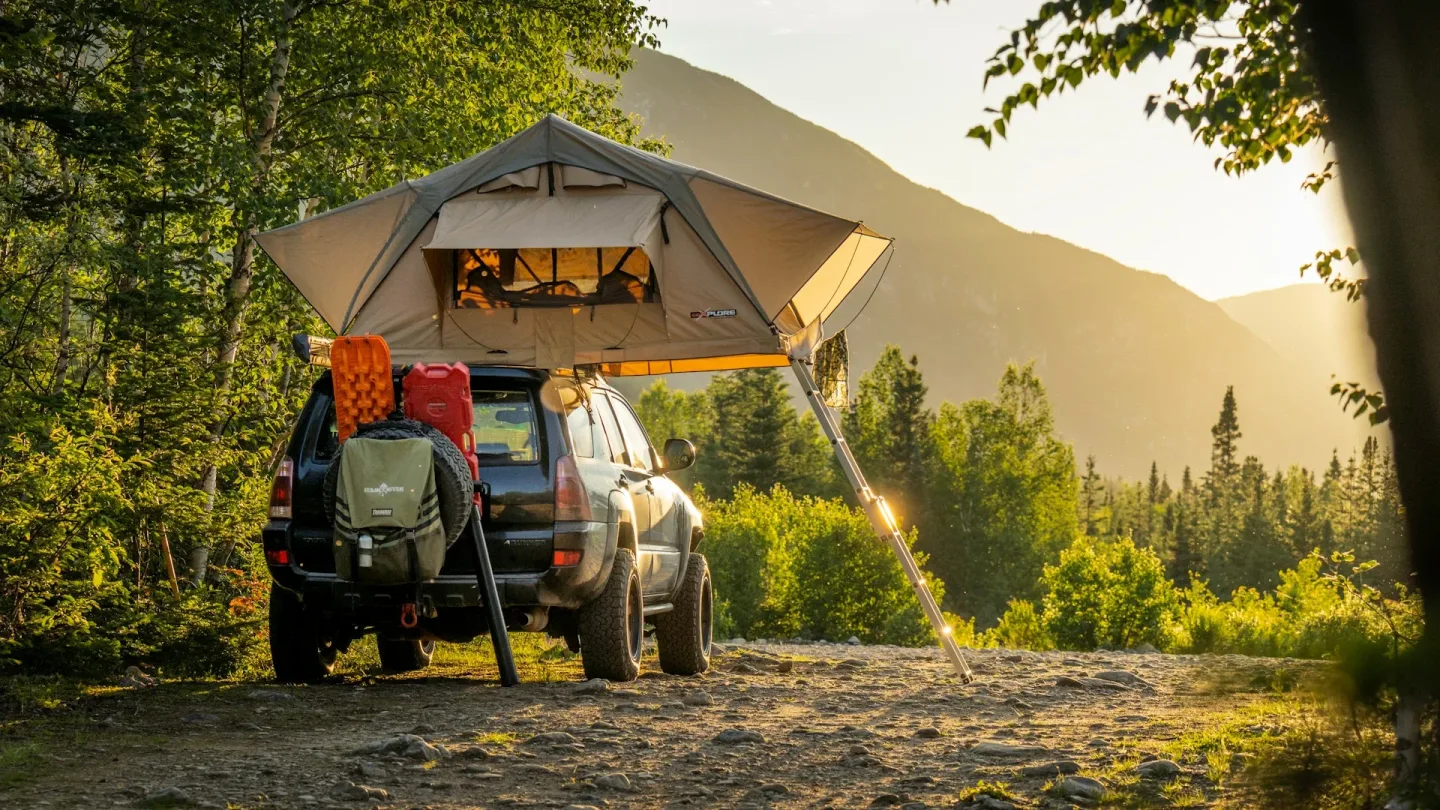
Common car camping setups include sleeping in a converted SUV or van, using a rooftop tent mounted on your vehicle, setting up a truck bed sleeping platform, or simply parking at a drive-in campsite and pitching a tent a few feet from your bumper. The key is that your vehicle stays close, giving you easy access to gear, food, and shelter at any time.
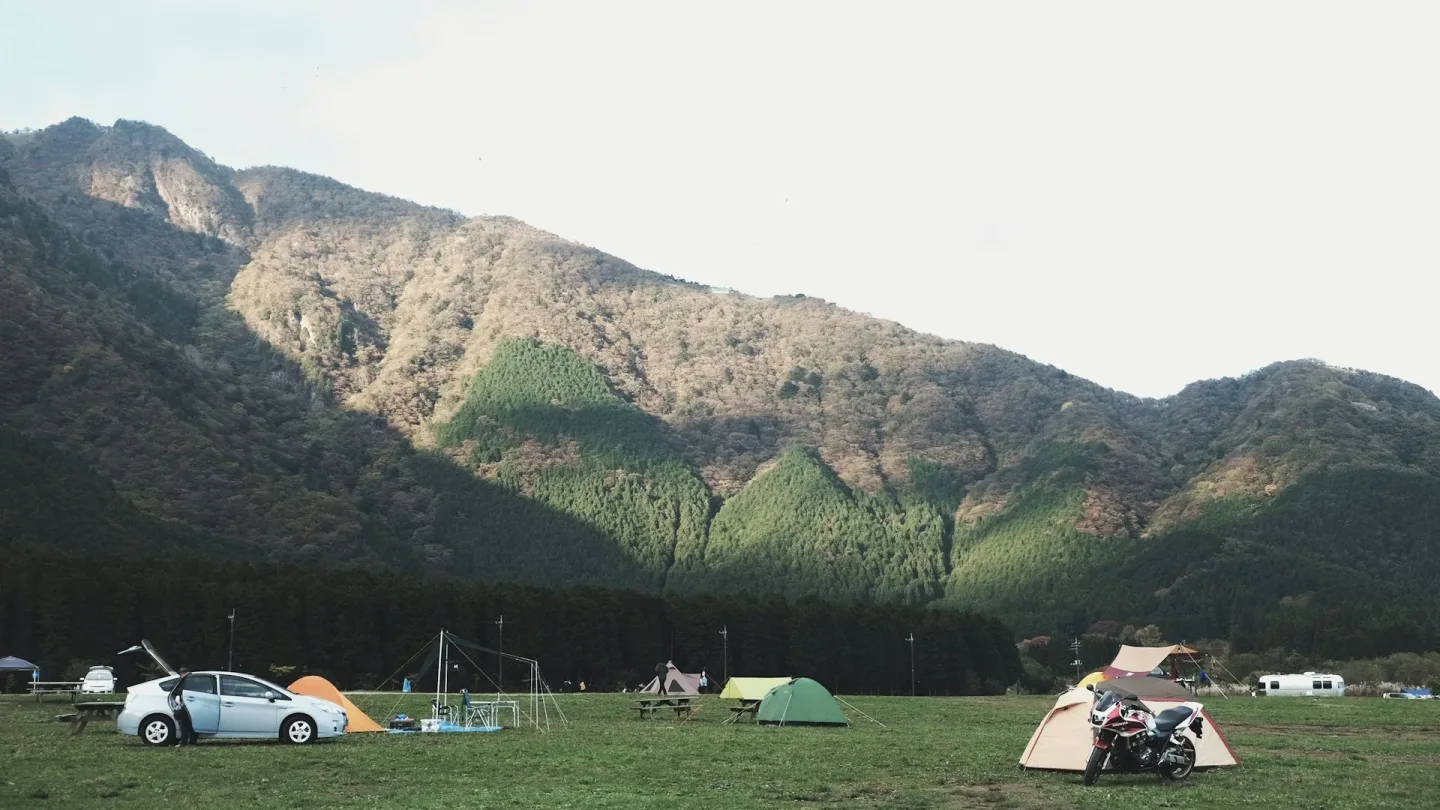
Most car campers use developed campgrounds with designated drive-in sites, fire rings, and sometimes hookups for electricity or water. It's practical, flexible, and great for people who want to enjoy nature without leaving modern comforts completely behind.
What Is Tent Camping?
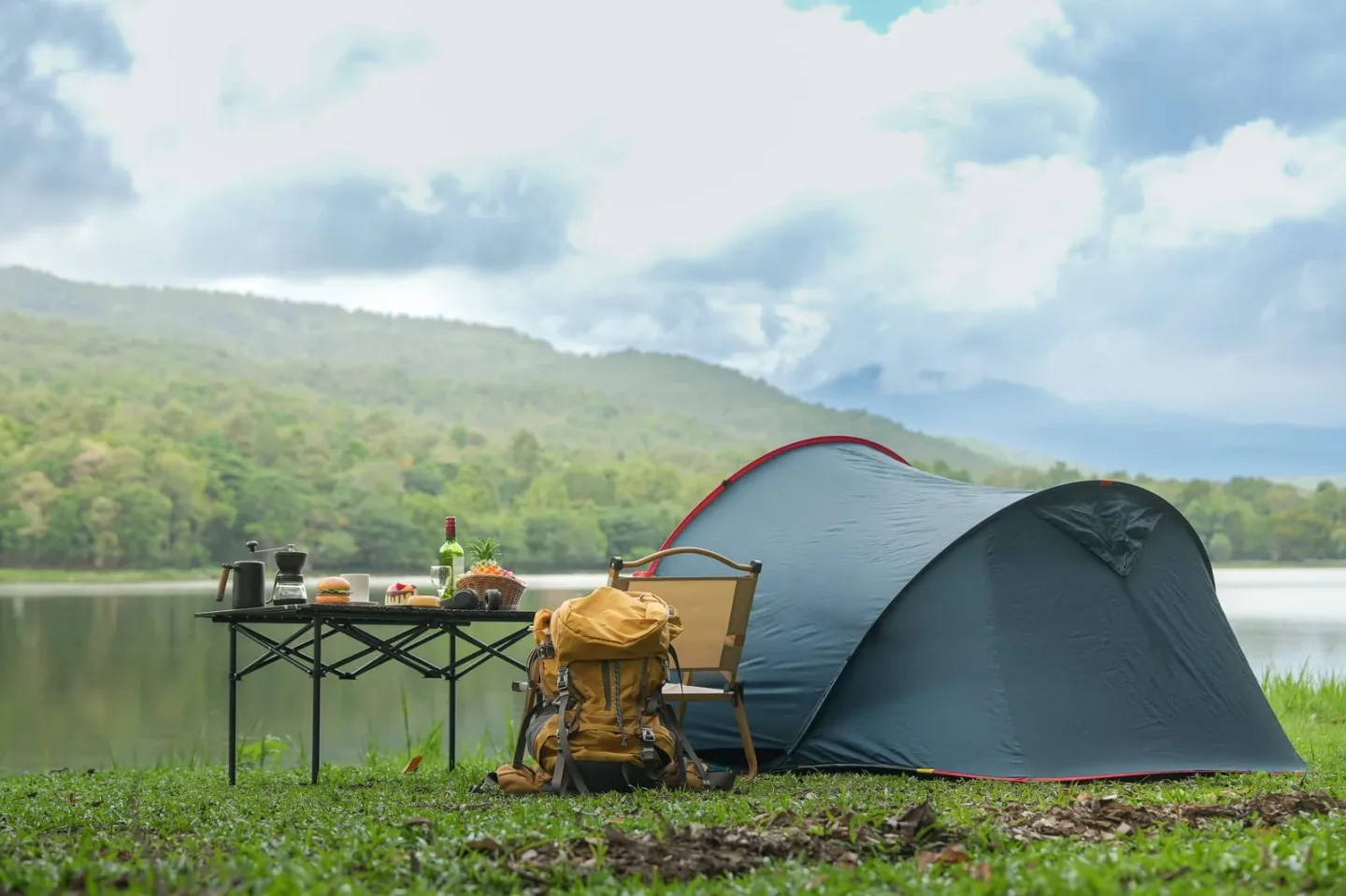
Tent camping is the classic approach: you set up a freestanding tent, unroll your sleeping bag, and spend the night in nature with a few layers of nylon between you and the sky.
Tent camping breaks into two main categories. Frontcountry tent camping happens at established campgrounds, often right alongside car campers. Backcountry tent camping means hiking or paddling into a remote site, carrying everything on your back. Most first-time campers start with frontcountry, while more experienced outdoor enthusiasts eventually explore backcountry sites for the solitude and scenery.
A typical tent camping setup includes the tent itself, a sleeping pad, a sleeping bag, a compact cooking system, and a bag for all your gear. It's lighter, more portable, and often more immersive than car camping.
Car Camping vs Tent Camping: Side-by-Side Comparison
Here's a quick look at how the two styles stack up across the factors that matter most to most campers:
| Factor | Car Camping | Tent Camping |
| Comfort | Higher - more gear, better sleep setup | More rustic, weather-dependent |
| Setup Time | Moderate (drive in, unpack) | Quick for frontcountry, slower for backcountry |
| Cost | Higher upfront (vehicle-based gear) | Lower overall gear cost |
| Weather Protection | Strong - vehicle acts as a backup shelter | Relies entirely on tent quality |
| Cooking Flexibility | High - full cooler, large stoves | Limited by what you can carry |
| Privacy | Depends on the campground layout | Often better in backcountry sites |
| Campsite Options | Drive-in sites only | Any site, including hike-in |
| Best for Beginners | Yes, more forgiving | Yes, if starting frontcountry |
| Wildlife Considerations | Food stored in a car is easier to manage | Requires more careful food hanging |
Neither option is objectively better. Each has genuine strengths depending on what kind of trip you're planning.
When Is Car Camping the Better Choice?
Car camping wins in situations where convenience, comfort, and flexibility matter most. Here's when it makes the most sense:
- Short weekend trips where you want to maximize enjoyment, not optimize your pack weight
- Road trips with multiple campsite stops, since your whole setup moves with you every day
- Unpredictable or cold weather, because your vehicle acts as an emergency shelter if conditions turn
- Families with young kids who need quick access to snacks, dry clothes, and extra gear
- Campers who prefer minimal physical effort in setup and teardown
- First-time campers who want to ease into the experience with the security of a car nearby
The biggest advantage of car and tent camping together (or sleeping in your vehicle) is that you never really have to "rough it" unless you want to. You can bring a full-size cooler, a camp kitchen, folding chairs, solar panels, and as many layers as you like. There's no weight limit.
Car camping also tends to be better in areas with active wildlife. Storing food in a locked vehicle is simpler and more reliable than hanging a bear bag in the dark.
When Is Tent Camping the Better Choice?
The Case for Going Fully Tent-Based
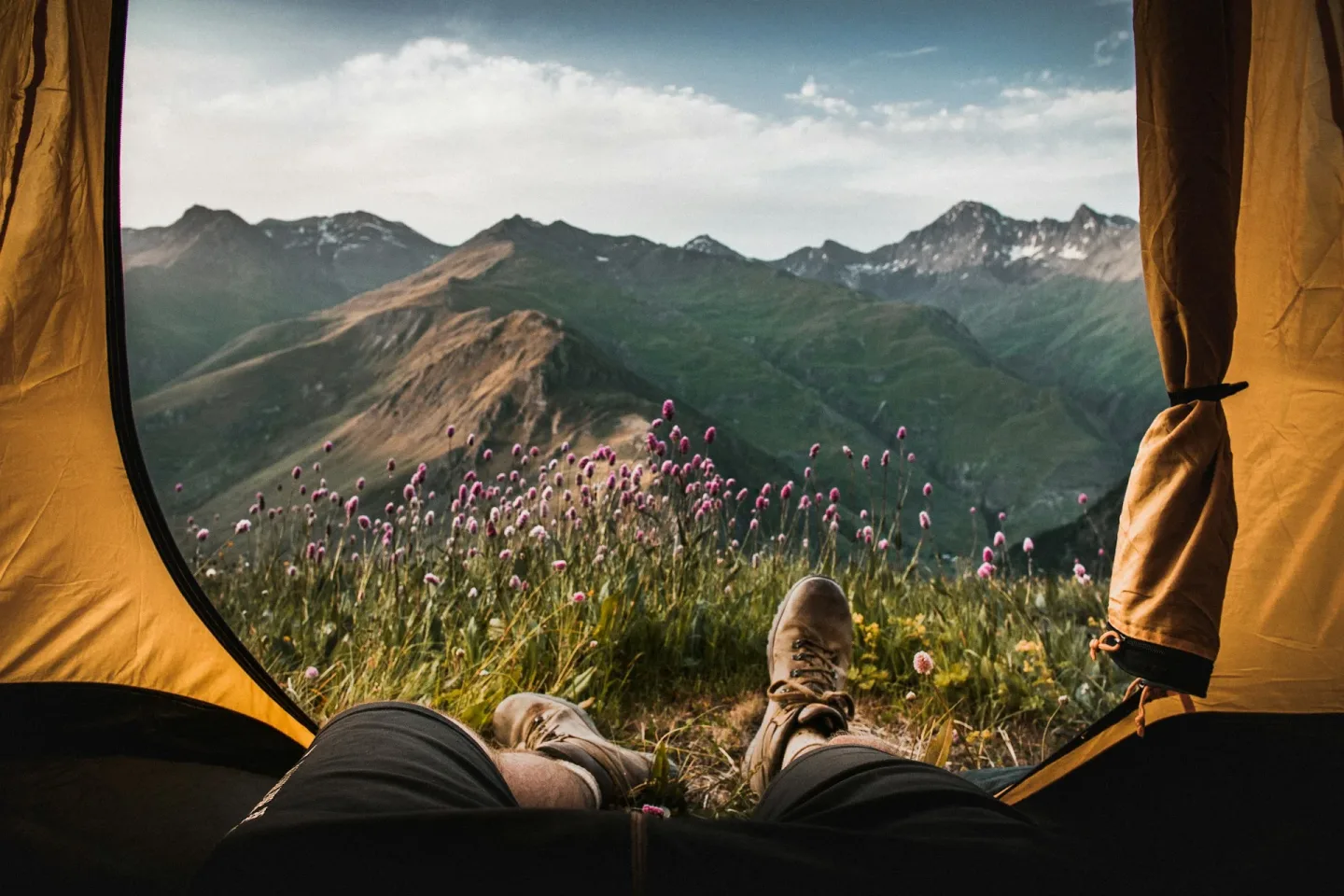
Tent camping is the right call when the destination or the experience itself is the point. If you're heading somewhere with stunning scenery, a hike-in campsite, or a deep-woods vibe that requires some effort to reach, a tent wins every time.
When you're weighing tent camping vs car camping, consider these situations where tent camping shines:
- You want a fully immersive outdoor experience, sleeping right on the ground, hearing every sound, watching the stars without glass in the way
- You're heading to a backcountry site or a campground that doesn't allow vehicles near the sleeping area
- You're in a large group and need multiple sleeping setups spread across a campsite
- You enjoy the ritual of traditional camping: finding flat ground, staking out a footprint, cooking over a small stove
Tent Camping for Budget Travelers and Minimalists
Tent camping also tends to cost less over time. A solid three-season tent, a sleeping bag, and a basic pad can get you started for a few hundred dollars. Car camping often requires more investment upfront, especially if you're modifying a vehicle or buying a rooftop tent.
If you're traveling light or if vehicle interior space is limited, tent camping is simply more practical. A compact backpacking tent fits in a daypack. Your car camping setup does not.
What Are the Real Limitations of Each Camping Style?
Every camping style has tradeoffs. Knowing them upfront saves you a miserable night outdoors.
Car camping limitations to watch for:
- You're restricted to campgrounds with vehicle access, which rules out some of the most scenic, remote sites in national parks and wilderness areas
- Relying on your vehicle means that a dead battery, a flat tire, or a mechanical issue directly affects your trip
- Car campers sometimes end up over-packing, turning a relaxing trip into a hauling exercise
- Drive-in campgrounds can feel crowded and loud, especially on holiday weekends
Tent camping limitations to watch for:
- Weather is unforgiving if you have a cheap or poorly pitched tent. A wet sleeping bag in cold temps is a safety issue, not just a discomfort
- Backcountry tent camping requires navigation skills, proper food storage (often bear canisters), and solid physical fitness
- Setup takes more skill and practice; beginners sometimes struggle in rain or wind
- Less storage means harder choices about what to bring, which can backfire if conditions change
Understanding these risks is part of choosing well. Neither style is "safe" by default; both reward preparation.
How Do You Choose Between Car vs Tent Camping?
There's no universal formula, but these five questions cut through most of the confusion:
- Where is the campsite? If it's drive-in accessible, both styles work. If it's hike-in only, you're tent camping.
- What's the weather forecast? Stormy, cold, or unpredictable conditions favor car camping's built-in backup shelter.
- How long is the trip? Multi-day road trips favor car camping. A single-night backcountry adventure favors a tent.
- Who's coming? Families with kids or older adults often prefer car camping's comfort. Solo travelers and experienced hikers often prefer the simplicity of tent camping.
- What's your goal? Disconnecting and immersing yourself in nature? Tent. Enjoying the outdoors comfortably with a good night's sleep? Car camping.
Many experienced campers don't pick one style permanently. They choose the right tent for the camping style they're planning, then adapt their vehicle setup for car trips and go minimal for backcountry nights. The flexibility is part of the appeal.
There's No Winner in the Car Camping vs Tent Camping Debate
The right camping style is the one that fits your specific trip, not a trend or a purist philosophy.
Car vs tent camping comes down to your destination, your group, the season, your gear budget, and honestly, your personality. Someone who loves the ritual of pitching a tent at dusk and waking up with dew on the rainfly is going to hate sleeping in an SUV. Someone who wants to cook a full breakfast, stay dry in a surprise storm, and sleep on an actual mattress will love their car setup and never look back.
Most experienced campers eventually do both. They take the car for weekend trips with family and pack a lightweight tent for solo hikes or multi-day routes. That combination gives you the best of both worlds: the comfort and practicality of car and tent camping together, plus the freedom and scenery of backcountry nights.
Start with what makes sense for your next trip. Build skills from there. You can always learn to keep your tent clean and well-maintained for tent trips, and invest in better vehicle setups for car camping over time. There's no rush to pick a side permanently.
Frequently Asked Questions
Can you sleep in your car at every campground?
Not always. Many campgrounds allow sleeping in your car, but some require tents or RVs only. Rules vary by park, so always check before booking. National and state parks often have site-specific regulations, while dispersed camping on public land is usually more flexible with vehicle sleeping.
Is car camping allowed in national parks?
Yes, car camping is allowed in most national park drive-in campgrounds. However, sleeping inside your vehicle may be restricted in some parks, and backcountry sites require camping away from your car. Always check official National Park Service guidelines for your specific destination.
Do you need a special vehicle for car camping?
No special vehicle is required. Any car, SUV, truck, minivan, or even sedan can work for car camping with the right setup. Accessories like sleeping platforms, organizers, or rooftop tents can improve comfort, but they are not necessary for getting started.
Can you use a rooftop tent for both car camping and tent camping?
A rooftop tent is primarily a car camping setup because it stays attached to your vehicle. It offers a tent-like experience elevated off the ground but cannot be used independently on hike-in campsites. It combines mobility with comfort but still requires your vehicle to be present.
Which camping style is better if you're traveling with a dog?
Car camping is often more convenient for travelers with dogs because it provides secure storage for food and gear, a familiar sleeping space for pets, and quick access to supplies. However, many dogs also enjoy tent camping. Always ensure your setup keeps your dog safe, comfortable, and protected from weather changes.